
Reviewed · LEBANON DAY TRIPS
New Guided Semi-Private Tour to Jeita Grotto, Harissa & Byblos
Jeita Grotto is the star here: a vast limestone cave system reached by cable car, mini-train, and boat. Add Harissa’s mountain views and Byblos’s old port, Crusader castle, and souk, and you get a full picture of Lebanon’s coast in one long day.
I like the hotel pickup and the small-group format, which save you from sorting out transport between three very different places. I also like the guides’ personal touch. Ali and Harake are repeatedly praised for clear explanations, patience, good driving, and helpful local tips.
The tradeoff is pace. Eight to nine hours covers a lot of ground, but Byblos receives only about an hour and a half of structured sightseeing. Entrance fees, the Harissa cable car, and lunch may also cost extra depending on the option you choose.
Key points to know before booking
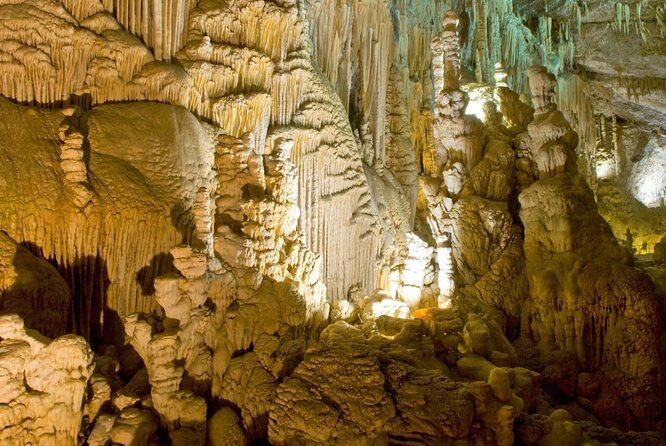
- Jeita Grotto packs in three experiences: a cable car ride, an underground boat journey, and a mini-train.
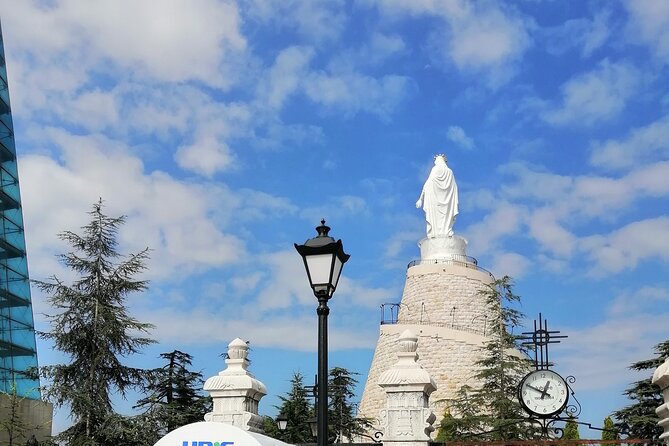
- Harissa gives you the big coastal view: the Virgin Mary statue overlooks Jounieh Bay from the mountain.
- Byblos mixes ancient ruins with a living town: you walk from the port toward the castle and old souk.
- Ali and Harake are the guides to hope for: both are praised for warmth, clear explanations, and steady time management.
- The maximum group size is 15: small enough to keep the day manageable without paying for a private tour.
- Optional extras matter: choose carefully if you want entrance fees, the cable car, and seaside lunch included.
Why this Beirut day trip works
If you have limited time in Lebanon, this tour gives you three strong sights without asking you to plan the transport yourself. You leave Beirut in the morning, travel north toward Jeita and Jounieh, then continue to Byblos before returning to the city.
The route has a useful rhythm. Jeita is mostly about nature, Harissa is about views and a religious landmark, and Byblos brings archaeology, medieval stonework, shopping, and food. You are not spending the whole day looking at similar ruins.
The air-conditioned vehicle matters, especially on a long day with several stops. Your guide also handles the road connections and timing. Several details in the experience suggest that guides such as Ali and Harake do more than drive: they explain the sites, answer questions, stop for photographs when possible, and offer practical suggestions for the rest of your time in Lebanon.
This is not a slow, specialist archaeology tour. It is a broad introduction to three of the country’s best-known northern sights. You will see a lot, but you will need to accept some time limits.
More Lebanese day trips from Beirut:
- Guided Small-Group Tour to Baalbek, Anjar and Ksara with Lunch
★ 5.0 · 511 reviews - Guided Small-Group Tour to Jeita, Harissa, Byblos with Lunch
★ 5.0 · 361 reviews - Jeita Grotto,Harissa&Byblos Full-Day PRIVATE-CAR Trip from Beirut
★ 5.0 · 222 reviews
Jeita Grotto: the day’s main event
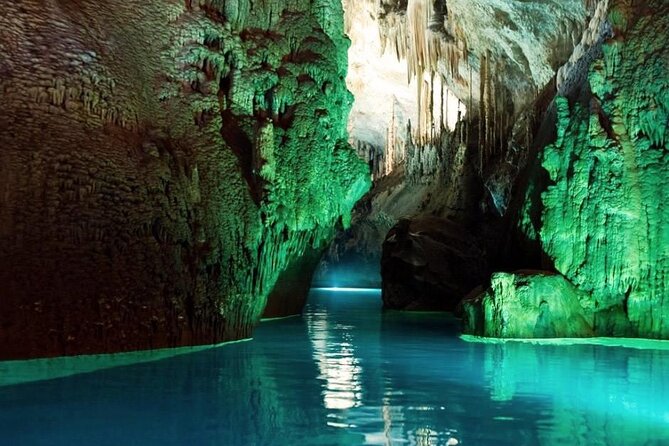
The first stop is Jeita Grotto, about a 1 hour and 15 minute visit according to the planned schedule. The grotto is a system of two connected limestone caves with a total length of nearly 10 kilometers, though your visit covers only the sections open to the public.
The attraction is physical and theatrical in the best sense. You approach the upper cave by cable car, then use a mini-train as part of the site experience. Inside, enormous formations of limestone rise and hang around the passageways. The lower cave is explored by boat, when operating conditions allow.
A guide can make a real difference here. The formations are easy to admire, but explanations help you notice shapes and details you might otherwise walk past. Harake, in particular, is praised for pointing out features inside the grotto and explaining the site clearly.
Do not expect a leisurely hour and a quarter with unlimited freedom. Jeita has several linked parts, and the order of the cable car, train, walking route, and boat depends on site operations. The boat and cable car also require separate tickets unless you select the option that includes them.
Photography may be limited in parts of the grotto. You should be ready to put the camera away and pay attention to the scale of the caves. This is one of those places where the experience works best when you look up, slow down, and let your eyes adjust.
The early start is helpful. You reach Jeita before the day’s full schedule has taken its toll, and you still have Harissa and Byblos ahead. If you have breakfast before pickup, keep it light. One person praised the simple pleasure of eating a traditional Lebanese bakery breakfast on the drive, though that breakfast is not listed as an included part of the tour.
Harissa and the Virgin Mary statue
From Jeita, the vehicle climbs toward Harissa. The stop at the Shrine of Our Lady of Lebanon lasts about 30 minutes and has no listed admission fee.
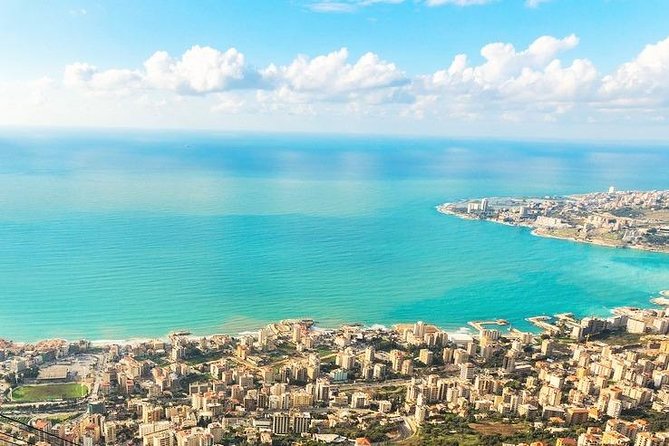
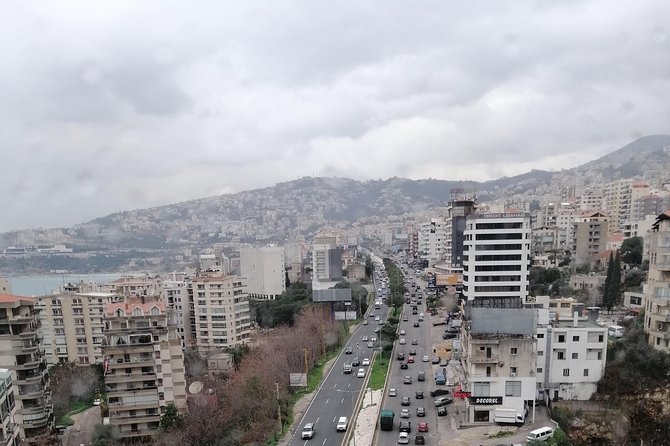
The shrine is marked by a large Virgin Mary statue and a wide view over Jounieh Bay. This is the stop where you should have your camera ready. The road through the mountain offers changing views, and the height gives you a clear sense of how the coast and hills fit together.
Thirty minutes is enough for the statue, the view, and a short explanation, but not for a long visit. The tour is designed to give you a strong first impression rather than a detailed study of the shrine.
Your guide’s role is useful here because the stop connects geography, religion, and daily life in Lebanon. Ali is praised for explaining both history and culture at each site, while Harake receives similar praise for answering questions and keeping the day on schedule.
The Harissa cable car ride to Jounieh
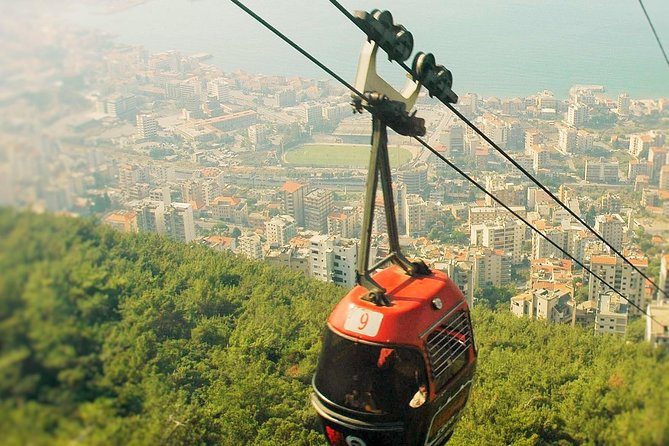
The Téléferique from Harissa to Jounieh is scheduled for about 20 minutes. This is one of the most memorable transitions of the day because the ride itself becomes part of the sightseeing.
From the cable car, you get a high view toward Jounieh Bay and the coast. The ride is short, so keep your camera accessible and look in both directions. One of the strongest details connected with this tour is the repeated praise for the cable-car views.
The cable car is an optional cost unless you book a package that includes the one-way ticket. It may also be closed at times. When that happens, the tour continues by vehicle, so the itinerary does not depend entirely on the ride operating.
That flexibility is practical, but it means you should not treat the cable car as guaranteed. If the ride is important to you, confirm the current operating status before booking or shortly before departure. The driver waits in Jounieh and takes you onward to Byblos.
Same base, a different sort of day:
- Paragliding Trip Over Lebanon – Jounieh Bay
★ 5.0 · 257 reviews - First Paragliding Club in Lebanon – Since 1992
★ 5.0 · 193 reviews - Anjar, Baalbek & Ksara Day Trip – With Lunch (4G on Board)
★ 4.5 · 181 reviews - Jeita Grotto – Harissa – Byblos Trip
★ 5.0 · 169 reviews
Byblos port and the first look at an ancient city
Byblos is one of the oldest continuously inhabited cities in the world, and the tour gives you roughly an hour and a half in the area. The walk begins near the port, where the town feels more open and relaxed than a purely archaeological site.
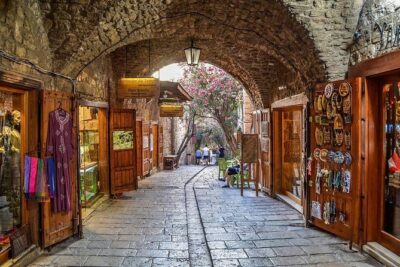
The route leads toward the castle and the old souk. You get a useful mix of waterfront views, old walls, archaeological remains, shops, cafés, and narrow lanes. This is a good place to understand that Byblos is not simply a museum. It is an active town built around layers of the past.
The port section itself is listed as a brief stop, around 15 minutes, with admission included. That sounds short, but it works as an orientation. You can see the shape of the town, take photographs, and follow the guide toward the more substantial historical stops.
The main limitation is time. Byblos rewards wandering, but this tour gives you a guided introduction rather than an afternoon to explore every lane. If you already know you want long café breaks, extended shopping, or careful archaeological study, a private or Byblos-focused trip would give you more freedom.
Byblos Castle and the ruins around it
The Crusader castle is scheduled for about 45 minutes, with admission not included unless your booking option covers it. It is known historically as the castle of Gibelet and was built in the 12th century from local limestone and pieces of earlier Roman structures.
The castle’s story is unusually eventful. Saladin captured Byblos and the castle in 1188, and the fortifications were later rebuilt by the Crusaders. The structure belonged to the Genoese Embriaco family, whose members ruled Gibelet, and it later faced an attack from Cypriot vessels in 1369.
You can also see how the castle sits beside older Phoenician remains, including the area associated with the Temple of Baalat Gebal and the Temple of the Obelisks. The appeal is not one perfect building. It is the collision of Phoenician, Roman, Crusader, and later layers in one compact area.
The castle is worth paying for if you care about history and views. Its walls help you read the site from above, while the surrounding ruins give context to Byblos’s long past. If you skip the paid entry, you still have the port, souk, and exterior views, but you lose the strongest historical part of the Byblos visit.
Wear shoes suitable for uneven old paving and stone surfaces. The tour data does not promise a fully accessible route, and the castle area is an old archaeological site rather than a modern attraction.
The old souk: Byblos at street level
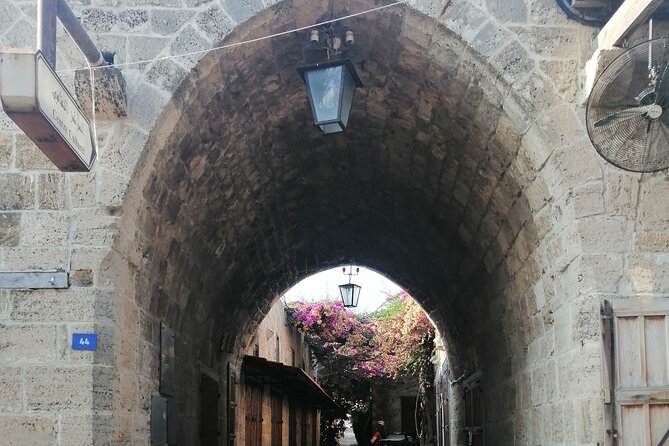
After the castle, you enter the old souk for about 30 minutes. This is where the day becomes less formal and more local. Small shops sell souvenirs, antiques, crafts, and other goods, while cafés and bars line parts of the walk.
The souk is relatively compact, which suits the tour’s short schedule. You can explore the lanes without getting far from the meeting point. Look closely at the walls and half-ruined structures. Medieval sections overlap with later properties, giving the area an uneven, layered character.
I like this stop because it balances the caves and monuments. You are not just being moved from one famous site to another. You also get time to see how an old town functions now, with shops, drinks, and people using the same lanes that have served the settlement for centuries.
Thirty minutes is enough for a walk and a few purchases, but not for serious shopping. If you see something you want, do not assume you will have time to return later. Keep the guide’s meeting instructions in mind, especially if the group is moving on to lunch.
Lunch by the Byblos waterfront
Lunch is offered as an option at a traditional restaurant by the sea in Byblos. It is not automatically included in every price choice, so check the exact package before you pay.
This meal can be a welcome pause after the grotto and walking stops. Lebanese Mediterranean food also gives the day a local flavor rather than turning lunch into a generic stop along the road. One person specifically praised the food in Byblos, while another enjoyed the traditional bakery breakfast taken during the drive.
The practical question is value. If you want the simplest day, adding lunch means one less decision and keeps the group together. If you prefer to choose your own restaurant or control the cost, select the option without lunch and ask the operator how much free time is available.
The schedule allows about an hour for the meal. That is enough for a proper break, but it does not leave room for a long, unhurried restaurant experience if the day is running late.
Guides, vehicle, and group size
The tour begins with pickup around 8:15 to 8:30 in the morning and returns you to your Beirut location after lunch. Pickup and drop-off are included, which is a major part of the tour’s value. You do not need to arrange separate taxis for Jeita, Harissa, and Byblos.
The vehicle is air-conditioned, and the maximum group size is 15. That is not a private outing, but it is small enough for questions and a more personal feel than a large coach.
Ali and Harake are the names most associated with the guiding on this experience. The strongest praise centers on their patience, politeness, clear explanations, careful driving, and ability to manage time. One useful sign of flexibility is that the company continued with a booking even when only one person was scheduled for the day.
The experience is led by an English-speaking local group leader. If you need another language, confirm availability before booking rather than assuming it will be offered.
Is the $55 price good value?
At $55 per person, the tour is priced as a practical way to see three major northern sights from Beirut. The value is strongest when you place a high price on transport, route planning, and a guide who can explain what you are seeing.
The headline price needs a careful reading. Entrance fees are not always included. The Harissa cable-car ticket may be extra, and lunch at the Byblos seaside restaurant is also an optional addition. If you want a single all-in cost, choose the package that includes the entrance fees and one-way cable-car ticket, then confirm what remains outside the price.
For a small group with hotel pickup, an air-conditioned vehicle, a local English-speaking guide, and a full day of sightseeing, the basic rate is appealing. The tour is less attractive if you dislike add-on costs or want full control over your schedule.
You can cancel for a full refund up to 24 hours before the start time. Changes or cancellations within 24 hours are not refunded, and the experience requires a minimum number of participants. If that minimum is not reached, you are offered another date, another experience, or a full refund.
Who should book this tour?
I would choose this for a first visit to Lebanon when I wanted a broad introduction without renting a car or working out three separate journeys. It suits couples, solo visitors, and small groups who value a guide and prefer a planned day.
It is also a good choice if you want nature, views, history, and food in one outing. Jeita provides the visual surprise, Harissa gives you the coast from above, and Byblos supplies the old streets and historical setting.
I would hesitate if you want to spend half a day inside Jeita, linger over lunch, or study Byblos at a slow pace. The schedule is full, and the return drive to Beirut leaves little room for delays or extended independent wandering.
Should you book it?
Book this tour if you want the efficient version of northern Lebanon, with hotel pickup, a small group, and a guide such as Ali or Harake handling the details. The combination of Jeita’s caves, Harissa’s cable-car views, and Byblos’s castle and souk gives you an unusually varied day for the price.
Before booking, check three things: which entrance fees are included, whether the cable car is part of your chosen option, and if lunch is included or extra. If you are comfortable with that structure and a fairly brisk pace, this is a strong one-day introduction to the coast north of Beirut.
FAQ
How long does the tour last?
The tour lasts approximately 8 to 9 hours, starting in the morning and returning you to your Beirut location after lunch.
Is hotel pickup included?
Yes. Hotel pickup and drop-off are included, with pickup scheduled around 8:15 to 8:30 in the morning.
Are entrance fees and the Harissa cable car included?
They can be included as an optional booking choice. Check the package carefully, because the standard details list Jeita admission and the cable-car ticket as not included unless you select the appropriate option.
Is lunch included?
Lunch is optional. You can book a meal at a traditional restaurant beside the sea in Byblos, but it may cost extra depending on your selected package.
How many people can join the tour?
The maximum group size is 15 people.
What happens if the cable car is closed?
The tour continues by vehicle if the Harissa cable car is closed. The driver takes you onward to Byblos.
Just added in Beirut
- Semi-Private Tour to Jeita Grotto, Harissa & Byblos with Lunch★ 5.0 · 52 reviews
- Guided Small-Group Tour to Qadisha, Bcharee & Cedars with Lunch★ 5.0 · 39 reviews
- Small Group Tours to Baalbek, Anjar & Chateau Ksara with lunch and Tickets★ 5.0 · 29 reviews
- Sidon, Tyre & Maghdouche Day Trip – With Lunch (4G on Board)★ 4.5 · 44 reviews
- Paragliding activity in Lebanon★ 5.0 · 33 reviews
- Jeita Grotto, Byblos and Harissa Full-Day Tour from Beirut★ 5.0 · 23 reviews
- PRIVATE city Tour of authentic Tripoli and vibrant Batroun★ 5.0 · 51 reviews
- Paragliding Trip Over Lebanon – Jounieh Bay★ 5.0 · 257 reviews
Lebanon Day Trips, compared.

Guided Small-Group Tour to Baalbek, Anjar and Ksara with Lunch
Read our review →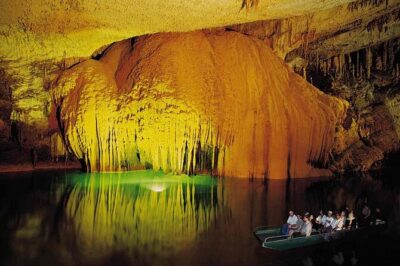
Guided Small-Group Tour to Jeita, Harissa, Byblos with Lunch
Read our review →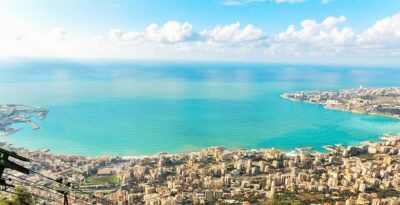
Jeita Grotto,Harissa&Byblos Full-Day PRIVATE-CAR Trip from Beirut
Read our review →
Anjar, Baalbek & Ksara Day Trip – With Lunch (4G on Board)
Read our review →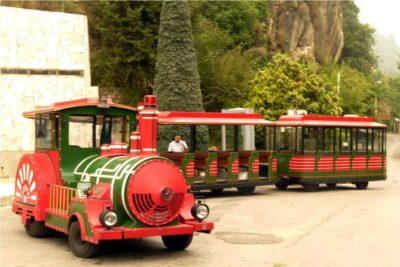
Byblos, Jeita Grotto & Harissa Day Trip -With Lunch (4G on Board)
Read our review →
Private Anjar and Baalbek Tour from Beirut with Departure Ticket
Read our review →Browse the lists this tour appears in