
Reviewed · TOURS IN BEIRUT
Guided Small-Group Tour to Qadisha, Bcharee & Cedars with Lunch
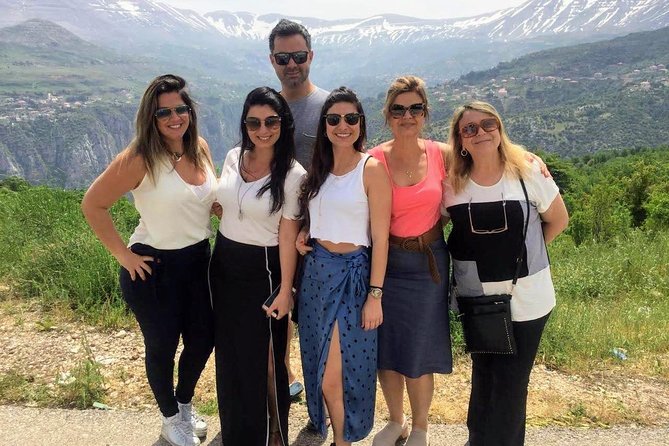
Qadisha Valley gives this day its real force: caves, monasteries, terraces, and pine-covered hills gather in one of Lebanon’s most striking mountain regions. You also get Bcharre, the Gibran Museum, the Cedars of God, and Deir Qozhaya without having to arrange several separate journeys.
I like the small group of no more than 15, which keeps the minibus more personal than a big coach. I also like the way the tour connects nature with culture, from cedar trees cited many times in the Bible to Kahlil Gibran’s art and the long monastic tradition of Qadisha.
The main drawback is the schedule. Nine hours is a long day, and some stops last only 30 or 45 minutes. The Gibran Museum also costs extra, so you should decide in advance if you want to pay for that visit.
Key points at a glance
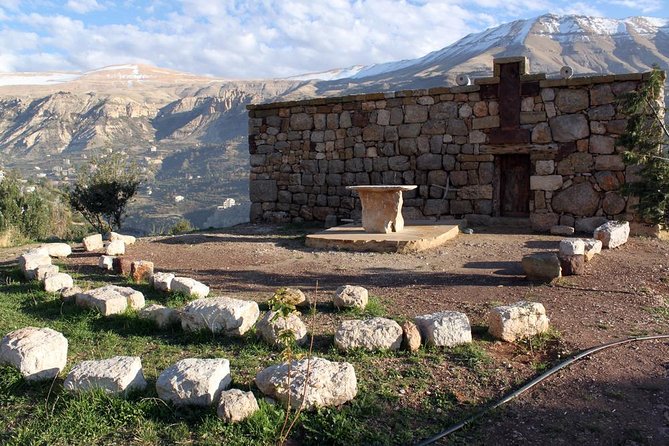
- Qadisha Valley combines cliffs, caves, monasteries, and cultivated terraces in one memorable mountain setting.
- Bcharre is linked to both Kahlil Gibran and Lebanon’s cedar heritage, with churches, a museum, and the Cedars Ski Resort nearby.
- The Cedars of God preserve 375 trees, among the last surviving parts of Lebanon’s ancient cedar forests.
- Deir Qozhaya reaches back to the fourth century, with hermits, fires, rebuilding, and surviving traces from the seventh century.
- Lunch, hotel pickup, and drop-off are included, making the $65 price useful for a full day outside Beirut.
- Guides such as Mike and Georgette bring different strengths, with the tour covering religious, artistic, and national history.
Why this northern Lebanon day is worth your time
This is not simply a mountain sightseeing trip. It is a compact introduction to several forces that shaped Lebanon: early Christianity, cedar forests, village life, Lebanese literature, and the country’s mountain resorts.
From Beirut, the practical value is clear. You do not need to find your own driver, work out the route, or fit four major stops into one day. Hotel pickup and drop-off are included, as is transportation in a private, air-conditioned minibus. Lunch is also part of the price, so the $65 fee covers much more than admission to individual sights.
The tour has a 4.9 rating from 39 reviews, with 97 percent recommending it. That strong response makes sense when you consider what is packed into the day, but you should still know what kind of outing this is. It is a broad survey, not a slow walking tour. You will see several important places, hear their stories, and enjoy the mountain scenery, but you will not have hours at each stop.
The group limit of 15 matters. A small minibus is easier for a guide to manage, and you are less likely to feel lost in a crowd at a monastery or forest. Pickup begins at 8:30 a.m., and the experience lasts about nine hours, so plan on giving it most of your day.
Other trips people book in Beirut:
- Guided Small-Group Tour to Baalbek, Anjar and Ksara with Lunch
★ 5.0 · 511 reviews - Guided Small-Group Tour to Jeita, Harissa, Byblos with Lunch
★ 5.0 · 361 reviews - Paragliding Trip Over Lebanon – Jounieh Bay
★ 5.0 · 257 reviews
Qadisha Valley, where the scenery tells the story
Qadisha Valley is the setting that makes this trip special. The valley contains caves, monasteries, and cultivated terraces linked to an early phase of Christian life. Many monasteries are very old, and their position in the rugged hills helps explain why hermits and religious communities came here.
You should pay attention to the relationship between the buildings and the terrain. This is not a collection of grand monuments placed on an easy route. The religious sites are tied to cliffs, caves, wooded hills, and narrow mountain spaces. The setting is part of the story.
The valley also gives you a useful historical frame for the later visit to Deir Qozhaya. Instead of seeing one monastery as an isolated church, you can understand it as part of a much wider tradition of people seeking solitude and holiness in the mountains.
The tradeoff is time. The Qadisha portion is presented as a scenic and historical experience rather than a long hike through the valley. If you want a strenuous trek or an extended visit to several monasteries, this day will feel too brief. If you want a clear introduction without organizing a mountain expedition, it works well.
Bcharre, churches, skiing, and Kahlil Gibran
Bcharre adds a human and artistic side to the day. The town is known as the birthplace of Kahlil Gibran, the Lebanese poet, painter, and sculptor. It is also sometimes called the city of churches, with about 37 churches in the town.
That combination gives Bcharre more range than a quick mountain stop. You are not seeing only a resort town or a gateway to the cedars. You are visiting a place tied to Lebanon’s religious identity and one of its best-known artistic figures.
Bcharre also has an important place in Lebanese skiing. The Cedars Ski Resort is described as the country’s oldest skiing area, and Lebanon’s first ski lift was built here in 1953. You may not come for winter sports, but this detail helps explain how the town became known as a mountain destination in more than one season.
The scheduled stop is about 30 minutes and admission is free. That is enough to get a feel for the town and hear its story, but not enough for an unhurried exploration of its churches or streets. I would treat Bcharre as a lively introduction to the area, with the Gibran Museum providing the more focused cultural visit.
The Gibran Museum and an optional artistic pause
The Gibran Museum occupies the former Monastery of Mar Sarkis. It is dedicated to Kahlil Gibran and was founded in 1935. Its collection includes 440 original paintings and drawings, along with his tomb, furniture, studio belongings from his years in New York City, and private manuscripts.
This is one of the day’s most distinctive stops because it connects a mountain town to an international literary and artistic career. The museum is not just a name attached to Bcharre. It offers objects and works linked directly to Gibran’s life.
The visit lasts about 30 minutes. Admission is not included, so you will need to pay separately if you choose to enter. That extra charge is a small but important detail when comparing the tour’s advertised value.
I would recommend the museum most strongly if you already know Gibran’s work or enjoy small biographical museums. If your main interest is scenery and monastic history, you may prefer to keep your attention on the valley and cedars. The schedule does not leave much room for long optional visits, so it helps to decide quickly.
One guide named on this experience, Mike, is described as especially strong at explaining the sites and their meaning. Another guide, Georgette, is noted for her energy and for covering the historical and religious subjects that shaped Lebanon. The exact guide can vary, but the tour clearly depends on having someone connect these separate stops into one story.
Same base, a different sort of day:
- Jeita Grotto,Harissa&Byblos Full-Day PRIVATE-CAR Trip from Beirut
★ 5.0 · 222 reviews - First Paragliding Club in Lebanon – Since 1992
★ 5.0 · 193 reviews - Anjar, Baalbek & Ksara Day Trip – With Lunch (4G on Board)
★ 4.5 · 181 reviews - Jeita Grotto – Harissa – Byblos Trip
★ 5.0 · 169 reviews
Cedars of God, Lebanon’s national tree in its oldest setting
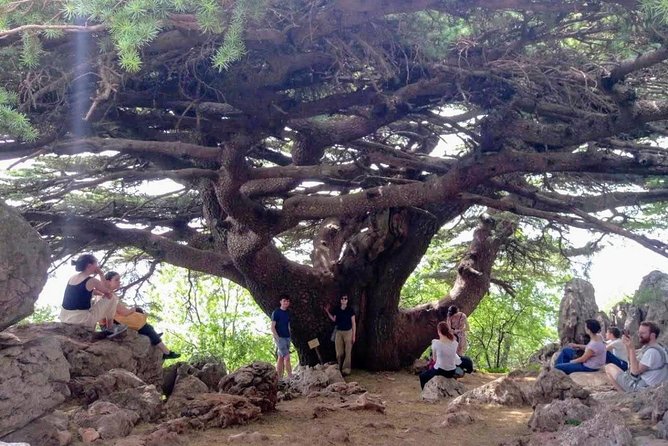
The Cedars of God is likely to be the emotional high point for many people. The forest contains 375 trees and preserves one of the last remaining parts of Lebanon’s ancient cedar forests. The cedar is the national symbol, appears on the Lebanese flag, and was prized in ancient times as a building material.
The tree’s importance is also tied to religion. The cedar is cited 103 times in the Bible, and its wood was valued for major religious buildings. That gives the forest meaning beyond its size. You are looking at a living symbol of Lebanon, not simply a pleasant stand of trees.
The stop lasts about 45 minutes, with admission included. That is a sensible length for walking among the trees and taking in the setting, though anyone hoping for a long forest hike should keep expectations modest.
I like this part of the route because it brings national identity into physical view. The flag on a building or passport can feel abstract. Here, the symbol is right in front of you, with a long connection to the country’s religious and building traditions.
The cedar forest also pairs well with the earlier discussion of Qadisha. The day moves between natural places and the human communities that depended on them. You see why the mountains mattered, why the valleys attracted hermits, and why the cedar remains such a powerful national image.
Deir Qozhaya and the long life of a mountain monastery
Deir Qozhaya, also known as the Monastery of Saint Anthony the Great, sits about 950 meters above sea level in the Qozhaya Valley. Pine and oak cover the surrounding hills, while fruit trees grow along the valley. The setting connects with the wider Qadisha Valley and its tradition of hermit life.
The monastery may have been first built and occupied by hermits in the early fourth century. It was looted, burned, and destroyed several times, yet traces from the seventh century remain. Those facts make the visit feel grounded in real human persistence rather than a polished monument frozen in time.
You have about 45 minutes here, and admission is free. That is enough to see the monastery and absorb its position in the valley, though the history is much larger than the time available. Listen closely to the guide, since the short stop depends on explanation to bring the site alive.
This is also where the day’s religious thread becomes clearest. Qadisha is not only beautiful mountain scenery. It is a place shaped by people who built, rebuilt, prayed, worked, and stayed in difficult terrain for centuries.
Lunch and transport make the $65 price practical
At $65 per person, the tour offers solid value for a full day from Beirut. Hotel pickup and drop-off, an air-conditioned vehicle, a professional guide, lunch, and several major stops are included. The Gibran Museum ticket is the main stated extra cost.
The lunch matters more than it may seem. A nine-hour mountain outing leaves little time to search for a restaurant, compare menus, or worry about losing part of the schedule. The included meal keeps the day moving and lets you focus on the sights.
The private minibus is another practical advantage. Northern Lebanon involves a full day on the road, and climate-controlled transport is far more comfortable than trying to combine several public connections. The group cap of 15 keeps the format smaller, though you should not expect a private tour unless your booking happens to be very small.
The value is strongest for someone staying in Beirut who wants a straightforward day outside the capital. It is less compelling for a visitor with a rental car, lots of time, and a strong desire to stop wherever the mood takes them. A guided day trades flexibility for ease and context.
Who will enjoy this tour most
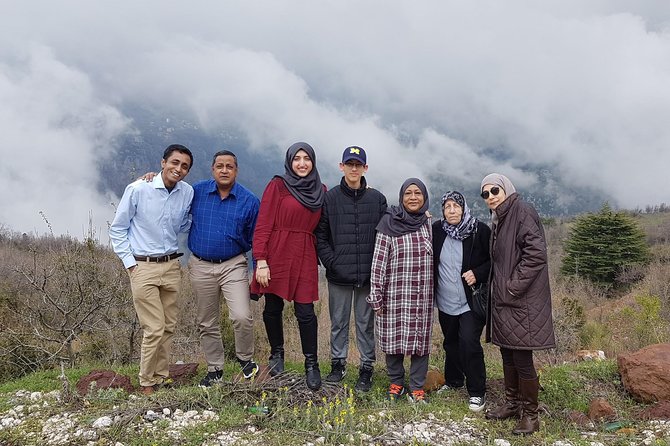
I would choose this trip if you want to see northern Lebanon’s major highlights in one outing and prefer having the route handled for you. It suits people interested in religious history, forests, mountain towns, literature, and scenic drives rather than one single subject.
It is also a good choice if you want a small-group setting but do not need a private guide. The presence of guides such as Mike or Georgette can add useful context, especially at places where the buildings and scenery do not explain themselves.
You should think twice if you dislike early starts, long touring days, or short visits. The schedule covers a lot of ground. The most satisfying approach is to accept that you are sampling the region, not seeing every church, trail, manuscript, or monastery room.
Most people can participate, according to the tour information. Pickup is offered, and confirmation is provided when you book. Free cancellation is available up to 24 hours before the start time, while cancellations or changes made later are not refunded.
Should you book the Qadisha and Cedars tour?
Book it if you want an efficient, well-rounded day from Beirut that combines Qadisha Valley, Bcharre, the Cedars of God, and Deir Qozhaya. The included lunch and transfers make the $65 price sensible, and the small group keeps the experience more manageable than a large coach excursion.
If you have room in your schedule, consider paying for the Gibran Museum. It adds a strong artistic counterpoint to the religious and natural sites, especially if you are familiar with Gibran’s writing.
Skip it only if you need a slow pace or plan to spend several days exploring the north independently. For most people seeking a practical first look at Lebanon’s mountain heritage, this is a well-chosen day out.
FAQ
Where does the tour begin?
The tour begins in Beirut with hotel pickup. The stated start time is 8:30 a.m.
How long does the experience last?
The tour lasts approximately nine hours.
What places are included in the route?
The route includes Qadisha Valley, Bcharre, the Gibran Museum, the Cedars of God, and Deir Qozhaya.
Is lunch included?
Yes. A fresh Lebanese lunch is included in the tour price.
Is hotel drop-off included?
Yes. Hotel pickup and drop-off are included.
How large is the group?
The group has a maximum of 15 travelers.
Is admission to the Gibran Museum included?
No. Admission to the Gibran Museum is not included.
Can most people take part in the tour?
Yes. The tour information states that most travelers can participate.
What is the cancellation policy?
You can cancel up to 24 hours before the experience starts for a full refund. Cancellations or changes made less than 24 hours before the start time are not accepted for a refund.
Just added in Beirut
- Semi-Private Tour to Jeita Grotto, Harissa & Byblos with Lunch★ 5.0 · 52 reviews
- Small Group Tours to Baalbek, Anjar & Chateau Ksara with lunch and Tickets★ 5.0 · 29 reviews
- Sidon, Tyre & Maghdouche Day Trip – With Lunch (4G on Board)★ 4.5 · 44 reviews
- Paragliding activity in Lebanon★ 5.0 · 33 reviews
- Jeita Grotto, Byblos and Harissa Full-Day Tour from Beirut★ 5.0 · 23 reviews
- PRIVATE city Tour of authentic Tripoli and vibrant Batroun★ 5.0 · 51 reviews
- Paragliding Trip Over Lebanon – Jounieh Bay★ 5.0 · 257 reviews
- Sidon – Tyre – Maghdouche Trip, From Beirut★ 5.0 · 25 reviews
Tours in Beirut, compared.
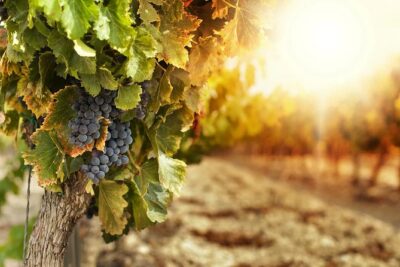
Guided Small-Group Tour to Baalbek, Anjar and Ksara with Lunch
Read our review →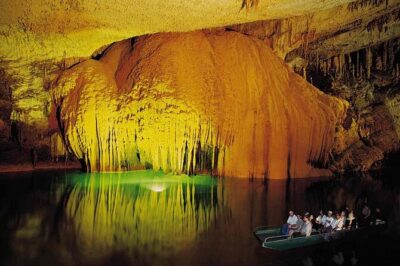
Guided Small-Group Tour to Jeita, Harissa, Byblos with Lunch
Read our review →
Jeita Grotto,Harissa&Byblos Full-Day PRIVATE-CAR Trip from Beirut
Read our review →
Anjar, Baalbek & Ksara Day Trip – With Lunch (4G on Board)
Read our review →
Byblos, Jeita Grotto & Harissa Day Trip -With Lunch (4G on Board)
Read our review →Browse the lists this tour appears in