
Reviewed · LEBANON DAY TRIPS
Guided Small-Group Tour to Baalbek, Anjar and Ksara with Lunch
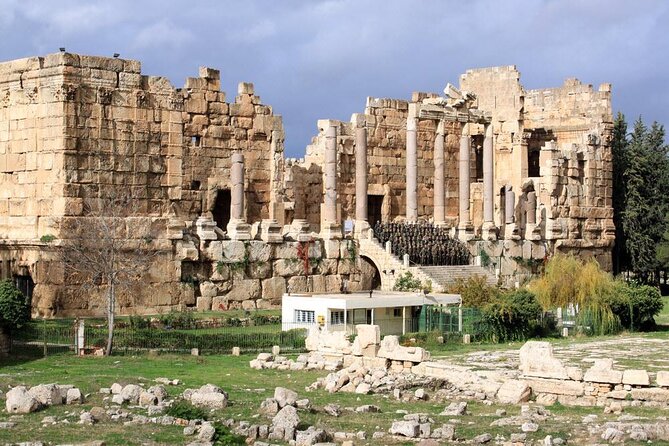
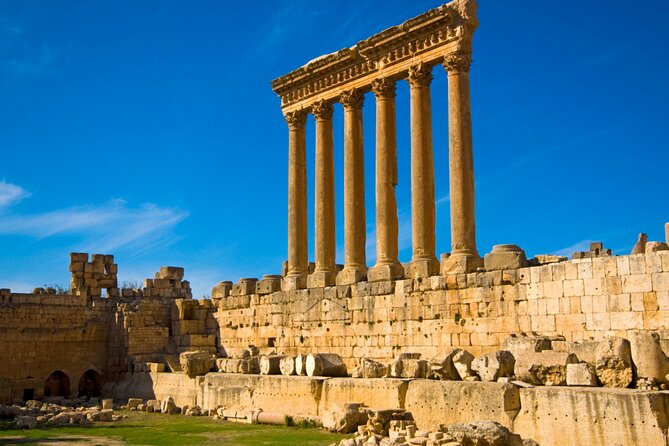
Baalbek is the star here: a huge Roman sanctuary where the Temple of Bacchus remains remarkably complete and the broken columns of the Temple of Jupiter show the scale of ancient imperial building. I like that you reach it without renting a car, and I like the mix of Roman ruins, an Umayyad city, wine, and Lebanese food in one long day. The main drawback is the pace: nine hours covers a lot of ground, and summer heat can make the outdoor ruins tiring.
I also like the small-group limit of 15 and the use of local site guides, including archaeologists at Baalbek and Anjar when available. Guides such as Albert, Hassan, Hassane, Mariana, and Alfred have been praised for clear explanations, humor, patience with photos, and smooth timing. Check the extra costs, though: entrance fees are not listed as included at the archaeological sites, and wine tasting at Ksara may cost more.
Key points before you book
- Baalbek gets the proper amount of time: plan on about three hours around one of Lebanon’s great Roman sanctuaries.
- Anjar adds a different era: its tidy Umayyad street plan and palace ruins feel very different from Baalbek.
- Lunch is part of the day: you get a Lebanese meal at a local restaurant rather than arranging food on your own.
- Chateau Ksara is a change of pace: the winery visit lasts about an hour and may include tasting at an extra charge.
- Pickup is simple: the tour begins around 8:30 am and includes round-trip transfers from central Beirut hotels.
- The group stays small: no more than 15 people, with an air-conditioned vehicle and a tour leader.
Why Baalbek makes this day worth taking
If you have only one day for Lebanon’s Bekaa Valley, Baalbek is the reason to go. The sanctuary sits at about 1,150 meters near the Anti-Lebanon range, and its scale is startling even before you know the details. The site was once Heliopolis, a major religious center linked to the Phoenician cult of Jupiter, Venus, and Bacchus.
The Roman builders worked here for more than two centuries. What remains is not a few scattered stones, but a grand ceremonial complex with monumental stairways, courtyards, columns, and temples. The Temple of Bacchus is especially impressive. It is smaller than the Temple of Jupiter but better preserved, with carved details and a strong sense of the building’s original form.
The Temple of Jupiter gives you the bigger visual shock. Only part of the structure survives, but the remaining columns make clear how ambitious the sanctuary was. This is the sort of place where a guide adds real value. Without context, you see beautiful ruins. With a good explanation, you begin to understand how religion, politics, engineering, and pilgrimage came together here.
The planned visit allows about an hour and a half at Baalbek, followed by another hour and a half focused on the temple complex. In practice, those sections form the core of the same archaeological visit. That gives you time for photographs and questions, though you should not expect a leisurely, unhurried morning.
A local archaeologist may lead the explanation at the site. Several guides named by the company, including Hassan, Alfred, Albert, and others, have been singled out for their history knowledge and friendly manner. The exact guide can vary, but the format is useful: your main tour leader handles the day, while a site specialist may explain the ruins.
More Lebanese day trips across the Middle East:
- Guided Small-Group Tour to Jeita, Harissa, Byblos with Lunch
★ 5.0 · 361 reviews - Jeita Grotto,Harissa&Byblos Full-Day PRIVATE-CAR Trip from Beirut
★ 5.0 · 222 reviews - Anjar, Baalbek & Ksara Day Trip – With Lunch (4G on Board)
★ 4.5 · 181 reviews
A brief stop at Sayeda Khawla Mosque
The day can also include the Mosque of Sayeda Khawla in Baalbek. It is associated with the belief that Sayyida Khawla, daughter of Imam al-Hussein, was buried here after the caravan of captives from Karbala passed through the city.
This stop adds a living religious layer to the ancient Roman site. Baalbek is not only an archaeological park. It is also a present-day city with local traditions, places of worship, and a community connected to the site.
The available information does not give a fixed duration for this visit, so treat it as a short stop within the Baalbek portion rather than a separate major attraction. Dress and behave respectfully at a religious site, and follow your guide’s directions.
Anjar and the order of the Umayyad city
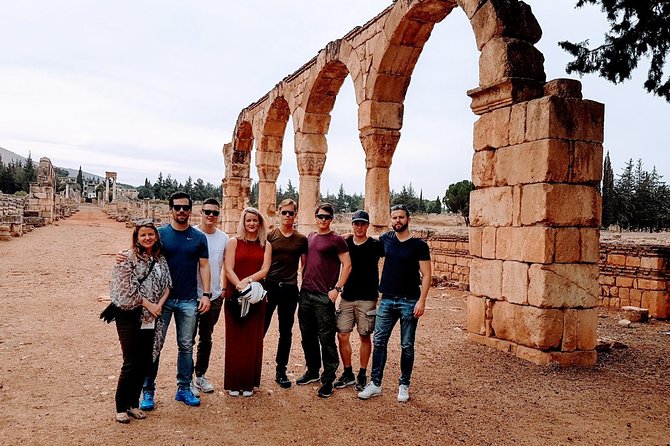
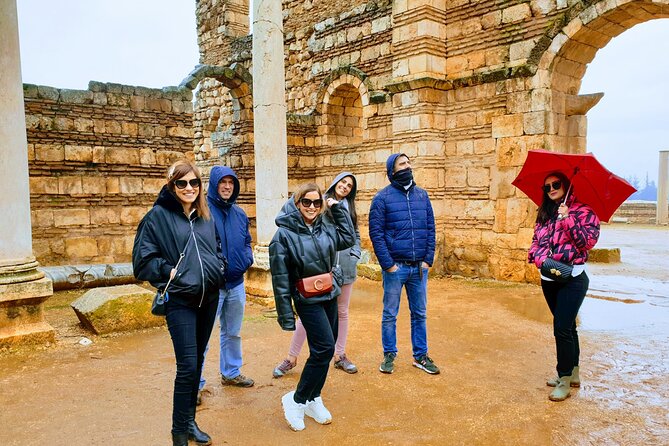
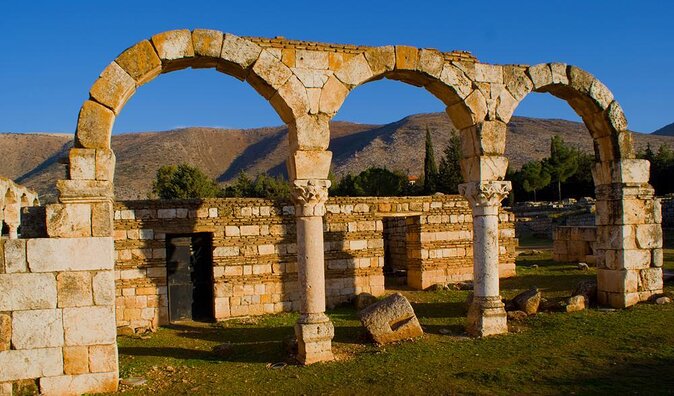
Anjar changes the historical focus completely. Founded by Caliph Walid I in the early eighth century, the city was built during the Umayyad period and served as an inland commercial center. Its position mattered because routes connected Beirut with Damascus, while another road crossed the Bekaa toward Homs and Tiberias.
The ruins are notable for their regular plan. Instead of the monumental religious focus of Baalbek, Anjar shows a planned city with streets, palace buildings, baths, a mosque, and residential areas. The site includes remains of the caliph’s great palace, the harem, thermal baths, walls, and rows of columns.
Roman architectural elements appear here too, but the city belongs to a later Islamic period. That contrast makes the pairing with Baalbek worthwhile. In the morning, you are looking at a Roman sanctuary built for pilgrims. Later, you are walking through the remains of an Umayyad center built around government, trade, and urban life.
The scheduled visit to Anjar is about 45 minutes, with another 45 minutes for the ruins. As at Baalbek, admission is not specifically included in the listed tour price. Set aside some money for site tickets, and confirm the current fee when you book or with the operator before departure.
Anjar is also exposed and outdoors. One review specifically noted that the walks were hot in summer. Wear practical shoes, carry water, and bring sun protection. You do not need serious hiking gear, but this is not a vehicle-only sightseeing day.
Lebanese lunch in the middle of the day
Lunch is included, which matters on a nine-hour outing. You do not have to search for a restaurant in an unfamiliar area, and the meal gives the group a proper break between the ruins and the winery.
The meal is described as authentic Lebanese food, and several guides have been praised for making lunch a generous part of the day. Expect a substantial restaurant meal rather than a quick sandwich. One review was less pleased with both the food quality and the service, so I would keep expectations sensible: the lunch is a convenient local meal, not a guaranteed culinary highlight.
The value is partly practical. After walking through two archaeological sites, sitting down indoors and eating a full meal helps the day feel manageable. It also gives you time to ask your guide about Lebanon, the Bekaa Valley, or places you pass on the drive.
Same base, a different sort of day:
- Dubai: Burj Khalifa Levels 124 & 125 Entry Ticket + Options
★ 4.3 · 90,891 reviews - Dubai: Desert Safari, Quad Bike, Camel Ride & Al Khayma Camp
★ 4.9 · 68,962 reviews - Dubai: Desert Safari, Quad Bike, Camel Ride and Sandboarding
★ 4.9 · 43,505 reviews - Dubai: Safari, Quad Bike, Camel Ride, and Buffet Dinner
★ 4.9 · 33,424 reviews
Chateau Ksara brings wine into the itinerary
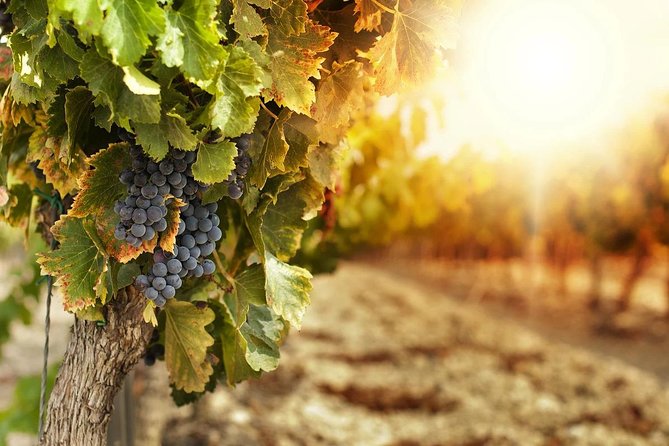
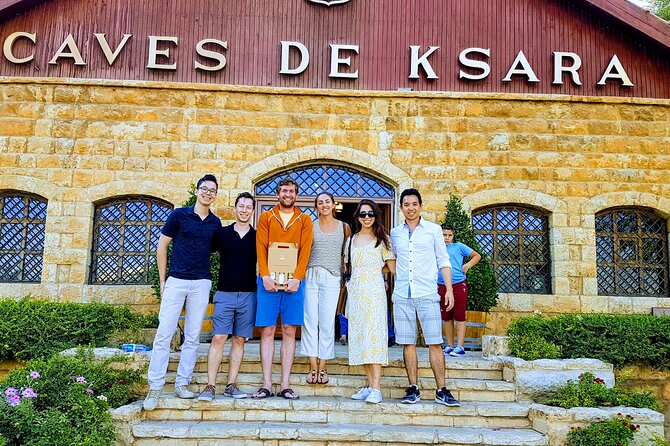
Chateau Ksara was founded by Jesuit priests in 1857 and later developed Lebanon’s first dry wine. The winery now produces about three million bottles a year and exports to more than 40 countries.
The visit lasts about an hour. It gives you a welcome change from stone ruins and outdoor walking, and it introduces a modern side of the Bekaa Valley’s agricultural and commercial life. The stop is not simply an ancient-history add-on. It shows how the valley remains a working food and wine region.
The listed inclusions do not clearly say that wine tasting is included. One account specifically notes that tasting cost extra, so budget for that possibility. If you do not drink wine, the stop still gives you a chance to see a Lebanese producer, but it will naturally be less important to you than the temples and Anjar.
Because Ksara comes after lunch and two historic sites, the final hour may feel lighter and more social. That is a good thing for many people. If your priority is archaeology, however, remember that the winery reduces the amount of time available for a slower visit elsewhere.
What the small group and guides change
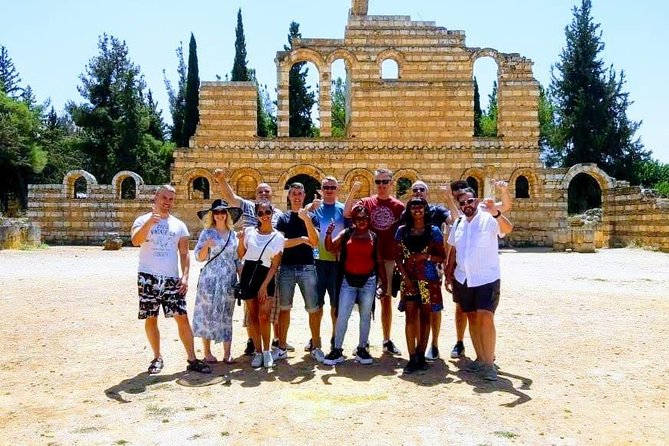
A maximum of 15 people is a useful middle ground. You get the efficiency of shared transport without the crowd size of a large coach. It is easier to hear explanations, ask questions, and keep the group moving through several stops.
The strongest part of the guiding setup is the combination of a general tour leader and local site specialists. Guides such as Albert and Hassan have been praised for humor, clear pickup information, and explanations during the drive. Other guides, including Alfred, Hassane, and Mariana, have been described as kind, patient, and attentive.
That personal element matters on a day with long transfers. A good leader can explain the places you pass, keep lunch on schedule, wait while you take extra photographs, and make the ride feel like part of the trip rather than dead time. The guide quality can vary by departure, but the repeated praise for Albert, Hassan, and the other named leaders suggests that the operator puts real weight on the human side of the experience.
If the group is unusually small, you may effectively receive a private or near-private outing. Some departures have worked out that way. Do not book expecting a guaranteed private tour, but appreciate it if numbers are low.
Transport, timing, and the value of $65
The tour begins at about 8:30 am and lasts roughly nine hours. Pickup and drop-off are offered from central Beirut hotels, and transport is by air-conditioned vehicle. That removes the need to plan the route, find parking, or drive between Beirut and the Bekaa Valley.
The designated driver is one of the clearest reasons to choose this trip. The route combines a long day on the road with unfamiliar roads and several stops. You can look out the window, listen to your guide, and conserve energy for the ruins.
At $65 per person, the value is strong if you want all three destinations. The price includes transport, a tour leader, professional guides, and lunch. You still need to allow for admission fees at Baalbek and Anjar, plus any wine tasting charge. Even with those additions, the cost compares favorably with arranging a private vehicle, driver, separate guides, restaurant meal, and winery visit yourself.
The tradeoff is control. A private day would let you spend longer at Baalbek, skip Ksara, or set your own lunch time. This tour gives you a fixed route and a full schedule in return for a lower price and simpler planning.
Who will enjoy this tour most
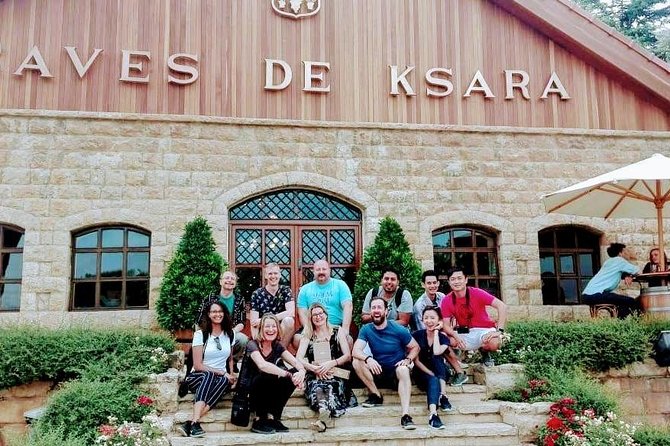
I would recommend this day to a first-time visitor based in Beirut who wants to see Baalbek without making complicated transport arrangements. It suits people who value context, enjoy a full sightseeing day, and want more than one type of attraction.
It is also a good choice if you want an overview of Lebanon’s cultural layers. You get Phoenician and Roman religious history at Baalbek, early Islamic urban planning at Anjar, present-day religious life at Sayeda Khawla Mosque, Lebanese food, and a modern winery.
You should think twice if you dislike long days, outdoor walking, or fixed schedules. The ruins are exposed, summer can be hot, and the itinerary leaves limited room for lingering. Visitors with mobility concerns should ask the operator about the current route and walking surfaces before booking, since the available information does not specify accessibility arrangements.
Pickup is offered, and most people can participate. Confirmation is provided at booking. If your plans change, free cancellation is available up to 24 hours before the start time. Changes or cancellations inside that window are not refunded.
Should you book the Baalbek, Anjar, and Ksara tour?
Yes, if you want a practical, well-priced day from Beirut that covers Lebanon’s most important inland sights. Baalbek alone justifies the trip, while Anjar gives you a valuable second historical period and Ksara keeps the day from becoming four straight hours of ruins.
I would book it for the small group, included lunch, air-conditioned transport, and the chance to have local site guides explain what you are seeing. I would also confirm admission fees and wine tasting costs before departure, and plan for heat with comfortable shoes, water, and sun protection.
Choose a private arrangement instead if you want to photograph Baalbek at your own pace or spend much longer at one site. For most visitors with one free day in Beirut, though, this tour packs the Bekaa Valley’s major highlights into a sensible and good-value outing.
FAQ
What time does the tour start?
The stated start time is 8:30 am. The experience lasts approximately nine hours.
Does the tour include hotel pickup and drop-off?
Yes. Round-trip transfers are offered from central Beirut hotels.
Is lunch included?
Yes. A Lebanese lunch at a local restaurant is included in the tour price.
Are entrance fees included?
Admission is listed separately for the Baalbek temple complex, Anjar’s Umayyad ruins, and Chateau Ksara. The tour information does not list these fees as included, so confirm the current charges before departure.
Is wine tasting at Chateau Ksara included?
The winery visit is included, but the available information does not state that wine tasting is included. An account of the experience notes that tasting was an extra cost, so plan for a possible additional charge.
How large is the tour group?
The maximum group size is 15 people. The tour includes an air-conditioned vehicle, a tour leader, and professional guides.
Just added in the Middle East
- Dubai: Desert Safari, Camel Ride, and BBQ Dinner★ 4.0 · 192 reviews
- From Dubai: Discovery Scuba Diving & Snorkeling In Fujairah★ 4.9 · 93 reviews
- From Dubai: Fujairah Half-Day Scuba Dive and Snorkeling★ 4.7 · 186 reviews
- Dubai: Half-Day Camel Trekking with Al Marmoom Breakfast★ 4.9 · 221 reviews
- Discover Abu Dhabi: A Full-Day Tour with Lunch★ 4.7 · 33 reviews
- Private Full-Day Desert Tour★ 4.8 · 25 reviews
- From Doha: Inland Sea Desert Safari with All Activities★ 5.0 · 29 reviews
- From Dubai: 2 Dives for Certified Divers with BBQ & Transfer★ 4.5 · 69 reviews
Lebanon Day Trips, compared.
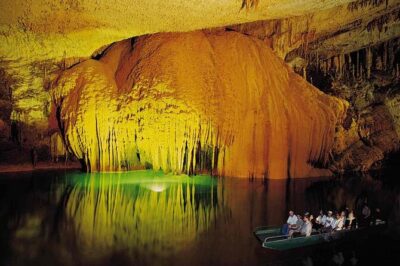
Guided Small-Group Tour to Jeita, Harissa, Byblos with Lunch
Read our review →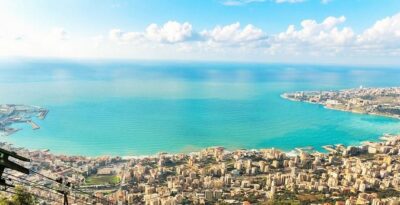
Jeita Grotto,Harissa&Byblos Full-Day PRIVATE-CAR Trip from Beirut
Read our review →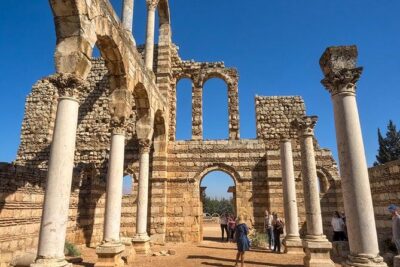
Anjar, Baalbek & Ksara Day Trip – With Lunch (4G on Board)
Read our review →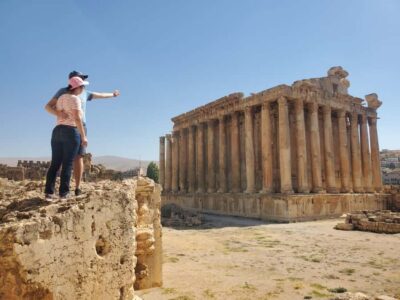
Baalbek Temples & Ksara Caves w/pick-up,guide, entries+lunch
Read our review →

Jeita Grotto, Harissa, Byblos group tour & Guide
Read our review →Browse the lists this tour appears in