
Reviewed · LEBANON DAY TRIPS
Small Group Tours to Baalbek, Anjar & Chateau Ksara with lunch and Tickets
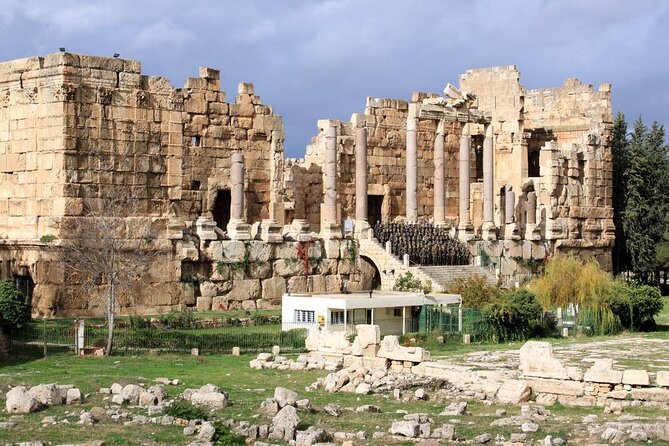
Baalbek gives this day its real punch. You walk among huge Roman temples built for Jupiter, Venus, and Bacchus, then see the Stone of the Pregnant Woman, one of antiquity’s largest quarried blocks. I like that the tour adds Anjar’s Umayyad ruins and a Lebanese winery, so the day does not stop with Roman stones.
I also like the practical setup: hotel pickup, lunch, and a small group capped at 15 save you from arranging several awkward connections across the Bekaa Valley. The main drawback is the long day, about nine hours, with roughly 90 minutes at Baalbek and shorter stops at Anjar and the winery. If you want a slow archaeological study, this schedule may feel brisk.
Key points at a glance
- Baalbek is the main event: See the Roman sanctuary of Heliopolis, including the temples of Jupiter and Venus, with admission included.
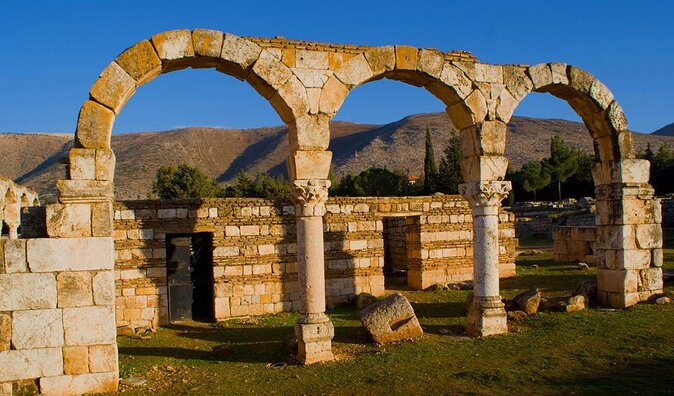
- Anjar adds a different era: Walk through an Umayyad city with palace walls, a mosque, thermal baths, and Roman-influenced columns.
- Château Ksara brings local flavor: Visit Lebanon’s oldest winery, learn how wine is made, and look inside its on-site cave.
- Lunch is part of the value: A local Lebanese restaurant meal is included, not left as an extra decision during a packed day.
- The ride is made for a full-day outing: Hotel transfers and an air-conditioned minivan make the route easier than piecing it together alone.
- The group stays relatively small: With a maximum of 15 people, you have a better chance to ask questions than on a large coach tour.
Why Baalbek makes this Beirut day trip worthwhile
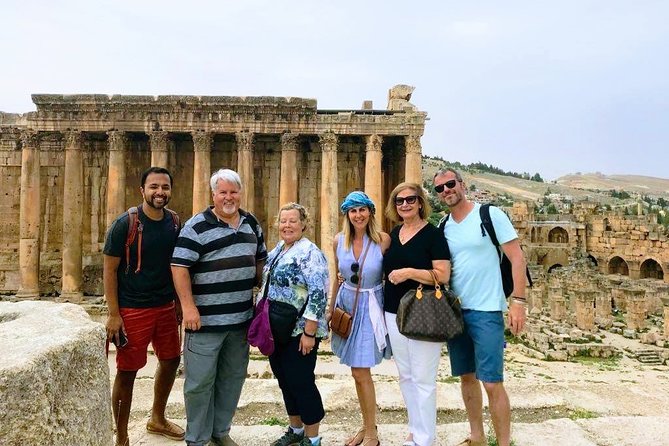
I would choose this tour mainly for Baalbek. The site sits at about 1,150 meters near the southwestern slopes of the Anti-Lebanon range, on the edge of the Bekaa Valley. Its setting helps explain why the Romans valued it, but the stonework is what holds your attention.
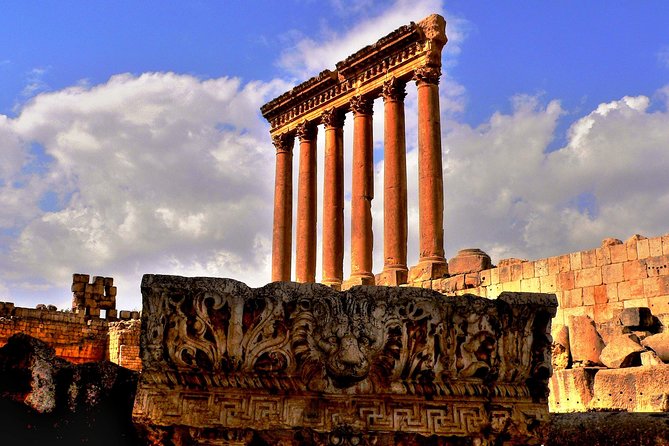
Baalbek was once known as Heliopolis, the City of the Sun. Its sanctuary honored a Romanized version of a Phoenician religious tradition, centered on Jupiter, Venus, and Bacchus. Construction continued for more than two centuries, producing one of the Roman world’s most imposing religious complexes.
You can expect about 90 minutes inside the temple complex. That is enough time to see the major structures and hear the main story, but not enough for every carved fragment or architectural detail. A guide matters here because the site is large, and a few well-chosen explanations can turn scattered columns and foundations into a readable plan.
The scale is hard to grasp from photographs. Massive columns, broad platforms, and enormous foundation blocks show the ambition of the builders. The temples were not simply decorated buildings. They were designed to make worshippers feel the power of the gods and the authority of the empire.
A guide with an archaeology background can add useful context. On one departure, Natasha brought that training to the explanations, connecting the visible remains to the site’s older Phoenician roots and later Roman form. Guide assignments can vary, so treat her as an example of the kind of expertise you might receive, not a guaranteed name.
More Lebanese day trips from Beirut:
- Guided Small-Group Tour to Baalbek, Anjar and Ksara with Lunch
★ 5.0 · 511 reviews - Guided Small-Group Tour to Jeita, Harissa, Byblos with Lunch
★ 5.0 · 361 reviews - Jeita Grotto,Harissa&Byblos Full-Day PRIVATE-CAR Trip from Beirut
★ 5.0 · 222 reviews
The Stone of the Pregnant Woman and Baalbek’s giant blocks
The Stone of the Pregnant Woman is a short stop, listed at about 15 minutes, but it earns its place. This worked Roman monolith is one of two enormous blocks quarried near Baalbek and believed to have been intended for the nearby temple complex.
The point is not a polished monument. It is the sheer problem of moving and placing such a block. Even with modern equipment, the stone’s size makes the ancient project difficult to picture. Your guide can help connect this rough-looking object with the grand temples a short distance away.
Do not expect a long visit here. You will stop, see the stone, hear the explanation, and continue. That is sensible on a day already packed with three major sites. It is also a good place to keep your expectations realistic: the interest comes from engineering and scale, not from a complete building or an elaborate display.
A short stop at the Mosque of Sayyida Khawla
The Baalbek portion also includes the Mosque of Sayyida Khawla. It marks the site where Sayyida Khawla, the daughter of Imam al-Hussein, is believed to have been buried.
This adds a religious layer to the day that is separate from the Roman sanctuary. Local belief connects the place with the passage of the captives of Karbala and Khawla’s death in Baalbek. The stop is not presented with a set duration, so the amount of time may depend on the day’s pace and the group.
I appreciate the inclusion because it keeps Baalbek from being treated as only an ancient Roman site. The city has continued meaning for different communities long after the empire that built the temples disappeared.
Anjar reveals Lebanon’s Umayyad past
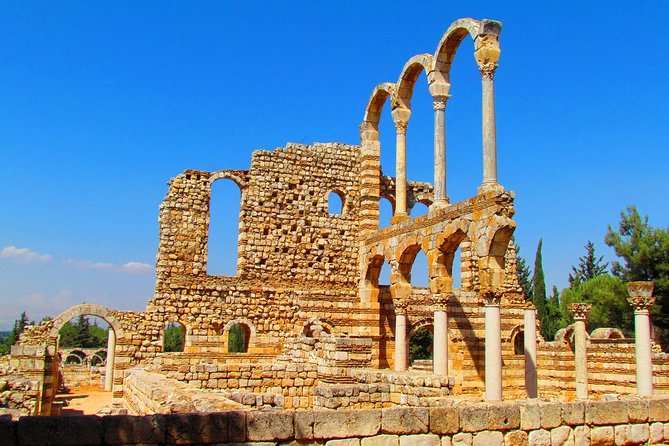
After Baalbek, the tour turns to Anjar, an Umayyad city found in the Bekaa Valley. The ruins date from a different period and serve a different purpose. Baalbek was a major sanctuary. Anjar was an inland commercial center positioned at the meeting point of routes between Beirut and Damascus, and between Homs and Tiberias.
You have about 45 minutes here, with admission included. That makes Anjar a concise stop, but the site is organized enough for a short walk. You can see the remains of the palace, harems, mosque, thermal baths, and the caliph’s great palace. Rows of columns also show the influence of Roman architectural forms on later builders.
The site was only identified by archaeologists in the late 1940s. That fact gives Anjar a different feel from Baalbek. Instead of one famous temple complex that has drawn attention for centuries, you are looking at the remains of a city whose importance was pieced together through excavation.
The shorter visit is both a benefit and a limitation. It lets you cover three major places in one day, but you will not have time to study every wall or reconstruct the city in detail. If the Umayyad period is your main interest, you may want a tour focused on Anjar alone. For a first visit to Lebanon, though, the contrast with Baalbek is valuable.
Same base, a different sort of day:
- Paragliding Trip Over Lebanon – Jounieh Bay
★ 5.0 · 257 reviews - First Paragliding Club in Lebanon – Since 1992
★ 5.0 · 193 reviews - Anjar, Baalbek & Ksara Day Trip – With Lunch (4G on Board)
★ 4.5 · 181 reviews - Jeita Grotto – Harissa – Byblos Trip
★ 5.0 · 169 reviews
Lunch is more than a break in the schedule
A Lebanese lunch at a local restaurant is included. That matters because the route leaves little room for searching out a meal on your own, especially once you are away from Beirut.
The meal also gives the day a more local rhythm. You are not spending all nine hours moving between ruins and taking photographs. You get time to sit down, eat, and reset before the winery stop. Past departures have included a particularly generous meal, and driver Ziad was noted for making sure the food was served properly. Staff and restaurant details can change, but the included lunch is a clear part of the tour’s value.
The exact dishes are not specified, so do not book this expecting a particular menu. The useful point is that a Lebanese restaurant meal is built into the price rather than added as an uncertain expense. If you have dietary needs, ask the provider before departure, since no special arrangements are stated.
Château Ksara puts Lebanese wine into context
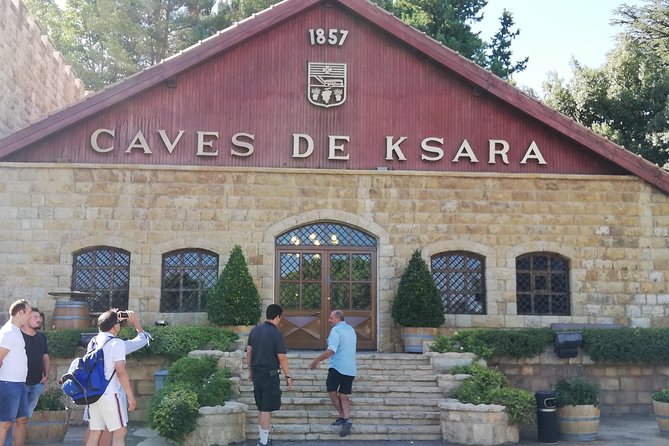
The final major stop is Château Ksara in the Bekaa Valley. Jesuit priests founded the winery in 1857, and it developed Lebanon’s first dry wine. Today it produces about three million bottles a year, with bottles sold in several countries.
You have about an hour at the winery. The visit includes an explanation of how Lebanese wine is made, multiple wine samples, and a look inside the on-site cave. This is not simply a quick tasting at a shop counter. The production story and cellar give you a reason to connect the glass in front of you with the place where it was made.
Wine tasting is not included in every possible cost category in the same way as the archaeological tickets, so read the booking details carefully. The tour information lists admission to Baalbek and Anjar as included, while Château Ksara admission is not included. At the same time, the main description presents the winery visit and multiple samples as part of the experience. If the distinction matters to your budget, confirm exactly what the winery visit covers before paying.
Ksara also breaks up the ancient sites. After temples, foundations, and palace walls, the winery gives you a working Lebanese business with an ongoing product. It is a pleasant finish for anyone interested in food and drink, though a person who has no interest in wine may find the hour less important than the archaeological stops.
The minivan and small group setup
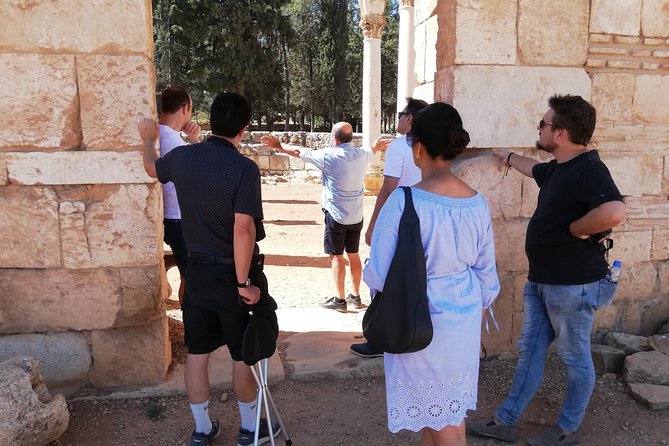
The tour starts at 8:00 a.m. and lasts about nine hours. Hotel pickup and drop-off are included, which is a major convenience in Beirut, where arranging an early transfer and then finding transport back from the Bekaa Valley can add stress.
Travel takes place in a comfortable, air-conditioned private minivan. Climate control matters here because the day includes several outdoor archaeological sites, and the vehicle gives you a place to recover between stops. The route is long enough that vehicle comfort is not a minor detail.
The group maximum is 15 people. That is small enough to keep questions practical and explanations easier to hear, though it is not a private tour for two or four people. The small-group format also gives the guide more room to adjust explanations and help with the day’s flow.
The itinerary is tightly arranged. Baalbek receives the most time, Anjar gets a shorter look, lunch provides a pause, and Château Ksara finishes the route. You should wear practical shoes and be ready for a full day, but the supplied information does not specify a dress code or particular walking requirements. Most people can take part.
What the $75 price really covers
At $75 per person, this tour offers a strong package for someone who wants to see several major sites without arranging transport, meals, guides, and admissions separately. You receive hotel transfers, an air-conditioned vehicle, a local guide, a tour leader, lunch, and admission to Baalbek and Anjar.
The value comes from the distance covered. Beirut is your base, but the day reaches the Bekaa Valley and combines Roman, religious, Umayyad, and wine-making sites. A self-planned outing would require more coordination, and the cost of private transport could quickly reduce the savings.
The price is less attractive if you only want Baalbek. In that case, a shorter excursion might leave more time at the ruins and cost less. It is also less suited to you if you prefer to set your own pace, linger over inscriptions, or spend a full afternoon at one site.
For a first visit, the three-stop design works well. You get a broad sense of Lebanon’s past and present in one day, with lunch and transport already handled. The included tickets remove two small but important decisions, while the winery admission detail is worth clarifying before booking.
Who should book this day from Beirut
I would recommend it to you if you have limited time in Beirut and want more than a city tour. Baalbek alone is worth serious attention, and adding Anjar and Château Ksara gives the day a useful range.
It is also a good fit if you prefer explanations to guidebooks. The archaeology-focused approach associated with Natasha, along with the on-site help of guides such as Khalil on some departures, can make a real difference at places where the remains are impressive but not always self-explanatory.
Food and wine are another reason to choose it. The Lebanese lunch is included, and the winery adds tasting and production details rather than another set of ruins. You get a fuller sense of the region than you would from an archaeology-only trip.
I would hesitate if you dislike long day trips, prefer independent travel, or need extended time at each ruin. The schedule is efficient, not leisurely. You should also keep the weather policy in mind: the experience requires good weather, and a cancellation for poor conditions leads to another date or a full refund.
Cancellation is free up to 24 hours before the start time. Less than 24 hours before departure, changes and refunds are not accepted under the stated policy.
Should you book it?
Book this tour if you want the easiest practical route to Baalbek, with two worthwhile additions and a meal included. The strongest reasons are the excellent Baalbek visit, the small group, the comfortable transport, and the mix of ancient sites with Château Ksara.
Skip it if your priority is slow, specialist-level study of one archaeological site. For most people with only a few days in Lebanon, though, the $75 price and nine-hour format make this a sensible way to reach the Bekaa Valley without turning transport into a project.
FAQ
What sites does the tour visit?
The tour visits the temples of Baalbek, the Stone of the Pregnant Woman, the Mosque of Sayyida Khawla, the Umayyad ruins of Anjar, and Château Ksara winery.
How long does the experience last?
The tour lasts approximately nine hours and begins at 8:00 a.m.
Is hotel pickup and drop-off included?
Yes. Hotel pickup and drop-off in Beirut are included.
Is lunch included?
Yes. The tour includes lunch at a local Lebanese restaurant.
Are admission tickets included?
Admission to the Baalbek temples and the Umayyad ruins of Anjar is included. Château Ksara admission is listed separately as not included, so confirm the exact tasting and winery entry arrangements before booking.
How large is the group?
The maximum group size is 15 people.
Is transportation air-conditioned?
Yes. Transportation is provided in a comfortable, air-conditioned private minivan.
What happens if bad weather cancels the tour?
If poor weather causes cancellation, you can choose another date or receive a full refund. Free cancellation is also available if you cancel at least 24 hours before the start time.
Just added in Beirut
- Semi-Private Tour to Jeita Grotto, Harissa & Byblos with Lunch★ 5.0 · 52 reviews
- Guided Small-Group Tour to Qadisha, Bcharee & Cedars with Lunch★ 5.0 · 39 reviews
- Sidon, Tyre & Maghdouche Day Trip – With Lunch (4G on Board)★ 4.5 · 44 reviews
- Paragliding activity in Lebanon★ 5.0 · 33 reviews
- Jeita Grotto, Byblos and Harissa Full-Day Tour from Beirut★ 5.0 · 23 reviews
- PRIVATE city Tour of authentic Tripoli and vibrant Batroun★ 5.0 · 51 reviews
- Paragliding Trip Over Lebanon – Jounieh Bay★ 5.0 · 257 reviews
- Sidon – Tyre – Maghdouche Trip, From Beirut★ 5.0 · 25 reviews
Lebanon Day Trips, compared.
Guided Small-Group Tour to Baalbek, Anjar and Ksara with Lunch
Read our review →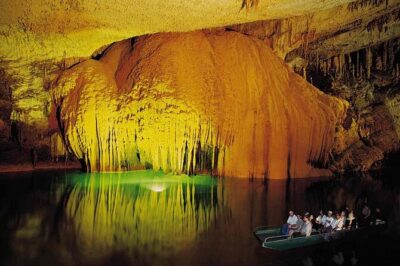
Guided Small-Group Tour to Jeita, Harissa, Byblos with Lunch
Read our review →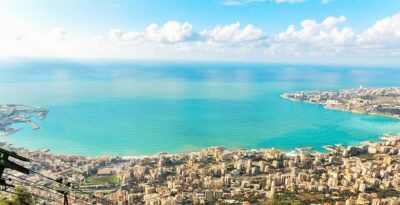
Jeita Grotto,Harissa&Byblos Full-Day PRIVATE-CAR Trip from Beirut
Read our review →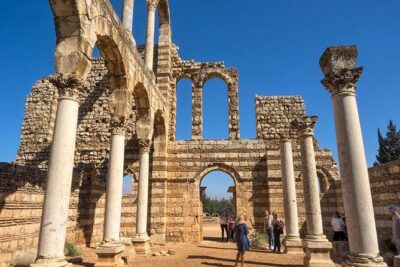
Anjar, Baalbek & Ksara Day Trip – With Lunch (4G on Board)
Read our review →
Byblos, Jeita Grotto & Harissa Day Trip -With Lunch (4G on Board)
Read our review →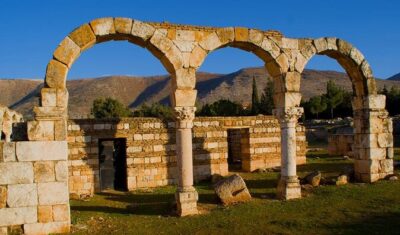
Private Anjar and Baalbek Tour from Beirut with Departure Ticket
Read our review →Browse the lists this tour appears in