
Reviewed · LEBANON DAY TRIPS
Guided Small-Group Tour to Jeita, Harissa, Byblos with Lunch
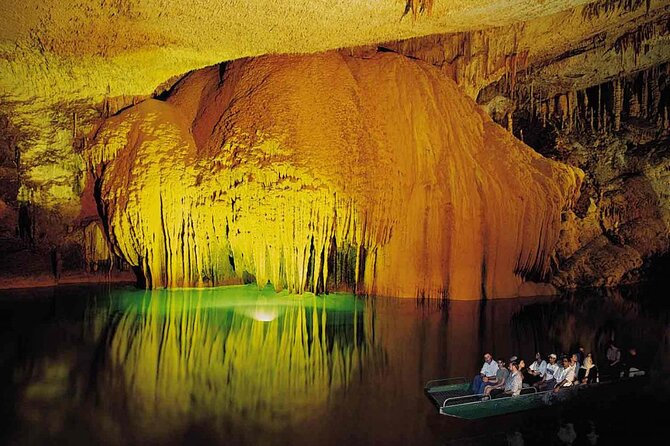
Jeita Grotto is the star of this day, with vast limestone chambers, strange mineral shapes, an underground river, and a short boat ride through the lower cave. From there, the tour links two very different sights: the hilltop shrine at Harissa, reached by cable car, and Byblos, one of the oldest cities on the Mediterranean.
I like the practical design. Hotel pickup and drop-off save you from wrestling with Beirut traffic, and a small group capped at 15 people keeps the day more personal than a large coach trip. I also like the mix of nature, religion, archaeology, food, and shopping. The main drawback is time: eight hours covers a lot of ground, so Byblos may feel rushed, especially if traffic slows the return.
Key points to know
- Jeita Grotto combines two cave visits: Walk through the upper gallery, then take a boat across the underground lake when operating conditions allow.
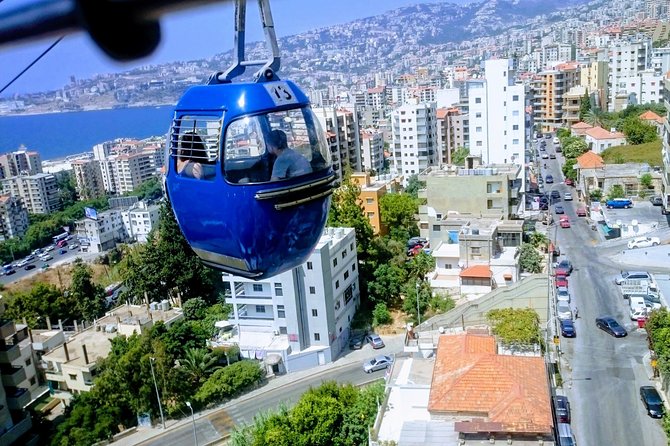
- The Teleferique is a highlight, not just transport: The ride climbs above Jounieh Bay toward Harissa, with wide views over the city and coast.
- Byblos gives you the day’s strongest history lesson: You see Phoenician ruins, a Crusader castle, an old port, and a stone-paved souk in one compact area.
- Lunch is included: The meal is served in Byblos, and the reported dining experience includes generous Lebanese dishes and views near the port or river.
- Guides shape the day: Albert, Hassan, Hassane, and Pierre are among the guides praised for clear explanations, humor, safety, and local stories.
- The $60 price is strong value: Entry to the historic sites, lunch, transport, and a full day of guiding are included, though the cable car ticket is extra.
Why this combination works from Beirut
This tour gives you a useful first look at Lebanon north of Beirut without asking you to solve the transport puzzle yourself. The route moves from the cool darkness of Jeita Grotto to the bright height of Harissa, then finishes in the layered streets of Byblos.
That contrast is the real strength. You are not spending eight hours looking at one type of monument. You get natural scenery, a major Christian pilgrimage site, ancient Phoenician remains, medieval military architecture, food, and time in a historic market district.
The day begins around 8:30 am and lasts approximately eight hours. Pickup is offered, and the vehicle is air-conditioned. That matters in Lebanon, where road conditions and city traffic can make an independent day trip tiring. Your driver and guide handle the route while you focus on the views.
The group can include up to 15 people. That is small enough for questions and conversation, but it is not a private tour. If the group fills, you should expect some waiting at entrances and a set pace at each stop.
More Lebanese day trips across the Middle East:
- Guided Small-Group Tour to Baalbek, Anjar and Ksara with Lunch
★ 5.0 · 511 reviews - Jeita Grotto,Harissa&Byblos Full-Day PRIVATE-CAR Trip from Beirut
★ 5.0 · 222 reviews - Anjar, Baalbek & Ksara Day Trip – With Lunch (4G on Board)
★ 4.5 · 181 reviews
Jeita Grotto: Lebanon’s most unusual first stop
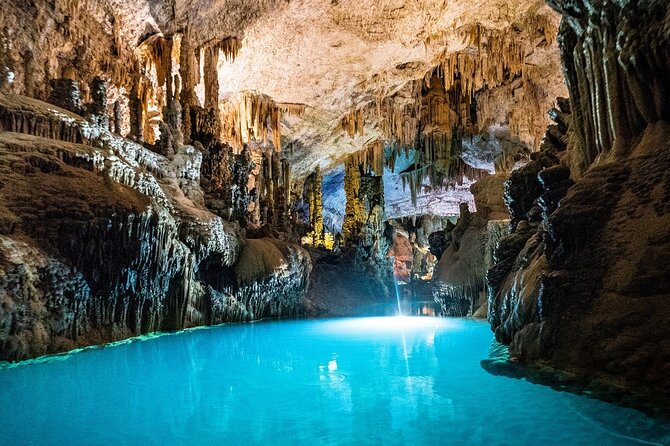
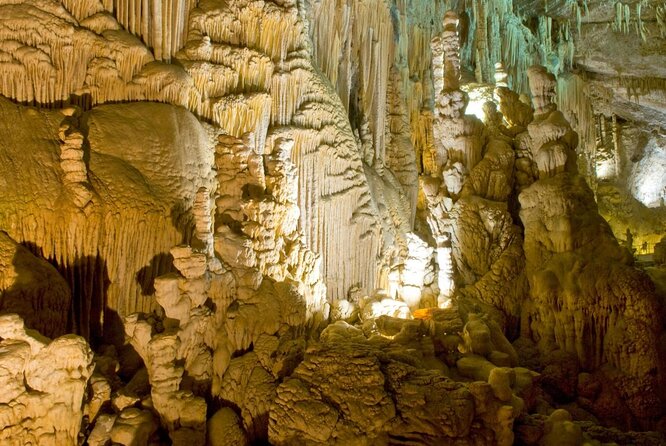
Jeita is the most distinctive stop on the route. It is a system of two connected limestone caves formed over millions of years, about 300 meters above sea level. The upper cave reaches roughly 2,130 meters in length and is filled with stalactites, stalagmites, columns, curtains, ponds, and other mineral forms.
You explore the upper gallery on foot. The shapes are the point, but the setting also gives you a break from the heat and noise outside. The cave is not a quick photo stop. About an hour and a half is allotted here, which gives you time to walk through the main area and take in the scale.
The lower gallery sits about 60 meters below the upper cave. It extends for about 6,200 meters and contains an underground river and lake. A short boat ride across the water is one of the most memorable parts of the day. The experience is quiet and atmospheric, quite different from the walking route above.
There is one important practical detail: photography is not allowed inside the grotto. Put the camera away and enjoy the cave itself. You can take photographs outside, but do not expect to document every formation.
The admission ticket is included. The boat ride is described as part of the visit, but underground boating can depend on local operating conditions, so it is sensible not to treat any single feature as guaranteed in every circumstance.
Harissa and the Teleferique above Jounieh Bay
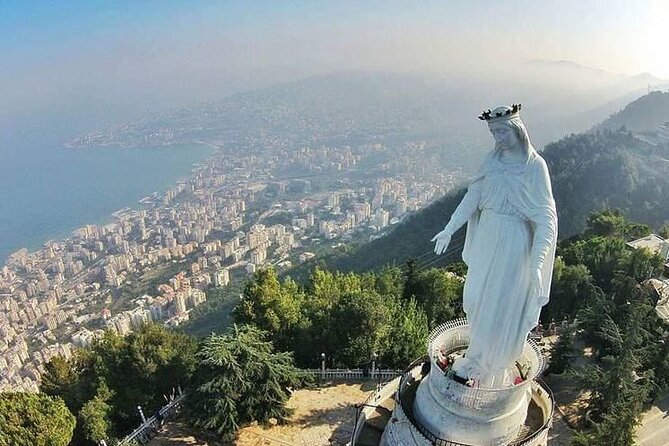
After Jeita, the route climbs toward Harissa, a major Christian pilgrimage site. The hilltop shrine is dedicated to Our Lady of Lebanon, represented by a 15-ton bronze statue of the Virgin Mary with outstretched arms facing Beirut and Jounieh Bay.
The statue is 8.5 meters high and has a diameter of five meters. A small chapel sits inside its base, and a large concrete-and-glass cathedral is nearby. The setting is religious first, but you do not need to be a pilgrim to appreciate the view and the architecture.
The tour also includes time around other churches in Harissa, including the Byzantine-style Melkite Greek Catholic Basilica of St. Paul. The church stop is brief, about 15 minutes, so think of it as a glimpse rather than a full religious architecture tour.
The most exciting approach is the Teleferique cable car. The gondola climbs from Jounieh above steep, pine-covered slopes to Harissa at about 650 meters. The ride takes around 20 minutes and opens up views of Jounieh Bay and the surrounding city.
The cable-car ticket is not included, so budget for that separately. This is the one clear extra cost named in the tour details. I would still consider it worthwhile because the ride adds a strong visual moment to the day. You may see handgliders near the cable car, and the height gives you a much better sense of the bay than a road transfer would.
The shrine visit itself lasts about 30 minutes. That is enough to see the statue, chapel, cathedral area, and view, but not enough for a slow, detailed visit to every church. Wear shoes suitable for walking and keep the timing in mind.
Byblos: Phoenician ruins beside the sea
Byblos is the longest stop, with about two hours devoted to the city and its historic sights, followed by a separate hour at Byblos Castle. That gives you more room to wander than at Harissa, though one person described the Byblos portion as too short and the whole tour as finishing earlier than expected.
Byblos has been inhabited since Neolithic times. It became one of the great Phoenician cities and is closely tied to the spread of the Phoenician alphabet. The city’s importance comes from its long sequence of occupation. You are not looking at one isolated ruin, but at layers built and rebuilt over thousands of years.
The archaeological site includes the remains of the Temple of Baalat Gebal and the Temple of the Obelisks. These ruins are set near the sea, giving the visit a useful sense of place. Byblos was not only a collection of temples. It was a port city connected to trade across the eastern Mediterranean.
Same base, a different sort of day:
- Dubai: Burj Khalifa Levels 124 & 125 Entry Ticket + Options
★ 4.3 · 90,891 reviews - Dubai: Desert Safari, Quad Bike, Camel Ride & Al Khayma Camp
★ 4.9 · 68,962 reviews - Dubai: Desert Safari, Quad Bike, Camel Ride and Sandboarding
★ 4.9 · 43,505 reviews - Dubai: Safari, Quad Bike, Camel Ride, and Buffet Dinner
★ 4.9 · 33,424 reviews
Byblos Castle and the old archaeological site
The restored 12th-century Crusader castle provides a different view of Byblos. It is surrounded by a dry moat about 10 meters wide and sits inside the larger archaeological zone.
Climb to the top of the square keep for a broad view over the ruins and toward the sea. From there, Bronze Age dwellings are visible below the castle walls. This is where the city’s long timeline becomes easiest to understand: Phoenician temples, earlier homes, and a medieval fortress occupy the same compact area.
Admission to the castle is included. Inside, you will find a small museum and information panels explaining the city’s past. The castle does not require a huge amount of time, but its upper view makes it one of the most rewarding parts of the Byblos visit.
I like this stop because it gives you a physical sense of how history overlaps. The castle is not isolated from the ancient city. It sits directly among the older remains, and the view from the keep helps connect the pieces.
Lunch, the souk, and the old port
Lunch is included and served in Byblos. The meal is described as fresh, authentic Lebanese food, with generous portions and good service. Some dining arrangements have included views toward the port or a river, adding a pleasant break after the archaeological site.
You should expect lunch to be part of the schedule rather than a long independent restaurant hunt. That is helpful on a tightly organized day, especially when you want to sample local food without spending time choosing a restaurant.
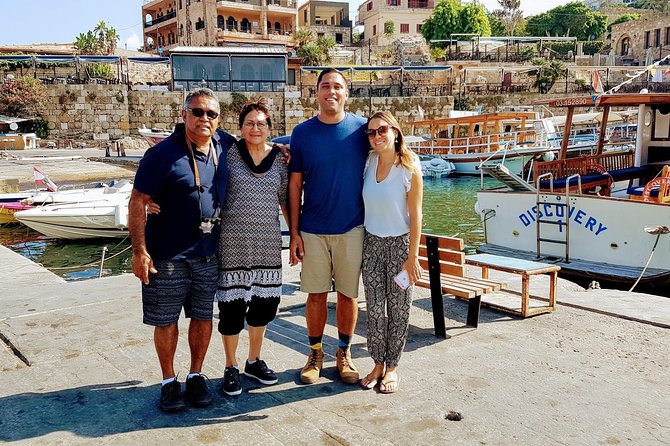
After lunch, you have a short period in the old souk. The market runs along old cobblestone streets and includes souvenir and antique shops. Fifteen minutes is not enough for serious shopping, but it works for a quick stroll, a few photographs, or a small purchase.
The port also receives about 15 minutes. Byblos Port is traditionally regarded by Lebanese people as one of the oldest ports in the world. Around 3000 BC, it was an important timber-shipping center for the eastern Mediterranean.
Do not expect a long harbor walk. The port stop is brief, but it helps explain why Byblos mattered. The sea is not just a scenic backdrop here. It is central to the city’s story.
The guides and the feel of the day
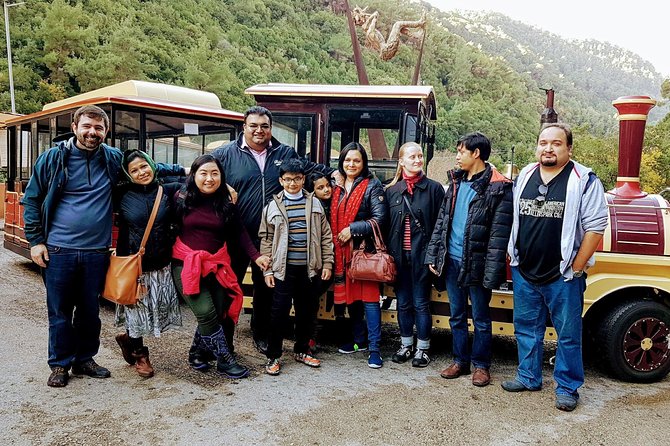
The guide can make a major difference on a route with this much information. Guides named Albert, Hassan, Hassane, and Pierre have been praised for clear English, humor, local anecdotes, patience, and a calm approach to questions.
That matters most during the drives between stops. A good guide can connect the cave, shrine, castle, and port into a single story about Lebanon rather than treating each place as a separate photo stop. Albert, in particular, has been described as offering insight into Lebanese life as well as history and scenery. Hassan has been praised for keeping the group attentive, informed, and on schedule.
The driving is another strong part of the package. The tour uses an air-conditioned vehicle, and the driver handles the difficult road work. Several comments point to a safe, pleasant ride, which is valuable when the day includes Beirut, Jounieh, Harissa, and Byblos.
The group size can reach 15, so you should not expect the flexibility of a private guide. Still, the small-group format is a sensible middle ground. You get shared transport and a lower price while keeping more contact with the guide than you would on a large bus.
Is $60 a fair price?
At $60 per person, the tour offers solid value. The price includes hotel pickup and drop-off, air-conditioned transport, a guide and tour leader, lunch, and entry to the listed historical sites. The Teleferique ticket is extra, so account for that before booking.
The value is strongest for visitors staying in Beirut who want to see several major sights in one day. Independent transport would add planning, and arranging a car, driver, cave visit, Harissa ride, and Byblos sightseeing separately could easily become more expensive or less convenient.
The tradeoff is a fixed schedule. You are paying for an efficient overview, not a slow private exploration. The old souk and port stops are short, and Byblos may feel compressed if traffic or group timing changes.
The tour is often booked about 12 days ahead, which suggests you should not leave it until the last moment if your Beirut dates are fixed. Free cancellation is available up to 24 hours before the start time. Changes or cancellations inside that window are not accepted for a refund.
Who should book this day trip?
I would choose this tour if you want a broad first look at Lebanon and prefer not to drive. It suits couples, solo visitors, and small groups who want culture and scenery without arranging several separate outings.
It is also a good choice for anyone who values food as part of sightseeing. Lunch is not an afterthought, and the Byblos setting adds a sense of place to the meal.
I would think twice if you want long, quiet visits at each site. The schedule is full, and the tour covers three major destinations plus several short stops. Serious archaeology fans may want a private Byblos visit with more time in the ruins. Likewise, visitors focused on religious architecture may prefer a dedicated Harissa tour.
Should you book it?
Book it if you want Jeita Grotto, Harissa, and Byblos in one well-priced day, with transport and lunch taken care of. The strongest parts are the underground boat ride, the Teleferique views, the castle keep, and the chance to see Byblos beside its ancient port.
Go in knowing that the day is an overview. The cable car costs extra, photography is not allowed inside Jeita Grotto, and the Byblos schedule may feel tight. For a first day outside Beirut, though, the mix is hard to beat at $60.
FAQ
How long does the tour last?
The tour lasts approximately eight hours and begins around 8:30 am.
Is hotel pickup included?
Yes. Hotel pickup and drop-off are included, along with round-trip transport in an air-conditioned vehicle.
Is lunch included?
Yes. An authentic Lebanese lunch in Byblos is included in the tour price.
Is the Teleferique cable-car ticket included?
No. The Teleferique ride is part of the itinerary, but its admission ticket is not included.
Can I take photos inside Jeita Grotto?
No. Photography is not allowed inside the grotto.
What is the maximum group size?
The tour has a maximum of 15 participants.
Just added in the Middle East
- From Muscat: Nizwa and Jebel Shams Day Trip★ 4.8 · 153 reviews
- From Muscat: Dimaniyat Islands Snorkeling Tour★ 4.7 · 59 reviews
- From Muscat: Guided Overnight Desert Camp Tour★ 4.9 · 28 reviews
- From Muscat: Desert Overnight and Wadi Bani Khalid★ 4.4 · 31 reviews
- From Jlm : Masada Dead Sea Small Group Tour INCL. ENTRY FEES★ 4.0 · 42 reviews
- From Manama: Bahrain Guided Trip★ 4.9 · 36 reviews
- From Khasab: Fjords of Musandam Dhow Cruise & Buffet Lunch★ 4.7 · 55 reviews
- From Jerusalem: Petra and Wadi Rum 3-Day Tour★ 4.7 · 53 reviews
Lebanon Day Trips, compared.

Guided Small-Group Tour to Baalbek, Anjar and Ksara with Lunch
Read our review →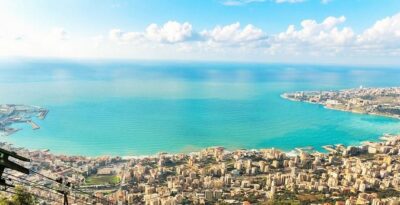
Jeita Grotto,Harissa&Byblos Full-Day PRIVATE-CAR Trip from Beirut
Read our review →
Anjar, Baalbek & Ksara Day Trip – With Lunch (4G on Board)
Read our review →
Baalbek Temples & Ksara Caves w/pick-up,guide, entries+lunch
Read our review →

Jeita Grotto, Harissa, Byblos group tour & Guide
Read our review →Browse the lists this tour appears in