
Reviewed · LEBANON DAY TRIPS
Semi-Private Tour to Jeita Grotto, Harissa & Byblos with Lunch
Jeita Grotto is the star here: a cool, echoing cave filled with huge limestone formations, followed by a boat ride through the lower gallery when conditions allow. I like that this tour pairs the cave with Harissa’s sweeping bay views and the old port of Byblos, giving you nature, faith, and ancient history in one day. I also like the small-group format, which keeps the ride more personal than a large coach tour.
The main drawback is the pace. Eight hours is enough for a strong introduction, but not enough for a slow, detailed visit to every corner of Byblos. The Telepherique ticket is not included, and the lower Jeita cave may not always be open, so check those details before you go.
Key points to know before booking
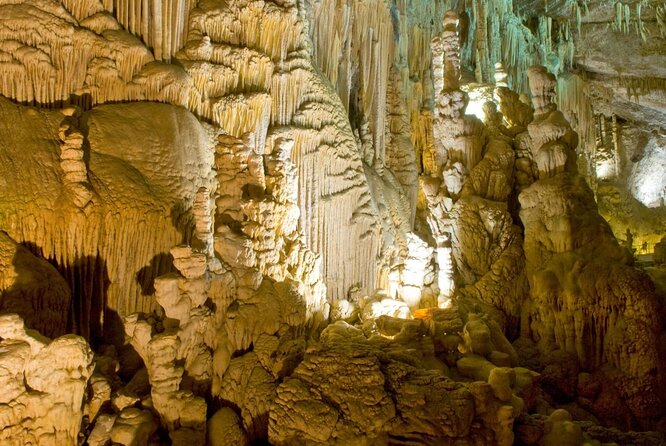
- Jeita Grotto combines two cave levels: The upper cave is filled with striking formations, while the lower gallery includes an underground river and lake reached by boat when operating.
- Harissa offers Lebanon’s best views of the Jounieh Bay area: The white statue of Our Lady of Lebanon looks toward Beirut, and the cable car climbs through pine-covered slopes.
- Byblos gives you the longest history stop: You’ll see a Crusader castle, ancient ruins, the old souk, and a port tied to Phoenician trade.
- Hotel pickup and drop-off are included: You ride in an air-conditioned minivan with a maximum group size of 10.
- Lunch is part of the price: The meal is described as simple but good, with one restaurant near the coast receiving special praise for its generous Lebanese food.
- The tour costs $55 per person: That is strong value if you want transport, guiding, admissions to Jeita and Byblos Castle, and lunch handled in one day.
Why this day trip works so well from Beirut
This is a smart first outing from Beirut because it gives you three very different sides of Lebanon without requiring you to arrange several taxis, tickets, and meals on your own. The route heads north toward the coast and mountains, so you trade the city for caves, a religious hilltop, and one of the country’s oldest settlements.
I like the range. Jeita is about natural wonder, Harissa is about views and pilgrimage, and Byblos brings archaeology, medieval walls, old streets, and the sea. You are not spending the whole day looking at similar ruins or sitting in one museum.
The tour runs for about eight hours and begins at 8:00 am. Pickup is offered from your hotel, then you travel by air-conditioned minivan. With no more than 10 people, the vehicle should feel more manageable than a full-size bus, and you have a better chance of asking questions or getting help when the day moves quickly.
The tradeoff is that this is an overview, not a leisurely private tour. You will cover a lot of ground. If you want long café stops, detailed archaeological study, or extended shopping time, you may find the schedule tight.
More Lebanese day trips from Beirut:
- Guided Small-Group Tour to Baalbek, Anjar and Ksara with Lunch
★ 5.0 · 511 reviews - Guided Small-Group Tour to Jeita, Harissa, Byblos with Lunch
★ 5.0 · 361 reviews - Jeita Grotto,Harissa&Byblos Full-Day PRIVATE-CAR Trip from Beirut
★ 5.0 · 222 reviews
Jeita Grotto: Lebanon’s spectacular underground world
Jeita Grotto is the reason many people book this excursion. The cave system formed in limestone over millions of years and includes two connected sections at different levels. The upper cave reaches about 2,130 meters and contains stalactites, stalagmites, columns, curtains, draperies, ponds, and other mineral forms.
You should expect the cave visit to last about 90 minutes, with admission included. The setting is cool, dark, and dramatic, a welcome change from the heat and glare outside. Bring a light jacket if you are sensitive to cooler indoor temperatures, though no special equipment is needed for the standard visit.
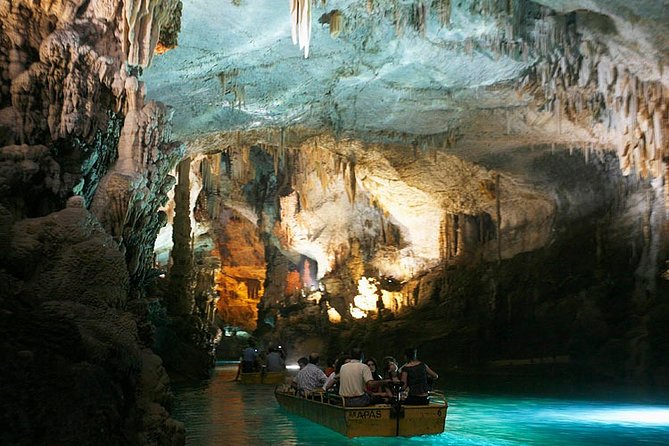
The lower gallery is around 60 meters below the upper cave and extends much farther, to about 6,200 meters. It contains an underground river and lake, and the visit includes a boat ride when that section is operating. That boat journey is one of the most unusual parts of the day because the water carries you through a cave rather than across an open lake.
There is one important point to keep in mind: access to the lower galleries can vary. Some people have not been able to visit that section, so you should treat the lower boat ride as subject to conditions rather than a guarantee. Even without it, the upper cave is the main visual event, with formations that are far larger and more varied than many casual cave visits.
Photography may be limited in parts of the grotto, so do not plan the day around getting perfect interior pictures. Your camera will be more useful later at Harissa and Byblos, where the open views are the real attraction.
Harissa and Our Lady of Lebanon
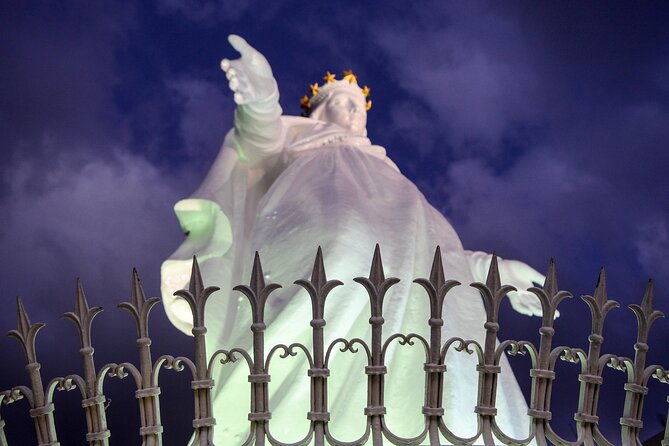
From Jeita, the tour continues to Harissa, a major Christian pilgrimage site above Jounieh. The focal point is the white-painted statue of Our Lady of Lebanon, also called Notre Dame du Liban. The bronze statue weighs 15 tons, rises 8.5 meters high, and reaches about five meters across.
The statue stretches its arms toward Beirut and the Bay of Jounieh. You get around 30 minutes at the shrine, followed by a shorter look at the nearby churches. That is enough time to take in the setting, see the statue, and enjoy the view, but it is not a full religious or architectural tour.
A large cathedral of concrete and glass sits beside the statue. Other churches in the area include the Byzantine-style Melkite Greek Catholic Basilica of St. Paul. The nearby religious buildings reflect the importance of Harissa to several Christian traditions, not just one congregation.
I like this stop because it changes the mood of the trip. After the enclosed cave, you are suddenly on an exposed mountain ridge with open air and a broad view toward the coast. You can also appreciate why Harissa is both a pilgrimage site and a sightseeing stop.
The tour allows about 15 minutes for the churches and about 20 minutes for the Telepherique. That schedule is brief, so you may need to choose between lingering at the statue, studying the church architecture, and taking photographs.
The Telepherique ride and the Jounieh view
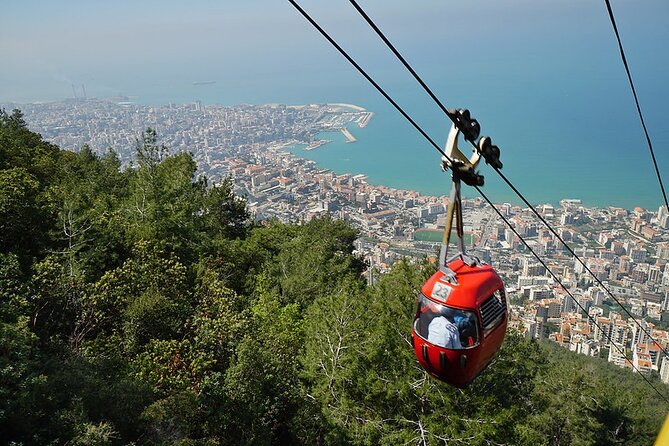
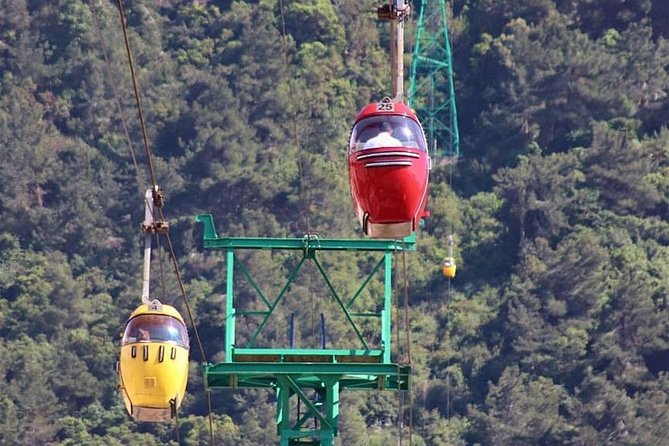
The Harissa cable car is one of the most memorable ways to reach the shrine. It carries passengers from Jounieh up steep, pine-covered slopes to an altitude of about 650 meters. From the gondola, you look over Jounieh, the bay, and the surrounding coast.
The ride itself is not included in the tour price, so budget for a separate ticket. This is the clearest extra cost on the day, and you may want to confirm the current fare before departure.
The cable car is a short part of the overall outing, but it adds something a minivan cannot provide. Instead of simply arriving at a viewpoint, you watch the town fall away beneath you as the gondola climbs. If you enjoy aerial views, this is one of the strongest reasons to choose this particular route.
Conditions matter. Cable-car operation can be affected by weather or local operations, and the short scheduled stop leaves little spare time. Still, the combination of the statue and the Telepherique makes Harissa more than a quick photo stop.
Same base, a different sort of day:
- Paragliding Trip Over Lebanon – Jounieh Bay
★ 5.0 · 257 reviews - First Paragliding Club in Lebanon – Since 1992
★ 5.0 · 193 reviews - Anjar, Baalbek & Ksara Day Trip – With Lunch (4G on Board)
★ 4.5 · 181 reviews - Jeita Grotto – Harissa – Byblos Trip
★ 5.0 · 169 reviews
Lunch: useful, simple, and part of the value
Lunch is included, which makes the $55 price easier to judge. You do not need to spend part of the day finding a restaurant, checking menus, or arranging transport for a group meal.
The meal has been described as simple but excellent, and one account praised the generous food at a restaurant near the coast. That gives you a taste of Lebanese dining without making lunch the main event. Exact dishes are not specified, so you should not book expecting a fixed menu or a particular specialty.
I see lunch as a practical benefit rather than a reason to choose the tour by itself. The value is in having food, transport, and major admissions bundled together. If you have dietary restrictions, ask the operator in advance, since the available information does not spell out menu choices.
Byblos: ancient ruins beside a working port
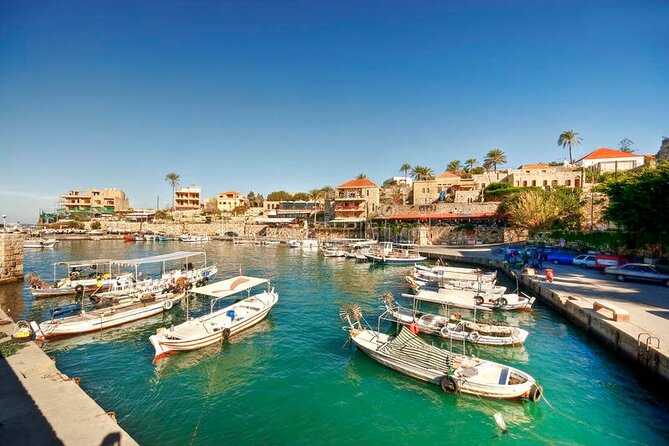
Byblos is the longest stop, with about two hours allocated to the town and its historic area. The city has been inhabited since Neolithic times and is closely connected with Phoenician trade and the spread of the Phoenician alphabet.
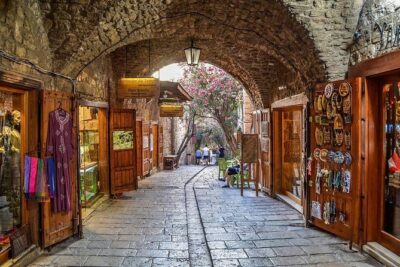
The appeal is the mix of archaeology and ordinary town life. You can walk through old stone streets, see the port, browse the souk, and look across layers of settlement that reach back thousands of years. It feels more varied than a single fenced archaeological site.
Byblos Port is traditionally regarded by Lebanese people as the oldest port in the world. Around 3000 BC, it was an important timber-shipping center in the eastern Mediterranean. You only have about 10 minutes at the port, so think of this as a quick orientation and photo stop rather than a long waterfront visit.
The old souk also receives about 10 minutes. That is enough for a short walk through cobbled lanes and a look at shops selling souvenirs and antiques. It is not enough time for serious shopping, so save purchases for the end of the stop if you want to avoid carrying things through the archaeological area.
Byblos Castle and the archaeological site
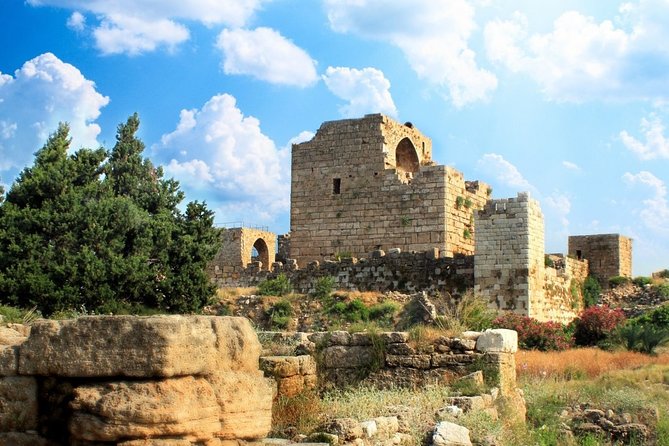
Byblos Castle is the most substantial historical stop in town. The restored 12th-century Crusader fortress sits inside the archaeological area and is surrounded by a dry moat about 10 meters wide. Admission is included.
Climb to the top of the square keep for a broad view over the ruins and toward the sea. From above, you can see Bronze Age dwellings below the castle walls, along with the remains of the Temple of Baalat Gebal and the Temple of the Obelisks.
Inside the castle is a small museum and a room with panels explaining the city’s past. This is where a good local guide matters most. A guide such as the Byblos specialists praised for being funny and clear can help connect the stones to the wider story instead of leaving you to guess what each foundation once was.
You get about an hour at the castle and archaeological site. That is a fair introduction, but the area deserves more time if ancient history is your main interest. Keep your expectations realistic: you will see the key features, hear the main explanations, and get a strong sense of the site, but you will not study every ruin in detail.
The guides and the feel of the day

The guide can make or break a tightly scheduled tour. Names associated with especially strong service include Albert, Fadi, and Hassan. Their praised qualities include humor, patience, clear explanations, careful driving, and willingness to help with practical needs.
Your exact guide may be different, so do not book on the assumption that one named person will lead every departure. Still, the pattern is useful: this tour depends on a guide who can manage timing while keeping the history approachable.
The driver also matters because the day involves mountain roads, city traffic, and several transfers. A calm, helpful driver lets you focus on the views instead of the route. Hotel pickup and drop-off remove much of the usual friction, especially if you are unfamiliar with Beirut.
The maximum group size is 10. That is small enough for a more social, flexible feel, though it is not the same as having a private car and personal schedule.
Is $55 a good price?
At $55 per person, the tour offers good value for a full day. The price includes hotel pickup and return, an air-conditioned vehicle, lunch, a tour leader, a professional guide, Jeita admission, and Byblos Castle admission.
The Telepherique is extra, so factor that into your budget. The lower Jeita boat ride may also depend on operating conditions rather than your ticket alone. Even with that extra cable-car cost, arranging the same day independently would require several rides, entrance payments, and a restaurant stop.
The strongest value comes if you are staying in Beirut and want to see the coast and mountains without renting a car. It is less valuable if you already have transport and prefer to spend a full day in Byblos or Jeita alone.
Free cancellation is available up to 24 hours before the start time. Cancellations within 24 hours are not refunded, and changes during that period are not accepted.
Who should book this tour?
I would choose this tour for a first visit to Lebanon, especially if you have limited time in Beirut and want a broad introduction to the country. It suits people who enjoy a full schedule, want help with transport, and appreciate having a guide explain places that can otherwise feel confusing.
Families, couples, and solo visitors can all fit the format, and most people can participate. You should be comfortable walking through a cave, archaeological site, old streets, and a hilltop shrine during the same day.
I would look elsewhere if you want a slow pace, extensive shopping, or a private itinerary. The tour covers a lot, and each stop has a clock attached to it.
Final verdict: book it for range and convenience
Book this day trip if you want to see Jeita Grotto, Harissa, and Byblos in one efficient outing. The caves provide the biggest visual surprise, Harissa supplies the best elevated views, and Byblos gives the day its strongest historical setting.
Before you pay, confirm the hotel pickup area, the current Telepherique cost, and whether the lower Jeita gallery is open. If you accept those limits, $55 is a sensible price for a well-packed day with transport, lunch, and guiding included.
FAQ
How long does the tour last?
The tour lasts approximately eight hours and starts at 8:00 am.
Is hotel pickup and drop-off included?
Yes. Hotel pickup and drop-off are included in the tour.
How many people can join the tour?
The maximum group size is 10 people.
Is lunch included?
Yes. Lunch is included in the price.
Is the Telepherique cable-car ticket included?
No. The Telepherique admission is not included and must be paid separately.
Is admission to Jeita Grotto included?
Yes. Admission to Jeita Grotto is included.
Is Byblos Castle admission included?
Yes. Admission to Byblos Castle is included.
Can the lower Jeita Grotto gallery always be visited?
No guarantee is provided. The lower gallery may not be open, so the boat ride and lower-cave visit can depend on operating conditions.
What is the cancellation policy?
You can cancel up to 24 hours before the start time for a full refund. Cancellations or changes made less than 24 hours before the experience are not accepted for a refund.
Just added in Beirut
- Guided Small-Group Tour to Qadisha, Bcharee & Cedars with Lunch★ 5.0 · 39 reviews
- Small Group Tours to Baalbek, Anjar & Chateau Ksara with lunch and Tickets★ 5.0 · 29 reviews
- Sidon, Tyre & Maghdouche Day Trip – With Lunch (4G on Board)★ 4.5 · 44 reviews
- Paragliding activity in Lebanon★ 5.0 · 33 reviews
- Jeita Grotto, Byblos and Harissa Full-Day Tour from Beirut★ 5.0 · 23 reviews
- PRIVATE city Tour of authentic Tripoli and vibrant Batroun★ 5.0 · 51 reviews
- Paragliding Trip Over Lebanon – Jounieh Bay★ 5.0 · 257 reviews
- Sidon – Tyre – Maghdouche Trip, From Beirut★ 5.0 · 25 reviews
Lebanon Day Trips, compared.

Guided Small-Group Tour to Baalbek, Anjar and Ksara with Lunch
Read our review →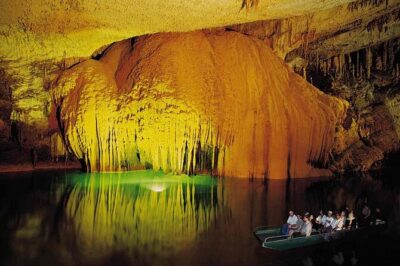
Guided Small-Group Tour to Jeita, Harissa, Byblos with Lunch
Read our review →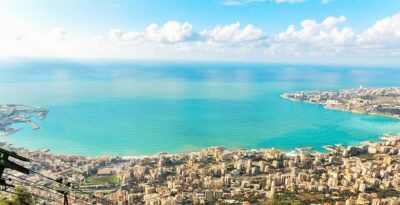
Jeita Grotto,Harissa&Byblos Full-Day PRIVATE-CAR Trip from Beirut
Read our review →
Anjar, Baalbek & Ksara Day Trip – With Lunch (4G on Board)
Read our review →
Byblos, Jeita Grotto & Harissa Day Trip -With Lunch (4G on Board)
Read our review →
Private Anjar and Baalbek Tour from Beirut with Departure Ticket
Read our review →Browse the lists this tour appears in