
Reviewed · TOURS IN BEIRUT
Lebanon Wine Tasting Tour From Beirut
Lebanon’s Bekaa Valley offers a wine day with real character: three wineries, three different approaches, and a long drive from Beirut made easy by hotel pickup. You’ll taste red, rosé, and white wines, learn about arak, and stop for lunch in Zahle. The route also reaches into Lebanon’s old wine-making story, from Phoenician trade to modern family producers.
I like the small-group format, which can make a full day in the car feel more personal, and I like the mix of established names with a family-run producer. Guides such as Robin add extra value when they explain both the wine and Lebanon beyond the tasting room. At $91.03 per person, transport and tastings make the price fair.
The main caution is that the guiding can vary. One strongly negative account described the day as more of a taxi transfer than a guided wine tour, so you should book this for the wineries, scenery, and transport first, not for a guaranteed expert-led lecture at every stop.
Key points to know before you book
- Three wineries in one day: Visit Chateau Heritage, Chateau Ksara, and Chateau Rayak in the Bekaa Valley.
- Chateau Ksara has the strongest historical pull: The winery began in 1857 and helped shape Lebanon’s modern wine industry.
- Robin has earned praise for his guiding: He has been noted for his humor, Lebanon insight, and explanations of Bekaa Valley wine.
- Zahle breaks up the tasting schedule: The tour includes about an hour for lunch at a local restaurant, with the meal not listed as included.
- Hotel pickup keeps the day simple: Round-trip transport from Beirut comes in a climate-controlled vehicle.
- Check the group-size details: The tour is promoted as a small-group experience, with a stated maximum of 15 people and a highlight noting groups limited to 10.
Why the Bekaa Valley makes a worthwhile wine day
The Bekaa Valley is Lebanon’s main wine-producing region, and this tour gives you a practical way to reach it from Beirut without arranging a car. The drive, tastings, and lunch stretch across about eight hours, with a 9:00 a.m. start and return to the original meeting point.
You are not simply moving between tasting rooms. The route connects wine with Lebanon’s older cultural story. The country’s wine tradition reaches back thousands of years, and local accounts link the spread of grape varieties to the Phoenicians. References to Noah, Naboth, Christ, Saint Paul, and the Roman temple at Baalbeck appear in the history presented at Chateau Heritage.
That does not mean every stop will deliver a formal history lesson. The quality of explanation depends partly on your guide. A good guide can turn the drive into useful context about the Bekaa Valley, local drinks, and Lebanon’s past. Robin has been singled out for doing exactly that, with a mix of information and humor.
For me, that is an important part of the value. Wine tasting can become a string of glasses and gift shops if the wider setting is ignored. Here, the region gives the day a stronger sense of place.
A few more things to do in Beirut worth a look
- Private Panoramic Amman Tour and Local Lunch or Dinner-Wine Taste
★ 5.0 · 32 reviews
Chateau Heritage and Lebanon’s old wine tradition
The first stop, Chateau Heritage, introduces you to the long story of wine-making in Lebanon. The winery was established in 1888 by the Touma family in Kab Elias, a small town in the Bekaa Valley. The family produced wine and arak, Lebanon’s national alcoholic drink.
This is a useful opening stop because it places wine beside arak rather than treating wine as the only drink that matters. Arak is a distilled spirit, and its presence at a Lebanese winery helps explain how local drinking traditions extend beyond grapes made into table wine.
The historical background is also broader than the building itself. The Phoenicians are believed to have carried grape varieties across the Mediterranean, possibly contributing to vines that later spread through Europe. You should treat some of the ancient claims as part of Lebanon’s long cultural narrative rather than expect a museum-style presentation with every point documented in detail.
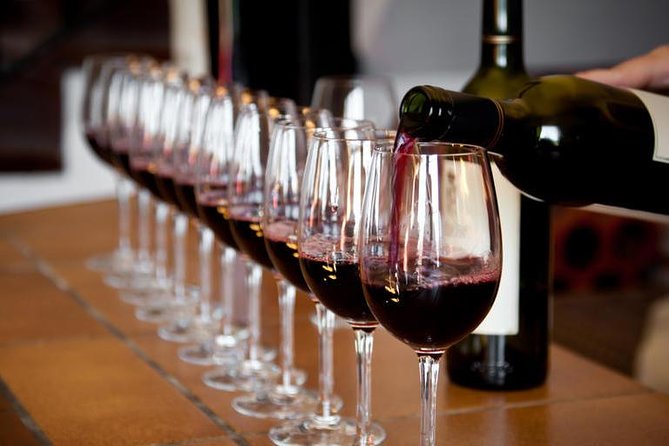
The visit lasts about an hour, and admission is included. Expect a tasting that may include Lebanese red, rosé, and white varieties across the day, though the supplied details do not assign specific wines to each winery.
This stop will suit you if you enjoy the story behind a bottle. If you mainly want a large modern cellar and a long technical tasting, Chateau Heritage may feel more focused on family tradition and local identity.
Chateau Ksara, Lebanon’s oldest winery
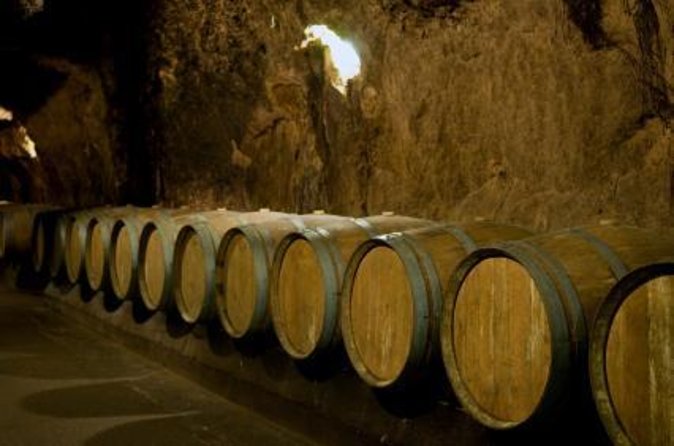
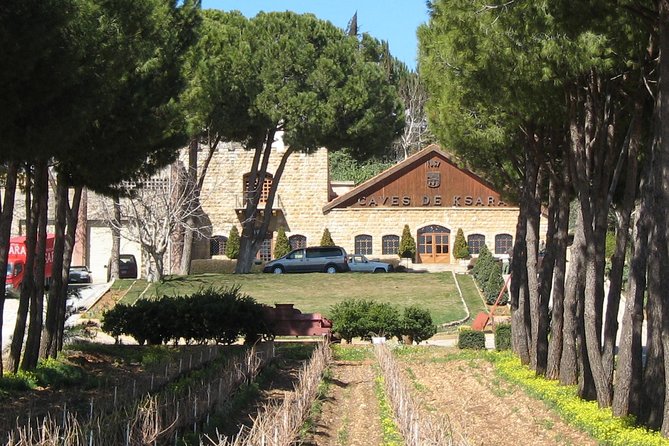
Chateau Ksara is the most historically significant stop on the route. Jesuit fathers began working a 25-hectare plot here in 1857, producing what is described as Lebanon’s first non-sweet red wine. Their work helped establish the modern Lebanese wine industry.
The name comes from ksar, meaning a fortress, a reference to the site’s past connection with the Crusades. That name gives the visit a sense of place, even if your main interest is still the wine in your glass.
Ksara produces a broad selection: red, sweet, dry white, rosé, and arak. This range makes the tasting useful for anyone trying to understand how Lebanese producers handle different styles. You can compare the fuller character of red wine with lighter white and rosé options, then see how arak fits into the local drinking culture.
The stop lasts about an hour, with admission included. Because the winery is such an established name, this is likely to be the most structured part of the route. Still, the tour information does not promise a private cellar visit or a long technical class, so keep your expectations practical.
I would pay close attention here to the differences between the wine styles rather than rushing to choose a favorite bottle. If you are new to Lebanese wine, this is the place to get a broad first impression.
Lunch in Zahle gives the day a needed pause
After two winery visits, the tour stops in Zahle for about an hour at a local restaurant. Lunch is not listed as included, so budget separately for the meal.
This break matters more than it may seem. A full day of tastings needs a pause, and Zahle divides the schedule into two manageable halves. It also gives you time to eat before the final winery, rather than treating the entire day as a series of samples in quick succession.
The supplied details do not specify the restaurant, menu, or exact lunch price. That means you should not book this tour expecting a particular dish or a prepaid meal. Instead, think of Zahle as a practical local stop included in the route.
The town is also tied to the Bekaa Valley setting, so the stop keeps you in the region rather than sending you immediately back toward Beirut. Your guide may add local context, but the exact amount of commentary can vary.
Same base, a different sort of day:
- Guided Small-Group Tour to Baalbek, Anjar and Ksara with Lunch
★ 5.0 · 511 reviews - Guided Small-Group Tour to Jeita, Harissa, Byblos with Lunch
★ 5.0 · 361 reviews - Paragliding Trip Over Lebanon – Jounieh Bay
★ 5.0 · 257 reviews - Jeita Grotto,Harissa&Byblos Full-Day PRIVATE-CAR Trip from Beirut
★ 5.0 · 222 reviews
Chateau Rayak brings a family touch
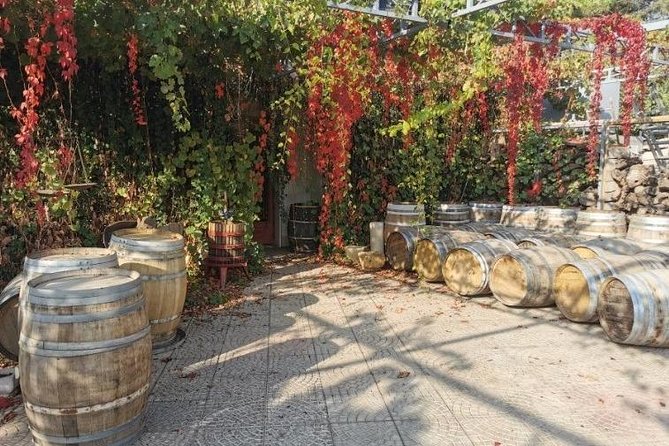
The final winery is Chateau Rayak, where you learn how a family producer combines traditional methods with current technology. The winery makes several wines from grapes grown in the Bekaa Valley.
This is a good choice for the final stop because it brings the day back to the people behind the bottles. After seeing the older and more established side of Lebanese wine at Ksara, you get a look at a family approach that still uses modern production tools.
The visit is scheduled for two hours, making it the longest winery stop. That extra time gives the final tasting more room, and one account specifically praised this third winery as the best part of the day. If you care about personal stories and production methods, you may find Chateau Rayak more engaging than a larger commercial operation.
The available details do not state exactly which facilities you will enter or how much of the production process you will see. You should expect an explanation of the family’s methods and a tasting, but not assume a full behind-the-scenes winery tour.
What the $91.03 price really covers
At $91.03 per person, the tour is priced as a convenient full-day outing rather than just a tasting appointment. You receive round-trip transport from Beirut, access to three wineries, and included wine tastings. A climate-controlled vehicle is especially useful for a long day outside the city.
The price looks strongest if you are traveling without a rental car. Reaching three Bekaa Valley wineries independently would take more planning, and a designated driver is an obvious concern when alcohol is involved. The included transport removes both problems.
Lunch is separate, and the details do not identify other possible personal expenses. You should also remember that the tour is non-refundable and cannot be changed after booking. That policy makes it important to confirm your date and plans before paying.
The value drops if you want a formal wine course led by a specialist at every stop. One unhappy account described the experience as a transfer service rather than the guided wine education expected. That warning is worth taking seriously. The tour clearly includes transportation and winery visits, but the depth of commentary is not guaranteed at each location.
Group size, guides, and the human factor
The tour is promoted as a small-group experience, with a maximum stated elsewhere as 15 people and a highlight describing groups limited to 10. Since those numbers do not match perfectly, ask for the expected group size if that matters to you.
A smaller group can make a major difference at tastings. You have a better chance of hearing the guide, asking questions, and avoiding the slow shuffle that comes with a large bus group. Some departures may be much smaller. One booking had only two people, which made the outing feel almost private.
The named guide most closely associated with the positive feedback is Robin. He has been described as informative about the Bekaa Valley and Lebanese wine, with a good sense of humor and useful insight into both historic and modern Lebanon.
There was also a case in which a vehicle problem forced the organizer to bring in another guide. That replacement guide was described as excellent, but the incident shows that the exact person and vehicle can change. I would treat the guide as an important bonus, not the sole reason to book.
The best attitude is simple: come ready to ask questions. Ask what makes a Lebanese red different from the white or rosé, how arak is made, and which bottles reflect the Bekaa Valley most clearly. A willing guide can make the day far better.
Who should book this Lebanese wine tour
I would recommend this experience to you if you want an easy day outside Beirut and enjoy wine as part of a wider cultural trip. It works particularly well for couples, small groups, and first-time visitors who do not want to arrange transport to three wineries.
It is also a good fit for anyone curious about Lebanese wine but unsure where to start. The route gives you a broad sample of producers and styles without asking you to choose wineries on your own.
You may want something else if you are a serious wine student seeking detailed vineyard data, grape-by-grape instruction, or a guaranteed specialist guide. The itinerary is built around access and variety, not an advanced certification-style tasting.
The tour may also feel long if you do not enjoy several hours of driving and multiple winery stops. The Bekaa Valley is not just around the corner from Beirut, and the eight-hour schedule is part of the trade-off for seeing three producers in one day.
Practical details for a smoother day
Pickup is offered from Beirut, and the activity begins at 9:00 a.m. It ends back at the meeting point after the full day. Confirm your pickup details when booking, since the stated start point is Beirut rather than a named hotel.
Wear comfortable clothing for a day that combines vehicle time, winery visits, and a restaurant stop. The vehicle is climate-controlled, which helps during the drive, but the exact winery conditions are not specified.
Tastings include red, rosé, and white wine, and arak is part of the product range at least at Chateau Heritage and Chateau Ksara. Pace yourself. You are tasting across three stops, not trying to finish every glass.
Bring enough money for lunch in Zahle. Also remember that the tour cannot be refunded or amended, so check the date carefully before booking.
Should you book it?
Book this tour if you want three Bekaa Valley wineries, round-trip Beirut transport, and a simple introduction to Lebanese wine for a reasonable price. Chateau Ksara gives the day historical weight, Chateau Heritage adds family tradition and arak, and Chateau Rayak offers a more personal final stop.
I would book with moderate expectations about the guiding. Robin or another strong guide can add a great deal, but the experience may sometimes function mainly as transportation between wineries. If that arrangement suits you, the tour offers a useful and good-value day beyond Beirut. If you need a fully guided wine seminar, choose a more specialized option.
FAQ
How long does the Lebanon wine tour last?
The tour lasts approximately eight hours, beginning at 9:00 a.m. and returning to the meeting point in Beirut.
How many wineries are included?
The route includes three wineries: Chateau Heritage, Chateau Ksara, and Chateau Rayak.
Are wine tastings included in the price?
Yes. Included tastings cover red, rosé, and white wine. Chateau Heritage and Chateau Ksara also produce arak, Lebanon’s national drink.
Is lunch included?
No. The tour includes an approximately one-hour lunch stop at a local restaurant in Zahle, but lunch is not listed as included.
Is transportation provided from Beirut?
Yes. Pickup and drop-off are offered in Beirut, with round-trip transport in a climate-controlled vehicle.
What is the maximum group size?
The activity information states a maximum of 15 people, while the highlights describe the group as limited to 10. Ask about the expected group size for your departure if this is important to you.
Just added in Beirut
- Semi-Private Tour to Jeita Grotto, Harissa & Byblos with Lunch★ 5.0 · 52 reviews
- Guided Small-Group Tour to Qadisha, Bcharee & Cedars with Lunch★ 5.0 · 39 reviews
- Small Group Tours to Baalbek, Anjar & Chateau Ksara with lunch and Tickets★ 5.0 · 29 reviews
- Sidon, Tyre & Maghdouche Day Trip – With Lunch (4G on Board)★ 4.5 · 44 reviews
- Paragliding activity in Lebanon★ 5.0 · 33 reviews
- PRIVATE city Tour of authentic Tripoli and vibrant Batroun★ 5.0 · 51 reviews
- Paragliding Trip Over Lebanon – Jounieh Bay★ 5.0 · 257 reviews
- Jeita Grotto, Byblos and Harissa Full-Day Tour from Beirut★ 5.0 · 23 reviews
Tours in Beirut, compared.
Guided Small-Group Tour to Baalbek, Anjar and Ksara with Lunch
Read our review →
Guided Small-Group Tour to Jeita, Harissa, Byblos with Lunch
Read our review →
Jeita Grotto,Harissa&Byblos Full-Day PRIVATE-CAR Trip from Beirut
Read our review →
Anjar, Baalbek & Ksara Day Trip – With Lunch (4G on Board)
Read our review →
Byblos, Jeita Grotto & Harissa Day Trip -With Lunch (4G on Board)
Read our review →Browse the lists this tour appears in