
Reviewed · TOURS IN BEIRUT
PRIVATE city Tour of authentic Tripoli and vibrant Batroun
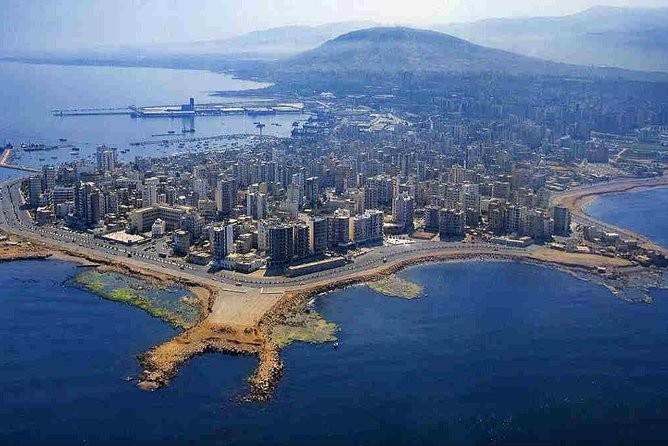
Tripoli’s old souks and Batroun’s Phoenician shoreline show two very different sides of northern Lebanon in one day. You move from workshops, fortress walls, and pastry counters to a small coastal town filled with old stone, cafés, beaches, breweries, and wineries. Dave or David, the guide, is a major part of the experience, bringing in Lebanese history, daily life, and personal stories along the road.
I like the strong mix of culture and food, especially the stop at Hallab 1881, where Lebanese sweets have been made since 1881. I also like the small-group format, with no more than 15 people and hotel pickup included. The main drawback is pace: six to seven hours is enough for a good introduction, but not enough for a slow, detailed exploration of every corner of Tripoli and Batroun.
What makes this northern Lebanon day special
- Tripoli’s old souks: Walk through working market streets where local crafts and traditional trades remain part of daily life.
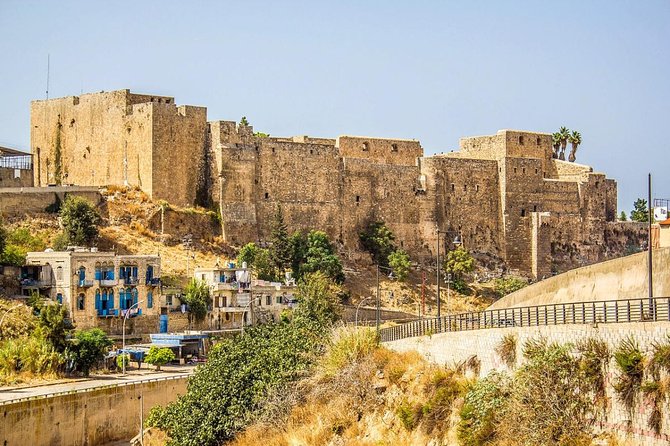
- Citadel Saint Gilles: Explore a Crusader fortress with Ottoman, Mamluk, and Crusader gateways, a moat, information panels, and a small museum.
- Hallab 1881 sweets: Taste a wide range of Lebanese pastries and learn about their flavors from the shop’s chef.
- Batroun’s Phoenician wall: See an old coastal defense structure in a town known for beaches, cafés, breweries, wineries, and old streets.
- Guide-led context: Dave is praised for explaining difficult parts of Lebanese history in clear, easy-to-follow terms.
- Simple day-trip logistics: Hotel pickup and drop-off, fuel surcharge, local taxes, and a driver-guide are included in the $113.34 price.
Tripoli and Batroun in one long morning and afternoon
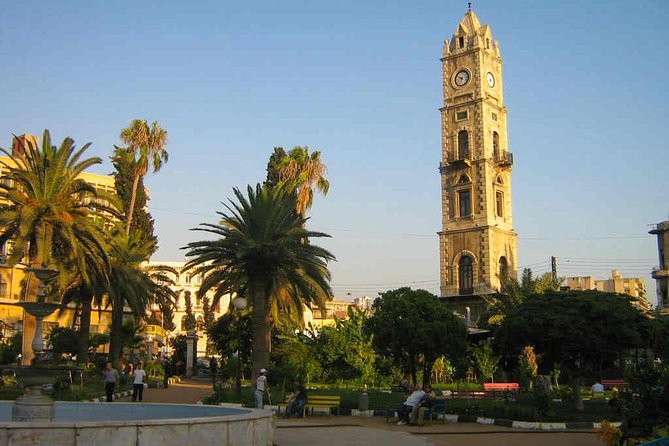
This is a private city tour built around contrast. Tripoli is the more intense stop, with its old souks, fortress, and famous pastry culture. Batroun is slower and more coastal, with Phoenician remains and time to take in cafés and seaside views.
The tour starts at 9:00 a.m. in Beirut and lasts about six to seven hours. That timing matters. You get a full day without committing to a very late return, though the precise amount of time at each site can depend on traffic and the group. Pickup and drop-off at your hotel remove one of the harder parts of arranging a northern Lebanon day trip on your own.
The group limit is 15 people. That is small enough for questions and conversation, though the word private should not automatically lead you to picture a one-couple custom itinerary. The experience requires a minimum number of participants to operate, so confirm availability when booking.
More City Tours in Beirut:
- City Sightseeing Beirut Hop-On Hop-Off Bus Tour
★ 4.5 · 87 reviews - Dubai: City Sightseeing HOHO Bus Tour + Sunset & Night Tour
★ 4.3 · 6,442 reviews - Dubai Old and Modern City Tour with Blue Mosque Visit
★ 5.0 · 3,624 reviews
Batroun’s Phoenician wall and old coastal character
Batroun is the gentler opening or closing note of the day, depending on the route used. The main visit lasts about 45 minutes and centers on the Phoenician wall, with free admission.
The wall gives you a direct connection to Batroun’s ancient past, but the town is not only an archaeological stop. Its old streets, bed-and-breakfasts, beaches, breweries, wineries, and cafés give it a relaxed coastal feel. That variety helps explain why Batroun works well beside Tripoli. You are not seeing two similar historic centers. You are seeing one northern city shaped by trade and urban life, then a seaside town with a calmer rhythm.
Forty-five minutes is enough to see the wall and get a sense of the town, but it is not a long Batroun visit. You should not expect a full beach break, winery visit, or extended café stop within that scheduled time. If Batroun is your main reason for booking, ask how much free time is planned there before you reserve.
I like this stop because it gives the day breathing room. After Tripoli’s dense streets and large fortress, Batroun lets you slow down, look toward the sea, and notice how northern Lebanon changes from city to coast.
Citadel Saint Gilles, Tripoli’s great stone landmark
The Citadel Saint Gilles, also called Qal’at Sinjil, is the most imposing historic stop. The fortress rises above Tripoli and the river, and the visit lasts about one hour. Admission is included.
The site began in 1103 or 1104 during the Crusader period. It was burned in 1297 and partly rebuilt in the following century by a Mamluk emir. The fortress is still used by the Lebanese military, an important detail because it reminds you that this is not a preserved monument sealed off from modern life.
The entrance is the visual highlight. You pass a moat and three gateways connected to different periods: one Ottoman, one Mamluk, and one Crusader. Inside, information panels and a small museum help place the stonework in context.
I appreciate that the citadel is not treated as a quick photo stop. A guide such as Dave can connect the building to the larger story of Tripoli and Lebanon, including the complicated changes of power that shaped the region. Several parts of Lebanese history can be hard to follow when presented as a list of dates. Dave’s strength, according to the supplied feedback, is using clear comparisons and personal explanation to make those issues easier to understand.
The footing and walking deserve some thought. The tour asks for a moderate level of physical fitness, and one account specifically notes walking in hot weather. Wear sensible shoes, bring water, and use sun protection. Smart-casual clothing is requested, which is a practical choice for a day that combines historic sites, market streets, and a pastry shop.
Tripoli’s old souks, where the city feels most real
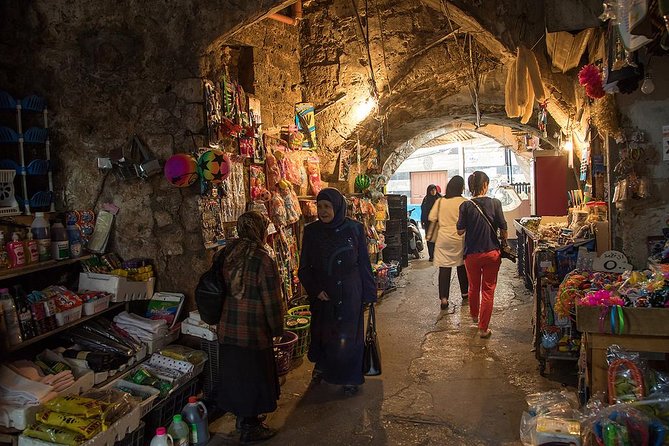
The old souks are the heart of the Tripoli portion. This is where you see the city as a living place rather than a collection of monuments. Narrow market streets, local craftsmen, shops, and food stalls create a setting that feels quite different from Beirut’s more international atmosphere.
The appeal is not polished sightseeing. You may see working trades and ordinary shopping alongside historic buildings. That is exactly why the stop matters. The souks offer a better sense of local routines than a quick drive past a landmark can provide.
Plan to pay attention to the small details. Look at the tools used by craftsmen, the way goods are displayed, and the transition from one market area to another. Your guide can help explain what you are seeing, which is especially useful when the street scene feels busy or unfamiliar.
The tradeoff is comfort. Walking in warm weather can be tiring, and the souks are not designed like a modern visitor center. You will want water, comfortable shoes, and a little patience. This is not the part of the day for rushing through with a checklist.
The visit is also one reason a guide adds value. A driver can take you to Tripoli, but a local guide can explain the city’s character, its recent difficulties, and the difference between northern Lebanon and Beirut. Dave is repeatedly praised for discussing both older history and present-day life, rather than giving only a standard monument talk.
Same base, a different sort of day:
- Guided Small-Group Tour to Baalbek, Anjar and Ksara with Lunch
★ 5.0 · 511 reviews - Guided Small-Group Tour to Jeita, Harissa, Byblos with Lunch
★ 5.0 · 361 reviews - Paragliding Trip Over Lebanon – Jounieh Bay
★ 5.0 · 257 reviews - Jeita Grotto,Harissa&Byblos Full-Day PRIVATE-CAR Trip from Beirut
★ 5.0 · 222 reviews
Hallab 1881 and the serious business of Lebanese sweets
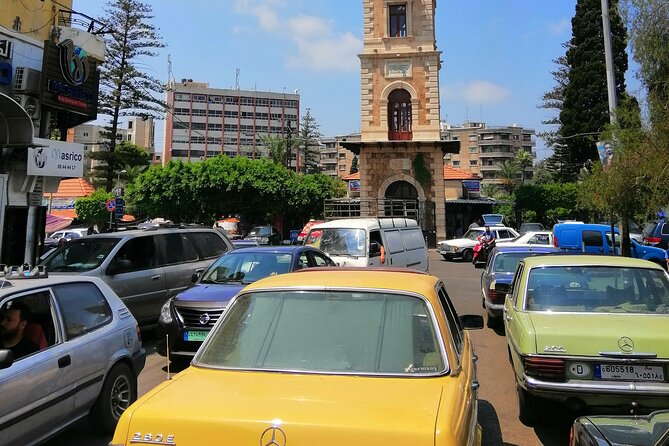
The stop at قصر الحلو Hallab 1881 lasts about one hour and includes admission. The family business began in 1881, and the shop is known for a wide range of Lebanese and oriental sweets.
This is more than a quick sample at the end of a tour. The pastry counter is part of Tripoli’s identity, and the chef is available to explain the different flavors. You can expect more than baklava, with a broad selection of pastries and sweets made in different styles.
This stop works well after the souks because it connects food to place. Lebanese sweets are not an afterthought here. They are a long-running local craft, and the presentation gives you a chance to see how much variety exists beyond the familiar pastries found outside Lebanon.
I would save room for this visit. The one-hour stop may include tasting, explanation, and time to decide what you want to buy. If you have a sweet tooth, this could be the most memorable part of the day. If you do not, the chef’s explanation still gives you a useful look at one of Tripoli’s best-known traditions.
Lunch is not included. That matters because sweets are not a substitute for a proper midday meal. You should plan to ask the guide how lunch fits into the day, since the supplied schedule lists no specific restaurant or lunch stop. The $113.34 price covers the tour services and listed inclusions, but not your meal or personal purchases.
What Dave adds to the drive
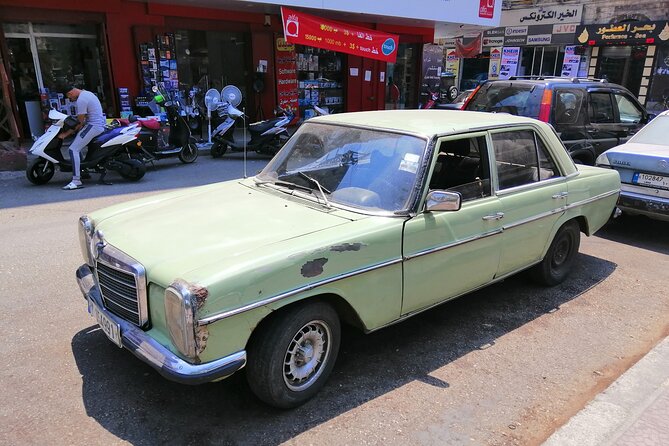
The guide may be the most valuable part of this experience. The supplied feedback repeatedly praises Dave, also referred to as David, for his passion for Lebanon, strong English, humor, and ability to explain both history and everyday life.
That makes the drive between Beirut, Tripoli, and Batroun useful rather than dead time. You can ask questions about Lebanese culture, recent events, and the places you are passing. One particularly distinctive detail is that Dave is a musician and has sometimes entertained people during the return drive.
His approach also seems flexible. A participant who requested a particular attraction was able to have it added, and another person received the tour even after the rest of the group canceled. Those details suggest personal attention, but they should not be treated as a guarantee. Ask in advance about special requests, and remember that the tour still requires a minimum number of participants to operate.
The guide’s personal connection to Lebanon is part of the appeal. You are not simply being handed dates and architectural labels. You are being given a local explanation of a country that has faced serious difficulties and has several layers of identity. That can make the day more meaningful, but it also means you should expect conversation, questions, and context rather than a silent sightseeing shuttle.
Is $113.34 a fair price?
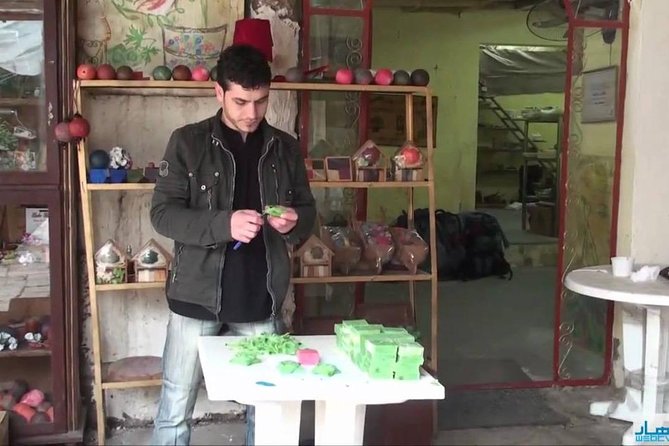
At $113.34 per person, the price is reasonable if you value transportation and a guide. Fuel, local taxes, hotel pickup and drop-off, and a driver-guide are included. Admission to Citadel Saint Gilles and Hallab 1881 is also included.
The price buys convenience as much as sightseeing. You do not need to arrange a car for the trip north, work out where to park, or manage the route between three different stops. You also gain local interpretation, which is especially useful in Tripoli, where the value of the visit comes from understanding the city as much as looking at its buildings.
The cost is less attractive if you want a completely flexible private itinerary. The scheduled duration is only six to seven hours, lunch is extra, and Batroun receives about 45 minutes in the stated plan. For a slow food tour, a long beach afternoon, or a detailed archaeological visit, you would need a different arrangement.
Group discounts are available. Mobile tickets are supported. The experience is often booked about nine days ahead, so last-minute availability should not be assumed, especially during periods of high demand.
Who will get the most from this tour?
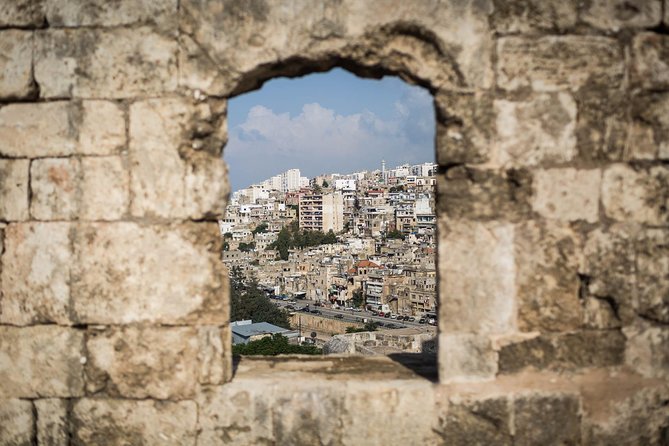
I would choose this tour if you want a clear introduction to northern Lebanon without spending several days organizing transport. It suits first-time visitors who want history, food, city life, and the coast in one outing.
It is also a good fit for solo visitors who prefer the reassurance of a structured day. One person specifically described feeling comfortable with the professional setup and small touring vehicle. The limited group size can make it easier to ask questions and speak with the guide.
This tour is less suitable if you dislike walking, hot weather, or a fairly full schedule. The old souks and citadel require movement, and the itinerary does not leave much room for lingering at every stop. It is also not ideal for someone whose main goal is a long beach stay or a leisurely winery visit in Batroun.
Bring water, sun protection, comfortable shoes, and room in your bag for sweets. Dress smart casual. If you need a particular attraction or have food concerns, raise the issue before the day begins.
Booking, cancellation, and practical details
The start time is 9:00 a.m., with hotel pickup and drop-off provided. Confirmation is normally received at booking, but bookings made within 12 hours of departure are confirmed as soon as possible and remain subject to availability.
Free cancellation is available up to 24 hours before the start time for a full refund. Cancellations or changes made within 24 hours are not accepted for a refund. The cut-off follows local time.
The tour has a maximum of 15 people and requires a minimum number to operate. Those conditions are worth checking before you build your entire Beirut schedule around the day.
Should you book the Tripoli and Batroun tour?
I would book it if you want context, local food, and a practical route north rather than a slow, self-guided day. The combination of Tripoli’s souks, Citadel Saint Gilles, Hallab 1881, and Batroun’s Phoenician wall gives you a useful range of experiences in one outing.
The strongest reason to choose it is Dave or David. His role goes beyond driving, with explanations of Lebanese history, personal stories, humor, and attention to individual requests. The main caution is pace. You will see important highlights, but you will not have hours to wander, eat a full lunch, and explore every café or beach.
For a first visit to northern Lebanon, the value is strong. Book it when you want the day organized for you, but arrive ready to walk, listen, taste plenty of sweets, and accept that Tripoli and Batroun each deserve more time than one day can give.
FAQ
What is the tour’s starting time?
The tour starts at 9:00 a.m.
How long does the tour last?
The experience lasts approximately six to seven hours.
Where does the tour take place?
The tour begins in Beirut and visits Tripoli and Batroun in northern Lebanon.
Is hotel pickup included?
Yes. Hotel pickup and drop-off are included.
Is transportation included?
Yes. The listed inclusions cover a driver-guide, fuel surcharge, and local taxes.
Is lunch included?
No. Lunch is not included in the tour price.
How many people can join the tour?
The tour has a maximum of 15 participants. A minimum number of guests is required for the activity to operate.
What is included at Citadel Saint Gilles?
Admission to Citadel Saint Gilles is included. The visit lasts about one hour and includes access to the fortress area, information panels, and a small museum.
How long is the Batroun stop?
The stated visit to Batroun’s Phoenician wall lasts about 45 minutes. Admission is free.
Can I cancel for a full refund?
Yes. You can cancel at least 24 hours before the local start time for a full refund. Cancellations or changes made less than 24 hours before the start time are not refunded.
Just added in Beirut
- Semi-Private Tour to Jeita Grotto, Harissa & Byblos with Lunch★ 5.0 · 52 reviews
- Guided Small-Group Tour to Qadisha, Bcharee & Cedars with Lunch★ 5.0 · 39 reviews
- Small Group Tours to Baalbek, Anjar & Chateau Ksara with lunch and Tickets★ 5.0 · 29 reviews
- Sidon, Tyre & Maghdouche Day Trip – With Lunch (4G on Board)★ 4.5 · 44 reviews
- Paragliding activity in Lebanon★ 5.0 · 33 reviews
- Jeita Grotto, Byblos and Harissa Full-Day Tour from Beirut★ 5.0 · 23 reviews
- Paragliding Trip Over Lebanon – Jounieh Bay★ 5.0 · 257 reviews
- Sidon – Tyre – Maghdouche Trip, From Beirut★ 5.0 · 25 reviews
Tours in Beirut, compared.

Guided Small-Group Tour to Baalbek, Anjar and Ksara with Lunch
Read our review →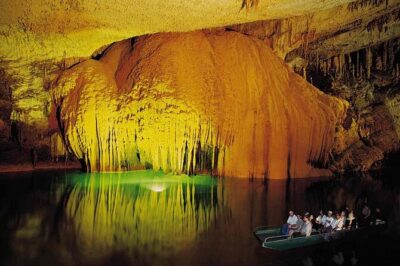
Guided Small-Group Tour to Jeita, Harissa, Byblos with Lunch
Read our review →
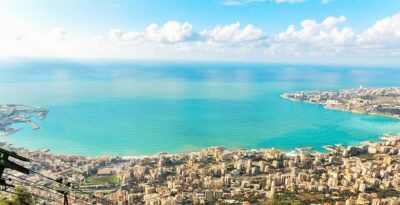
Jeita Grotto,Harissa&Byblos Full-Day PRIVATE-CAR Trip from Beirut
Read our review →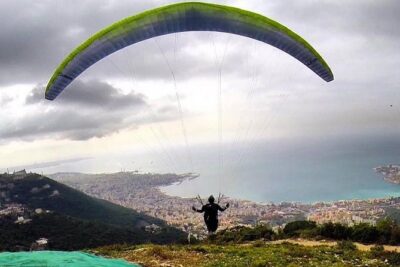
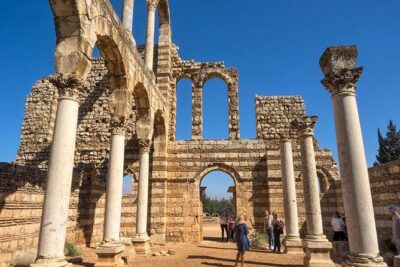
Anjar, Baalbek & Ksara Day Trip – With Lunch (4G on Board)
Read our review →
Byblos, Jeita Grotto & Harissa Day Trip -With Lunch (4G on Board)
Read our review →Browse the lists this tour appears in