
Reviewed · LEBANON DAY TRIPS
Small Group Tour to Jeita Grotto, Harisa & Byblos with Hotel pickup
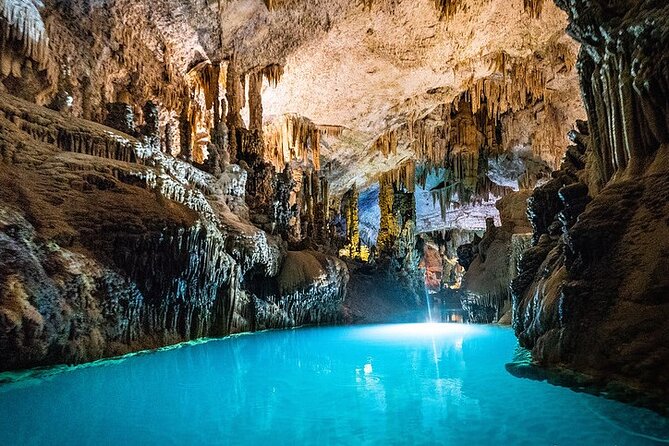
Jeita Grotto, a mountaintop shrine, and ancient Byblos make a strong trio for one day outside Beirut. You get caves, sweeping views, churches, Roman and Phoenician remains, a souk, and a seaside port without arranging your own car.
I like the hotel pickup and the small group, capped at 15 people. I also like the mix of sights: the glittering cave formations feel dramatic, Harissa brings a calm religious and scenic stop, and Byblos gives you Lebanon’s oldest layers in one walk.
The main catch is cost clarity. The advertised price is very low, but Jeita Grotto, the Harissa cable car, and Byblos Castle are not included. The tour can also feel more like transport with short commentary than a fully guided history lesson.
Key points to know before booking
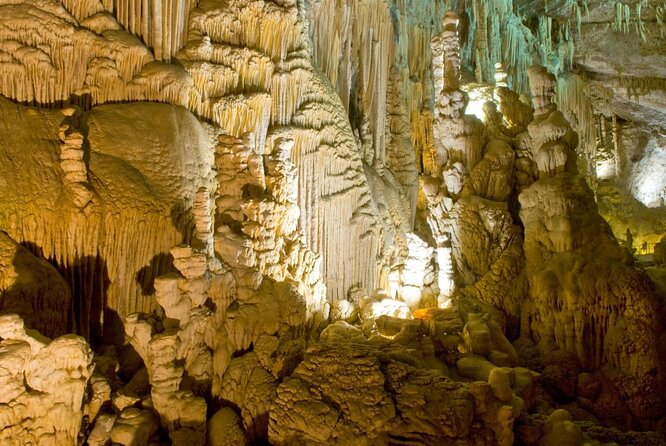
- Jeita Grotto combines two cave levels, with crystal formations above and an underground river below.
- Harissa’s cable car is a highlight, carrying you above Jounieh Bay to the Our Lady of Lebanon shrine.
- Byblos packs a lot into two hours, including ancient ruins, a Crusader castle, old streets, and the port.
- Hotel pickup and air-conditioned transport remove much of the day-trip hassle from Beirut.
- Guiding style can be light, so you should be comfortable exploring some stops on your own.
- The $10 price is only the starting point, since several major admissions are extra.
Why this Beirut day trip works so well
Lebanon puts several major sights within reach of Beirut, but the roads and distances can make independent sightseeing awkward. This tour solves the basic problem: a vehicle collects you at your hotel, carries you north along the coast, and returns you after a full day out.
You spend about eight hours on the experience. That includes driving between sites, so this is not eight hours of uninterrupted touring. Still, the route is well chosen. Jeita Grotto gives you natural drama, Harissa gives you a high view over the coast, and Byblos supplies the ancient streets and archaeological remains.
The small-group format matters. A maximum of 15 people is easier to manage than a large coach, especially at hotel pickup and at busy sites. You also get an air-conditioned vehicle, a practical benefit on a long Lebanese day in the sun.
The guide role seems to vary by departure. Albert is described as both friendly and well informed, and Hassan has also led departures. The best version of this trip gives you useful explanations without filling every minute with talk. At other times, the driver may mainly move you from point to point, leaving you to explore independently.
That is not necessarily a weakness. If you like setting your own pace inside a site, it can be a good fit. If you expect a detailed archaeological tour with a guide beside you at every stop, adjust your expectations.
More Lebanese day trips from Beirut:
- Guided Small-Group Tour to Baalbek, Anjar and Ksara with Lunch
★ 5.0 · 511 reviews - Guided Small-Group Tour to Jeita, Harissa, Byblos with Lunch
★ 5.0 · 361 reviews - Jeita Grotto,Harissa&Byblos Full-Day PRIVATE-CAR Trip from Beirut
★ 5.0 · 222 reviews
Jeita Grotto: Lebanon’s most striking natural stop
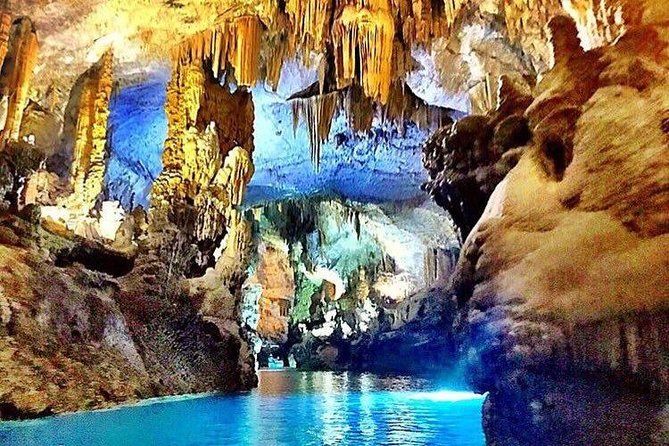
Jeita Grotto is the big visual event of the morning. This is a connected cave system formed in limestone over millions of years, with an upper cave and a lower gallery separated by about 60 meters.
The upper cave extends about 2,130 meters and is known for its stalactites, stalagmites, columns, curtains, draperies, ponds, and mushroom-shaped formations. The lower gallery runs for about 6,200 meters and contains an underground river and lake.
You have around 90 minutes here. That is enough to see the main attractions, but not enough for a slow, lingering visit to every corner. The cave setting is unusual because the two levels offer different experiences. The upper section focuses on the mineral formations, while the lower section is linked to the water system.
Admission is not included. One account put the Jeita ticket at about $8.80, but you should confirm the current amount when booking. The important point is to keep extra cash in your budget. The low tour price can look tempting until you add the site tickets.
Jeita is also the stop where the tour format matters most. You may receive a short explanation and then explore at your own pace. That works well for people who prefer looking, walking, and taking in the formations without constant narration.
Harissa and Our Lady of Lebanon above Jounieh
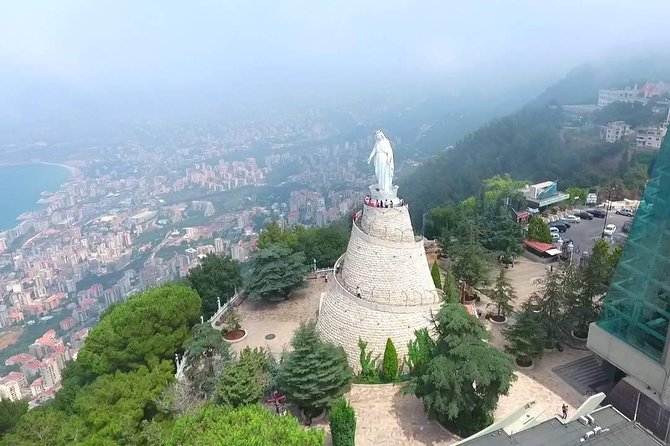
After Jeita, the route continues to Harissa, a major Christian pilgrimage site above Jounieh. The Our Lady of Lebanon shrine is marked by a 15-ton bronze statue of the Virgin Mary, 8.5 meters high and five meters in diameter.
The statue reaches its arms toward Beirut and the Bay of Jounieh. Even if you are not visiting for religious reasons, the location gives this stop real appeal. You are high above the coast, with a broad view over the bay and nearby city.
The shrine visit itself lasts about 30 minutes, followed by a shorter 15-minute look at the churches around Harissa. A large cathedral of concrete and glass sits near the statue, and the area also includes churches from different Christian traditions. The Melkite Greek Catholic Basilica of St. Paul is a notable nearby building, designed in a Byzantine style.
Admission to the shrine and churches is free. That makes Harissa an easy stop in the middle of a ticketed day. It also adds a different kind of interest to the itinerary. Jeita is about geology, while Harissa is about faith, architecture, and the view.
Give yourself enough time to look beyond the statue. The small chapel inside the statue’s base and the nearby religious buildings help explain why Harissa matters to Lebanon. The schedule is short, so this is more of an introduction than a full pilgrimage visit.
The Harissa cable car and its wide coastal view
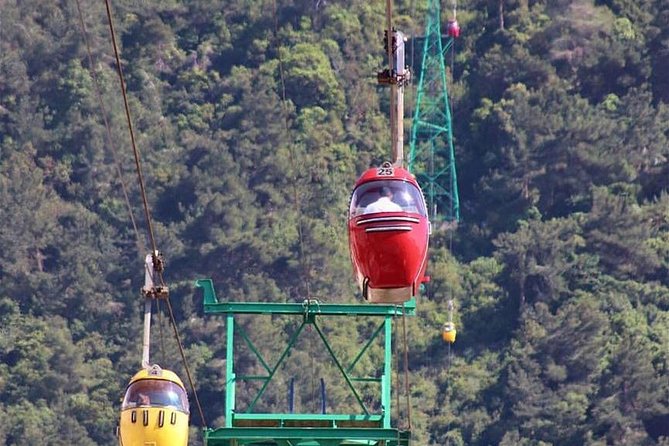
The Telepherique, or Harissa cable car, connects Jounieh with the shrine at an altitude of about 650 meters. The ride passes above steep, pine-covered slopes and opens out toward Jounieh Bay.
The ride takes around 20 minutes within the tour schedule, and the ticket is not included. This is one of the extra costs worth considering because the cable car is not just a way to reach the shrine. It is part of the experience.
You get a view that is difficult to match from the road. The contrast is memorable: the gondola rises from the city and bay toward the religious site above. If heights make you uncomfortable, this is the part of the day to think about in advance. The tour description presents it as a key attraction, but you should still check current operating conditions and ticket prices before departure.
The cable car also gives the day a pleasant change of pace. Much of the tour happens inside a vehicle or on foot among ruins. Here, you simply ride upward and watch the coast widen below you.
Same base, a different sort of day:
- Paragliding Trip Over Lebanon – Jounieh Bay
★ 5.0 · 257 reviews - First Paragliding Club in Lebanon – Since 1992
★ 5.0 · 193 reviews - Anjar, Baalbek & Ksara Day Trip – With Lunch (4G on Board)
★ 4.5 · 181 reviews - Jeita Grotto – Harissa – Byblos Trip
★ 5.0 · 169 reviews
Byblos: Phoenician beginnings and seaside streets
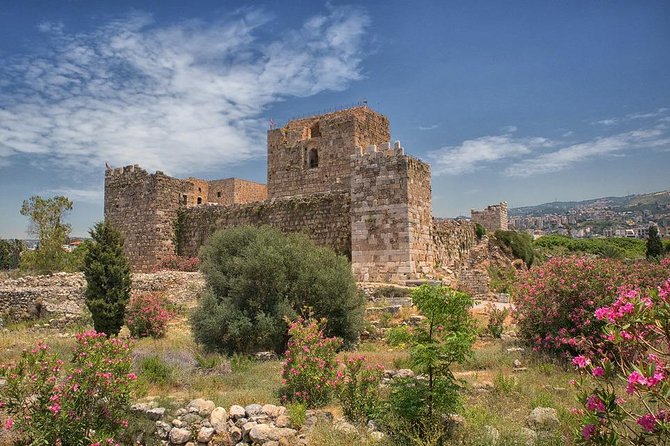
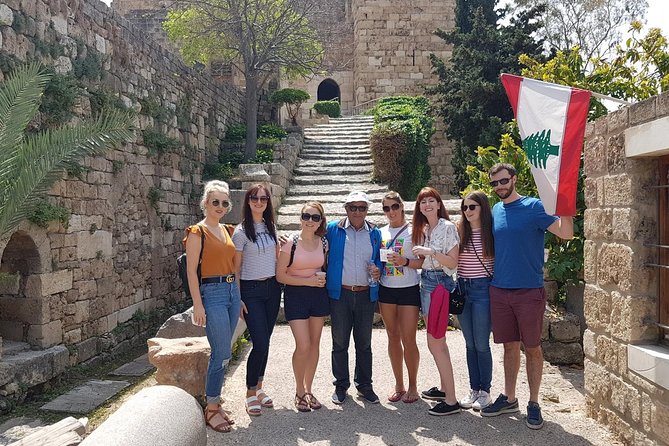
Byblos is the longest stop, with about two hours in the town and archaeological area. It is one of the oldest Phoenician cities and has been inhabited since Neolithic times. The city is closely linked with the Phoenician alphabet and with Mediterranean trade.
You will not understand Byblos by looking at a single ruin. Its appeal comes from the layers packed into a compact area. Ancient religious sites, later fortifications, stone streets, a market area, and the port all sit within a walkable visit.
The archaeological area includes the Temple of Baalat Gebal and the Temple of the Obelisks, along with other remains. The site makes the age of Byblos clear, but it can also feel like a lot to absorb quickly. This is where a good short explanation from the guide helps. Without one, you may mainly see old stones and miss how the city developed over thousands of years.
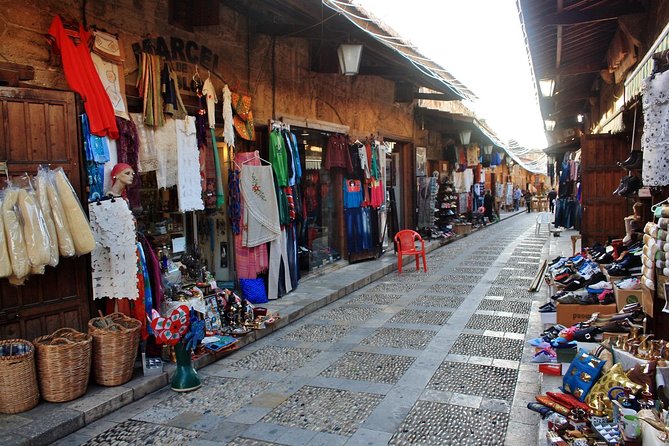
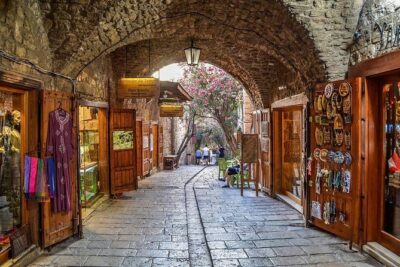
You also have time for the old souk. Its cobbled lanes contain souvenir and antique shops, along with historic-looking buildings. The scheduled visit is only about 10 minutes, so do not expect a long shopping session. It is enough for a quick walk and perhaps a purchase if something catches your eye.
Byblos Castle and the best view of the ruins
Byblos Castle is a restored 12th-century Crusader fortress inside the archaeological area. A dry moat about 10 meters wide surrounds it, and the square keep provides an excellent view over the ruins and toward the sea.
Castle admission is extra. The additional fee is worthwhile if you want a clearer sense of the site’s layout. From the upper level, you can look down on Bronze Age dwellings and across the remains toward the coast.
Inside, there is a small museum and a room with information panels about Byblos. These displays are useful because they let you fill in details that a short tour explanation may not cover.
The scheduled castle visit lasts about an hour, while the wider Byblos stop lasts about two hours. That division makes sense. The castle gives you a strong central viewpoint, while the rest of the time is spent moving through the surrounding ruins and streets.
If you have to choose where to focus, I would give priority to the castle view, the main archaeological remains, and the port. The souk is pleasant, but it is the least essential part if time becomes tight.
Byblos Port and the final coastal pause
Byblos Port is a short stop, around 10 minutes, but it helps connect the city to its commercial past. It is believed in Lebanon to be one of the oldest ports in the world, and around 3000 BC it was an important timber-shipping center in the eastern Mediterranean.
Do not expect a long harbor walk from the schedule. This is a quick look rather than a separate port excursion. Still, it gives you a useful final image of Byblos: a city shaped not only by temples and castles, but also by trade and the sea.
Some departures include time for lunch near the harbor, but lunch itself is not included. Budget separately for food, and remember that the listed price also excludes gratuity. The day is long enough that you will want to plan for a meal, even if the precise lunch arrangement depends on the timing of your group.
What the $10 price really buys you
At $10 per person, the tour looks like an exceptional bargain. The included elements are valuable: hotel pickup and drop-off, air-conditioned transport, a tour leader, and a small group with no more than 15 people.
But the headline price does not cover lunch, gratuity, Jeita Grotto, the Harissa cable car, or Byblos Castle. Those are not minor extras. They are three of the day’s central paid activities.
I would judge the value by asking what you would otherwise spend on transport to three separate destinations. If you are staying in Beirut without a car, the included transfers make this useful even after adding admission fees. You are paying for the route, the vehicle, the pickup service, and the convenience of having the day organized.
The value is weaker if you mainly want a detailed private guide. The tour can provide brief explanations, but it may not offer the depth of a dedicated archaeological guide. The strongest match is someone who wants efficient transport and a good route, then enjoys exploring each place with some freedom.
Timing, group size, and practical expectations
Pickup begins at 8:30 a.m. Hotel pickup is offered, but you should make sure your accommodation details are correct when booking so the collection plan is clear.
The tour lasts about eight hours and includes several stops. Wear comfortable shoes, since Byblos involves uneven historic surfaces and walking through an archaeological area. The day also includes a cable-car ride, stairs or elevated viewpoints at the castle, and outdoor time around Harissa.
Most people can participate, and the maximum group size is 15. The small-group cap should make the day more personal than a large bus outing, but it does not guarantee that every departure will feel like a private tour.
The cancellation policy is generous if your plans change early. You can receive a full refund if you cancel at least 24 hours before the start time. Cancellations or changes made within 24 hours are not refunded or accepted.
Who should book this tour?
I would recommend it to you if you are based in Beirut, want to see several major sights in one day, and do not have a car. It is especially useful for a first visit when you want a broad introduction to Lebanon’s coast north of the capital.
It also suits you if you like variety. The cave, shrine, cable car, castle, souk, and port do not feel like six versions of the same stop. Each changes the mood and gives the day a different focus.
You may want another option if you need long, detailed explanations at every location, or if you dislike paying admission fees separately. You should also think twice if you prefer slow travel. Eight hours is enough to see the highlights, but not enough to linger everywhere.
The strongest departures appear to depend on the person leading the day. Albert is described as offering useful information with a relaxed manner, while Hassan has also been praised for professional handling of the route. Still, the format can be driver-led rather than fully guided, so book this for access and convenience first, and guiding depth second.
Final verdict: a smart route with extra costs
This is a practical way to reach Jeita Grotto, Harissa, and Byblos from Beirut in one day. The route is varied, the hotel transfers save time, and the small group keeps the outing manageable.
My advice is to calculate the full cost before booking. Add Jeita, the cable car, Byblos Castle, lunch, and a tip to the $10 base price. If that total still suits your budget, the tour offers strong value because it handles the transport to three difficult-to-combine sights.
Book it if you want a well-organized day with room to explore independently. Skip it only if a detailed, continuous guide is more important to you than convenience.
FAQ
What time does the tour start?
The tour starts at 8:30 a.m.
How long does the tour last?
The experience lasts approximately eight hours.
Is hotel pickup included?
Yes. Hotel pickup and drop-off are included, along with air-conditioned transportation.
Are admission tickets included?
No. Admission to Jeita Grotto, the Harissa cable car, and Byblos Castle is not included. Lunch and gratuity are also excluded.
How large is the group?
The tour has a maximum of 15 travelers.
Can I cancel for a full refund?
Yes. You can cancel at least 24 hours before the start time for a full refund. Cancellations made less than 24 hours before the tour are not refunded.
Just added in Beirut
- Semi-Private Tour to Jeita Grotto, Harissa & Byblos with Lunch★ 5.0 · 52 reviews
- Guided Small-Group Tour to Qadisha, Bcharee & Cedars with Lunch★ 5.0 · 39 reviews
- Small Group Tours to Baalbek, Anjar & Chateau Ksara with lunch and Tickets★ 5.0 · 29 reviews
- Sidon, Tyre & Maghdouche Day Trip – With Lunch (4G on Board)★ 4.5 · 44 reviews
- Paragliding activity in Lebanon★ 5.0 · 33 reviews
- Jeita Grotto, Byblos and Harissa Full-Day Tour from Beirut★ 5.0 · 23 reviews
- PRIVATE city Tour of authentic Tripoli and vibrant Batroun★ 5.0 · 51 reviews
- Paragliding Trip Over Lebanon – Jounieh Bay★ 5.0 · 257 reviews
Lebanon Day Trips, compared.

Guided Small-Group Tour to Baalbek, Anjar and Ksara with Lunch
Read our review →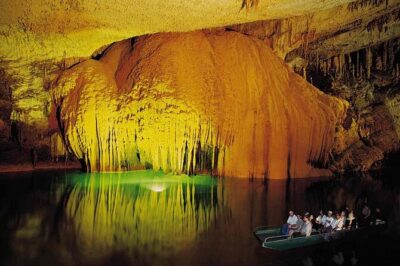
Guided Small-Group Tour to Jeita, Harissa, Byblos with Lunch
Read our review →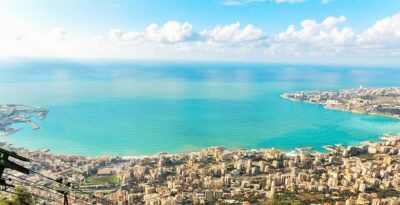
Jeita Grotto,Harissa&Byblos Full-Day PRIVATE-CAR Trip from Beirut
Read our review →
Anjar, Baalbek & Ksara Day Trip – With Lunch (4G on Board)
Read our review →
Byblos, Jeita Grotto & Harissa Day Trip -With Lunch (4G on Board)
Read our review →
Private Anjar and Baalbek Tour from Beirut with Departure Ticket
Read our review →Browse the lists this tour appears in