
Reviewed · WADI RUM DESERT CAMPS
Wadi Rum Short Tours
Wadi Rum is at its best when you get away from the village and into the open desert. This jeep tour packs a lot into two to six hours, reaching red dunes, narrow canyons, ancient inscriptions, and rock arches that are too far apart to see comfortably on foot.
I like the small group limit of six, which should make questions and short stops easier. I also like the chance to add a camel ride, sandboarding, or a hike rather than paying for activities you do not want. The main drawback is simple: a short tour cannot give every stop equal time, so check which route and extras your chosen option includes.
Key points at a glance
- Bedouin tea begins the visit: You are welcomed at the family house in Wadi Rum Village before heading into the desert.
- A lot of scenery in a short time: The jeep links springs, dunes, canyons, arches, and inscription sites across the protected area.
- Small groups matter: The maximum is six people, a useful size for asking about Bedouin culture and the meaning of ancient carvings.
- Optional desert extras: One-hour camel rides cost 10 JD per person, while sandboarding, hikes, and other activities depend on the option you choose.
- Sunset timing is available: An afternoon start can be arranged if watching the sun go down is a priority.
- Good value at $45: The price is reasonable for a private-feeling small-group outing, bottled water, and an English-speaking guide, though lunch costs extra.
Why this short Wadi Rum tour works
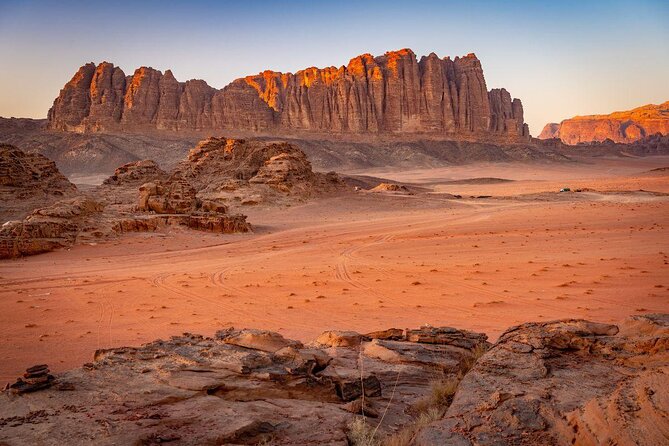
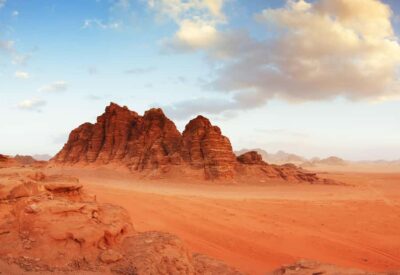
Wadi Rum Protected Area is too spread out for a casual walk between its main sights. A jeep lets you cover more ground quickly, and that is the real point of this outing. You get the broad sweep of the desert, then step out for short walks, climbs, photographs, and explanations.
The setting changes often. One stop gives you a spring below a rocky slope. Another offers a wide red dune. Later, you may squeeze through a sandy canyon or climb onto a natural arch. The variety keeps a short tour from feeling like repeated stops at similar rocks.
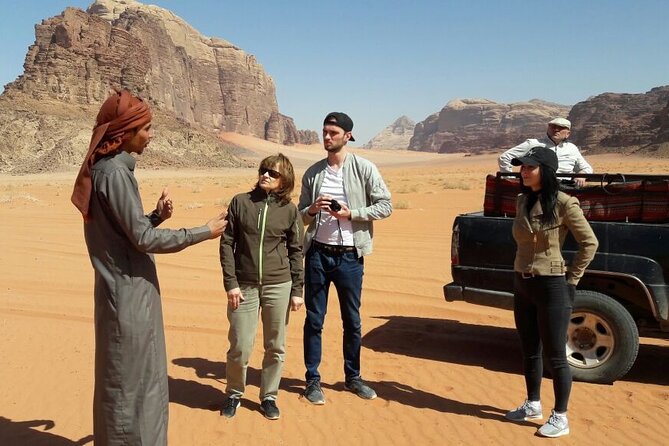
The guide is an important part of the experience. You will hear the historic meaning of the sites and can ask about Bedouin life and culture. The tour also begins with tea at the family house, which gives the visit a personal touch before the vehicle carries you into the protected area.
The route can last from two to six hours, so read the specific option carefully. The shortest version is best for a quick introduction from Aqaba or a packed Jordan itinerary. A longer version makes more sense if you want time for Abu Khashabah Canyon, the inscriptions, a camel ride, or a sunset stop.
More nights and drives in Wadi Rum from Aqaba:
- Wadi Rum Full Day Jeep Tour + Overnight & Dinner in Bedouin Camp
★ 5.0 · 368 reviews - Wadi Rum: Morning or Sunset Jeep Tour
★ 5.0 · 285 reviews - Wadi Rum Cave Camping with Jeep Tour
★ 5.0 · 200 reviews
Starting with tea in Wadi Rum Village
The meeting point is Wild Wadi Rum Tours on School Street in Wadi Rum Village. The visit begins at the family house with a cup of Bedouin tea. It is a small detail, but a useful one: you start by meeting the people who run the experience rather than simply climbing into a vehicle at a parking area.
The tea stop lasts about 10 minutes. Do not expect a long cultural presentation here. Its value is in the welcome and the chance to get oriented, ask an initial question, and confirm the plan for your route.
The activity returns to the same meeting point. The listed ticket redemption point is the Wadi Rum Visitor Center, so pay attention to the instructions you receive after booking and allow time to reach the village and complete any required entry steps.
Lawrence’s Spring and the first desert views
The first major stop is Lawrence’s Spring, a water source associated with the 1962 film Lawrence of Arabia. The spring also mattered long before the film, since ancient travelers used it as a water hole while crossing this dry region.
You spend about 20 minutes here. That is enough to see the spring area and hear its story, but not enough for a long walk or an extended stop. The site is useful because it connects Wadi Rum’s modern fame with its older role as a route through the desert.
The name can create inflated expectations. This is not a large attraction built around the movie. It is a natural water source with a film connection and a view into how people moved through the area in earlier times.
The big red dune and optional sandboarding
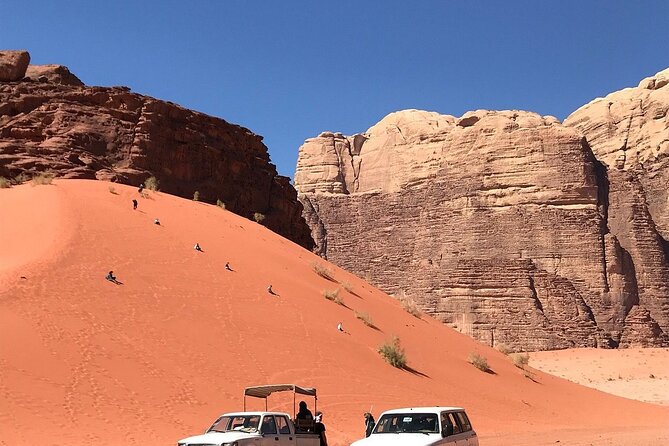
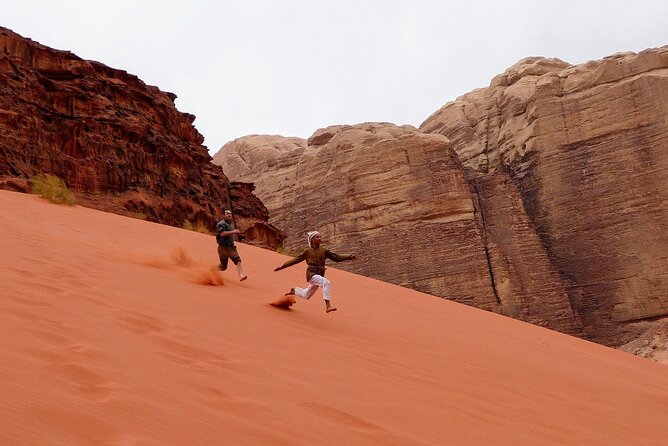
The red sand dune is one of the tour’s most active stops. You can climb up for a view, then run or jump back down if you wish. The stop lasts about 25 minutes, so you get enough time for a climb and photographs without turning it into a long hike.
Sandboarding may be included with some options. One reported experience combined the two-hour jeep tour with a one-hour camel ride and also included riding the dunes on a board. If sandboarding is the reason you are booking, confirm that it is part of your selected package rather than assuming it comes with every $45 tour.
The dune is also a good place to consider your fitness level. The climb is short, but soft sand makes uphill walking harder than it looks. You can stay near the lower part if you prefer, while more active visitors can go higher for a wider view.
Same base, a different sort of day:
- Aqaba: Private Red Sea Diving for Beginner or Experienced
★ 4.9 · 230 reviews - Journey of Diving or Snorkelling from a Boat
★ 5.0 · 218 reviews - Stargazing Adventure in Jordan
★ 4.5 · 187 reviews - Hot Air Balloon Flight at Wadi Rum
★ 5.0 · 149 reviews
Khazali Canyon and Nabatean inscriptions
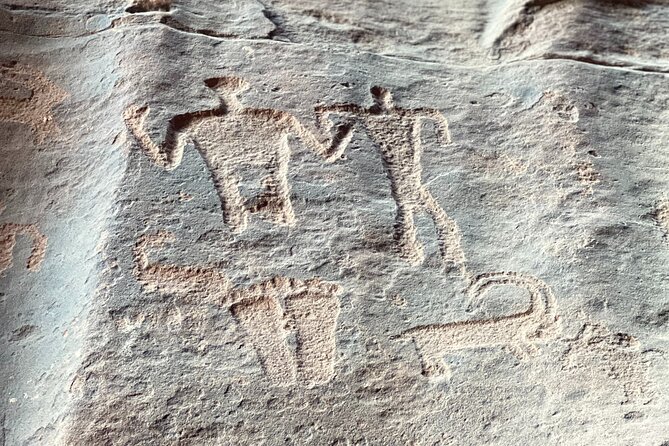
Jebel Khazali brings the cultural side of Wadi Rum into focus. The canyon contains inscriptions from Nabatean times, including signs connected with nearby landmarks. The guide points out the carvings and explains their meaning.
You spend roughly 25 minutes here. That is enough for a close look and a short walk into the canyon. The appeal is not just the age of the markings. They show how people used stone surfaces to record routes and orient themselves in a place where landmarks can look similar from a distance.
This is where an English-speaking guide adds real value. Without context, old markings can be easy to overlook. Ask questions rather than rushing through the canyon. The tour welcomes questions about the inscriptions and Bedouin culture, and this stop gives you the clearest chance to connect the scenery with human use.
Um Frouth Arch and a little scrambling
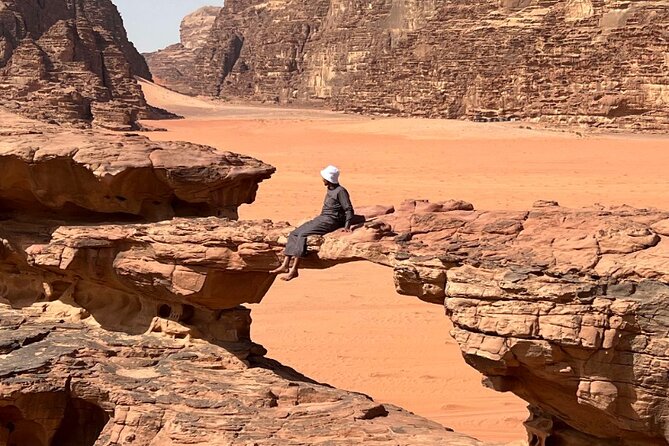
Um Frouth Arch is one of the tour’s most photogenic stops. The rock bridge rises from the desert, and you can scramble up to stand on top for a photograph. The stop lasts about 25 minutes.
The climb is part of the fun, but it is not a passive viewpoint. You need to be comfortable using your hands and feet on uneven rock. The supplied information says you can scramble up, but it does not describe a special path or safety equipment, so take care and follow your guide’s advice.
If you prefer not to climb, you can still enjoy the arch from below. The stop works for mixed groups because one person can take pictures while another makes the ascent. Still, if your main aim is easy sightseeing from the jeep, ask how much scrambling your chosen route includes.
Abu Khashabah Canyon on foot
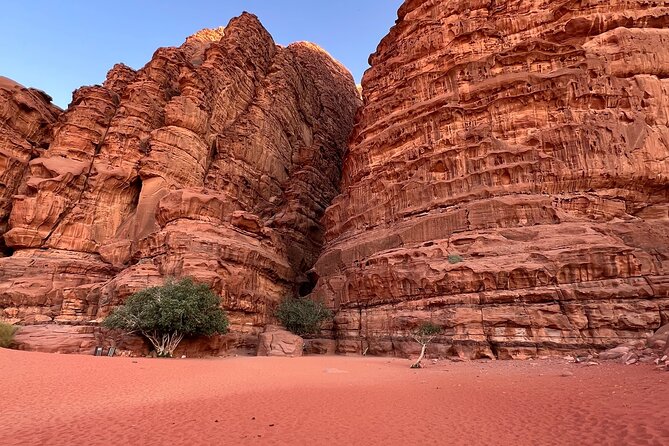
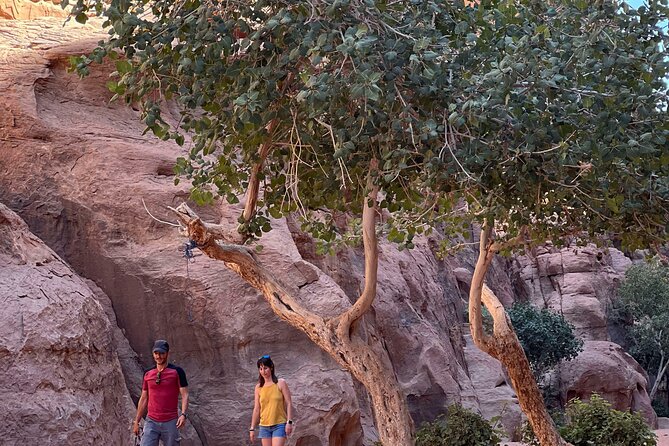
Abu Khashabah Canyon offers a change of pace. Instead of looking at a rock formation from outside, you walk through a narrow sandy passage to the other end. The canyon is described as particularly beautiful, and its enclosed shape gives you a closer look at the desert’s rock walls.
The listed stop lasts about 25 minutes. That is enough for a walk through the canyon, but your pace will determine how much time you have for photographs. Keep your belongings manageable during this part of the tour, since you will be on foot rather than sitting in the jeep.
This stop is especially useful if you want more than quick photo stops. It gives you a brief sense of moving through Wadi Rum under your own power. It also makes the longer versions of the tour more appealing, since a two-hour outing may need to limit the number of walking sections.
Little Rock Arch and wide-open views
Little Rock Arch is described as the smallest natural arch in Wadi Rum. Its size is part of the charm. This is not the grand, dramatic climb of Um Frouth. Instead, it is a compact rock bridge with panoramic views over Kor al-Ajram, Jebel Rum, and Khazali Canyon.
You spend about 20 minutes here. The stop is a good reminder that scale is not everything in Wadi Rum. A smaller formation can offer one of the better outlooks, especially if you want to see how the different ridges and canyons fit together.
The arch is also a practical stop for people who want scenery without a long walk. You can focus on the view, take photographs, and listen to the guide’s explanation before moving on.
Lawrence’s House and the old caravan route
Lawrence’s House is linked to T. E. Lawrence, but the site’s story reaches further back. Bedouins used this old Nabatean station for shelter from wind and bandits. It stood on a caravan route connecting the Hijaz with Petra and Damascus.
The stop gives you views across the valley floor toward Jebel Raqqa. The building itself is not presented as a grand monument. Its value is in the location and the route it represents. You can picture people, animals, and goods crossing the desert long before modern jeeps began carrying visitors between the sites.
This is another place where the explanation matters more than the structure alone. If you only want rock formations, it may feel less exciting than the arches and dunes. If you want to understand why Wadi Rum mattered, it adds useful context.
Anfeshiyeh Inscriptions and desert messages
The Anfeshiyeh Inscriptions provide one more look at written signs in the desert. Nabatean markings were used to mark routes and signal to people passing through. Some indicate water sources, while others warn of dangers in the area.
The inscriptions also record the winners of winter camel races that once circled the mountain. That detail gives the site a more human feel. These are not only route notes carved into stone. They also reflect movement, competition, and local life.
The stop takes about 10 minutes, making it the quickest listed visit. Use that time well by asking the guide to point out the markings. You may find the carvings difficult to spot without help, especially if you are expecting large, bold signs.
What the $45 price includes
At $45 per person, the tour offers solid value if you want a compact introduction to Wadi Rum. You receive an English-speaking guide, cold bottled water from an ice box, transportation between scattered sites, and access to a small group capped at six people.
The price matters most when you compare it with the time saved. Walking between these locations would not fit into a short outing, and arranging separate rides for each site would be impractical. The jeep is not just transport. It is what makes the broad route possible.
Food is not included. You can add a light lunch for 5 JD per person after arrival, or cooked chicken and rice for 10 JD per person. A one-hour camel ride costs 10 JD per person. Group discounts are available, which may improve the value for friends or families booking together.
Check the chosen option before paying, since the overall duration and added activities vary. A basic short tour can be a good deal if you want the main sights. A longer option may be worth the extra time if you want walking, sandboarding, a camel ride, or sunset.
Timing, group size, and comfort
The maximum group size is six. That is small enough to keep the outing from feeling like a large convoy and should give you a better chance to speak with the guide. It also helps when the group needs to agree on how long to spend at a dune or arch.
You can request an afternoon start if you want to see the sunset. This is a smart choice for anyone who prefers cooler light and a more atmospheric end to the outing, though the exact route may need to fit the available daylight.
Most people can participate, and service animals are allowed. The route includes a dune climb, optional scrambling, and a walk through a sandy canyon, so your comfort may vary by option. Ask about the activity level if you have concerns, especially before choosing sandboarding or a camel ride.
Bring practical clothing for an outdoor desert visit. The tour supplies water, but you should still plan for sun, sand, and uneven ground. The information provided does not specify equipment, shade, or restroom stops, so do not count on those unless the operator confirms them.
Who should book this tour?
I would choose this experience if you have limited time in Jordan but still want more than a quick drive through Wadi Rum. It suits people who want major sights, short walks, historical explanations, and the option to add one active experience.
It is also a good match for small groups who value flexibility. A group of friends can split the cost of extras, ask more questions, and choose a longer route without the feel of a large organized outing.
I would be more cautious if you want a slow, full-day desert camp experience. The short formats are designed to cover ground, not to linger for hours at one canyon or dune. The $45 price buys breadth, while a longer option buys more time and added activities.
Booking is flexible, with free cancellation up to 24 hours before the start time. Changes or cancellations inside 24 hours are not accepted for a refund. The experience depends on good weather, and poor conditions may lead to another date or a full refund.
Should you book Wild Wadi Rum Tours?
Book it if you want an efficient first look at Wadi Rum, prefer a group of no more than six, and like having choices such as sandboarding or a camel ride. The strongest parts are the range of stops, the Bedouin tea welcome, the guide’s explanations of inscriptions, and the chance to ask about local life.
Before booking, confirm the exact length and included extras. A two-hour route will feel brisk, while a four to six-hour option should give you more room for Abu Khashabah Canyon, the inscription sites, a camel ride, or sunset. For $45, it is a practical way to see the desert’s main character without committing to a full-day program.
FAQ
How much does the Wadi Rum short tour cost?
The listed price is $45 per person. Group discounts are available.
How long does the tour last?
Short tours last approximately two to six hours, depending on the option selected.
What sites are included?
The route can include Lawrence’s Spring, the big red sand dune, Khazali Canyon, Um Frouth Arch, Abu Khashabah Canyon, Little Rock Arch, Lawrence’s House, and the Anfeshiyeh Inscriptions. The exact stops depend on the chosen option and available time.
Is a camel ride included?
No. A one-hour camel ride can be added for 10 JD per person.
Can I see the sunset?
Yes. An afternoon start can be arranged if you want to include sunset.
What is included in the price?
An English-speaking guide and cold bottled water are included. Transport between the sites is provided as part of the jeep tour.
Where does the tour start and end?
It starts at Wild Wadi Rum Tours on School Street in Wadi Rum Village and ends back at the same meeting point. The listed ticket redemption point is the Wadi Rum Visitor Center.
Just added in Aqaba
- Full-Day 4×4 Wild Desert Expedition with night in private tent★ 5.0 · 26 reviews
- Snorkeling Trip with pick up ( beach)★ 4.5 · 59 reviews
- 2-Hour Private Scuba Experience in Aqaba★ 5.0 · 67 reviews
- Wadi Rum: Full Day Valley Tour with Lunch★ 5.0 · 23 reviews
- Walking Tour, Visit the Old Town and Markets, Taste Food★ 5.0 · 33 reviews
- Wadi Rum Jeep Tour & Camp; Overnight★ 5.0 · 41 reviews
- Wadi Rum 2-Day Jeep Tour with Meals and Overnight in Bedouin Camp★ 5.0 · 24 reviews
- Wadi Rum Full Day Jeep Tour – Stargazing Overnight in a Cave – Traditional Food★ 5.0 · 38 reviews
Wadi Rum Desert Camps, compared.
3-Day Private Tour from Amman: Petra, Wadi Rum, Dana, Aqaba, and Dead Sea
Read our review →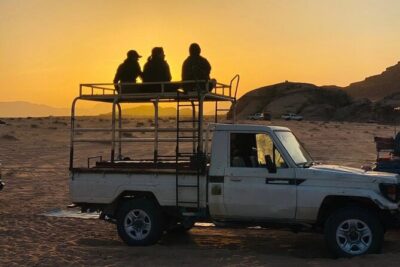
Wadi Rum Full Day Jeep Tour + Overnight & Dinner in Bedouin Camp
Read our review →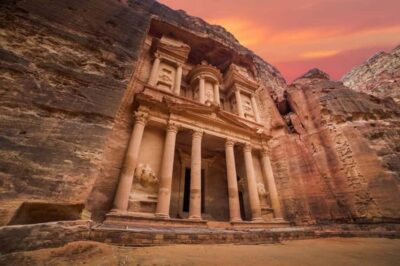
Petra & Wadi Rum: Full Day Private Tour with Hotel Pickup
Read our review →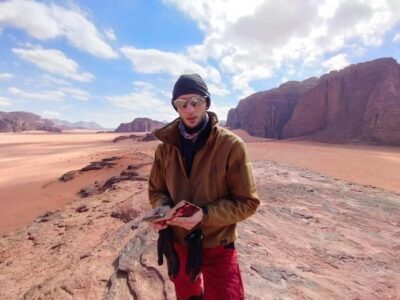
Browse the lists this tour appears in