
Reviewed · DEAD SEA TRIPS
Masada Dead Sea: Small Group Tour from Tlv INCL. ENTRY FEES
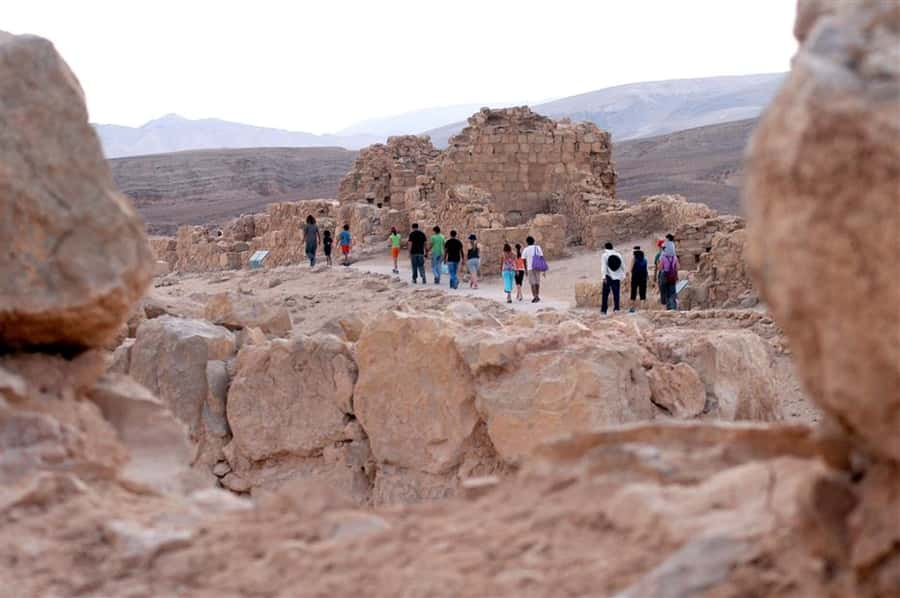
Masada is the star here: a cable car lifts you to King Herod’s fortress, where desert views meet one of the most dramatic chapters in Jewish history. I like the small-group format, which makes it easier to hear the guide and keeps the long day from feeling like a moving crowd. I also like that entry fees and transport are included, so the $155 price is fairly easy to judge.
The drawback is the length. Ten hours is a full day, and the heat can be fierce, especially at Masada. There is also a stop at a Dead Sea cosmetics shop, which some people enjoy and others see as time taken from the main sights.
Key points to know before booking
- Cable car access to Masada: You reach the fortress without the strenuous uphill walk, then explore its walls, palace, synagogue, cisterns, mosaics, and Roman baths.
- A real history lesson: The guide explains the Jewish revolt and the Roman siege while you stand among the remains.
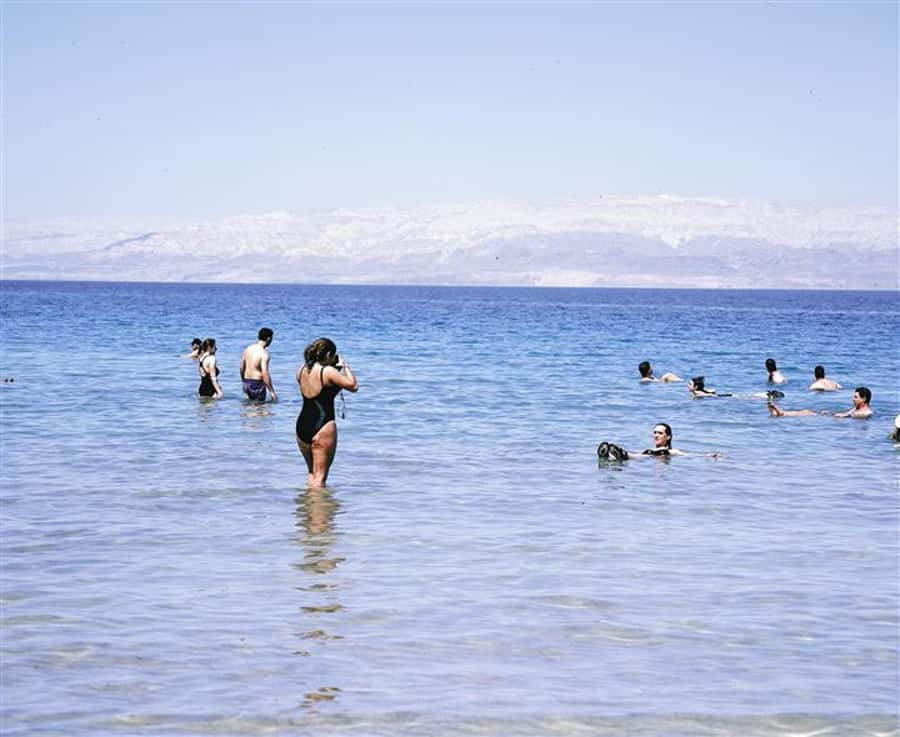
- About two to three hours at the Dead Sea: You have time to float, use mineral mud, and rinse off rather than making a rushed photo stop.
- Central hotel pickup: Pickups are offered in Netanya at 6:30, Herzliya at 7:00, and Tel Aviv at 7:20, with the exact address confirmed later.
- Bring sturdy water shoes: Salt can make the shore rough and painful on bare feet.
- English is advertised, but confirm language details: One booking unexpectedly had much of the commentary in German.
A long but rewarding day from Tel Aviv
This is the kind of outing that covers a lot of ground in one day. You leave the coast early, cross the Judean hills and desert, visit Masada, continue to the Dead Sea, and return to your starting point in the evening.
The early pickup matters. The listed times are 6:30 in Netanya, 7:00 in Herzliya, and 7:20 in Tel Aviv. Pickup applies to centrally located hotels. If your hotel is outside the central area, you receive a nearby meeting point instead.
The drive is not just dead time. A good guide can point out the changing scenery and explain what you are seeing along the way. One guide, Gabi, was praised for making the drive informative as well as entertaining. Another guide gave a running explanation from the vehicle, including a short look at Jerusalem during the journey.
You should still expect a long ride. This is not a gentle half-day excursion with one nearby attraction. It is a practical way to combine two major southern Israel sights when you have limited time, but you will want water, sun protection, and patience for the road.
Other Dead Sea days from Tel Aviv:
- From Tel Aviv: Masada & Dead Sea Full Day Tour with Pick Up
★ 4.5 · 1,496 reviews - Masada and the Dead Sea Day Trip from Tel Aviv
★ 4.5 · 1,014 reviews - Tel Aviv: Jerusalem, Bethlehem & Dead Sea
★ 4.0 · 881 reviews
The Judean Desert route
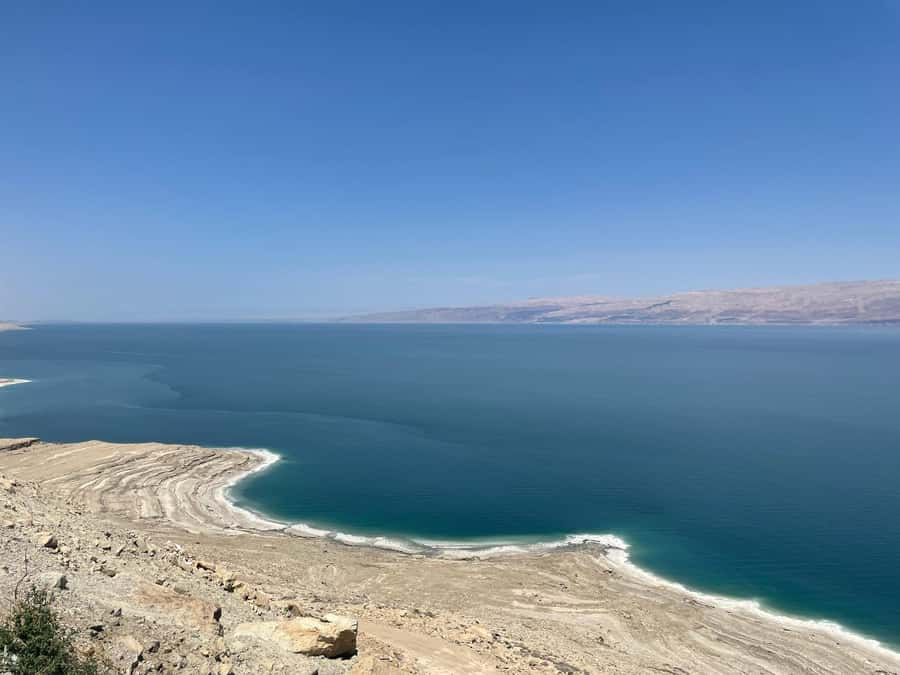
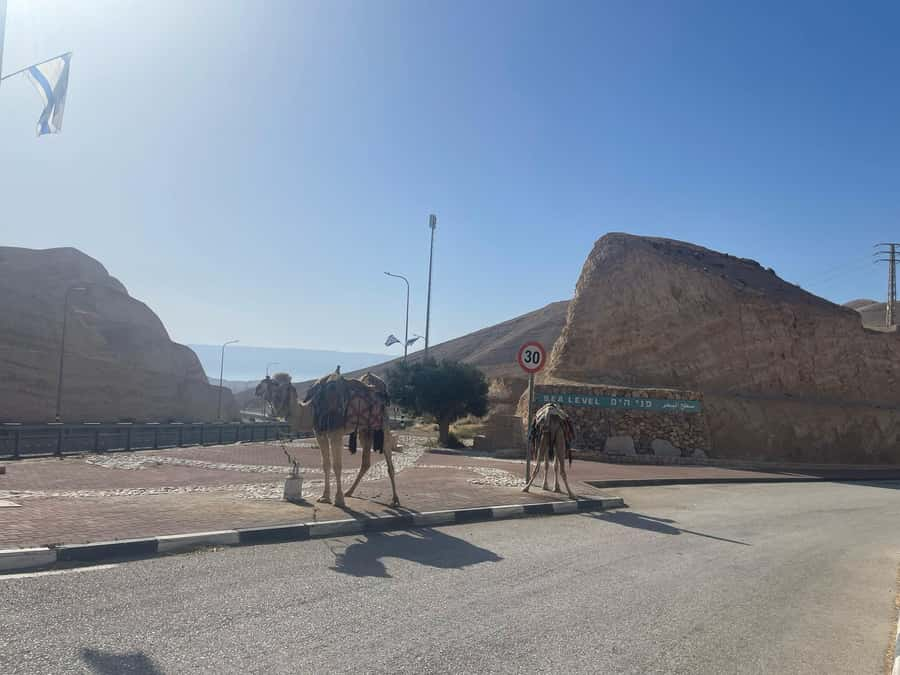
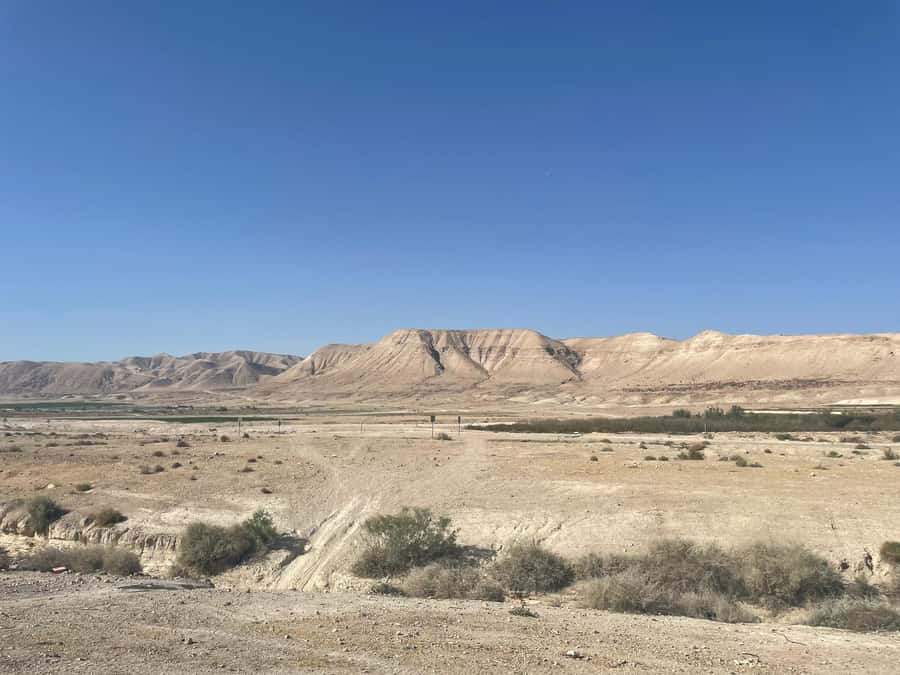
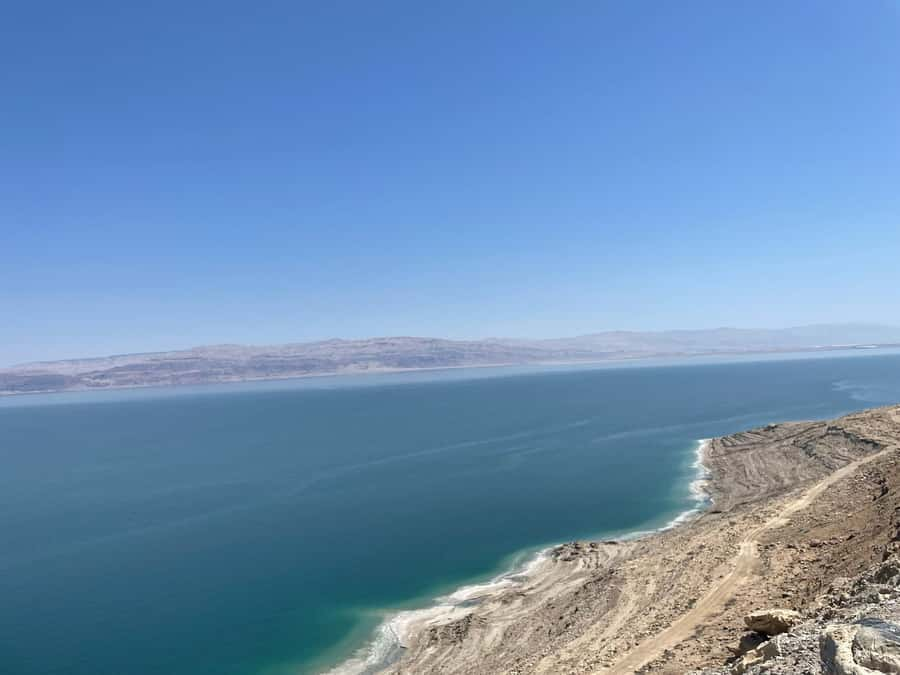
The trip from the coast takes you through the Judean hills and toward the lowest point on Earth. The scenery changes from built-up coastal areas to dry hills, open desert, and the sharp mineral shoreline of the Dead Sea.
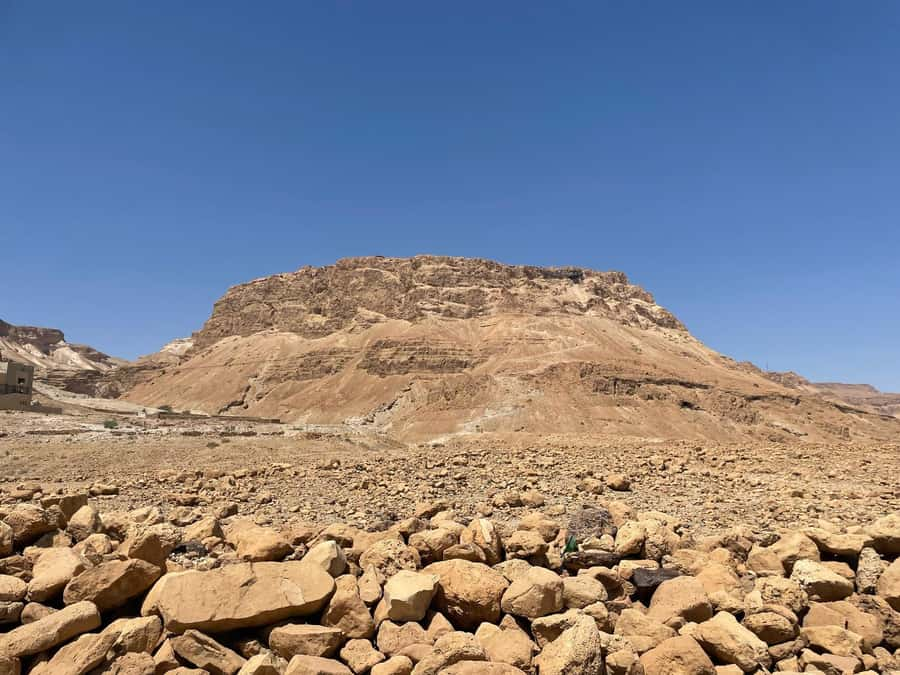
The setting gives Masada much of its power. This is not a ruin tucked into a green park. The fortress rises above an austere desert, and the views help you understand why the site was chosen for defense and royal retreat.
The guide’s commentary can make a big difference here. Some guides explain what appears outside the window, while others keep the focus on the day’s history. Reports of guides named Gabi, Yousef, Sharon, and Rafi point to a range of individual personalities, but the important thing is the licensed English-speaking guide included with the tour.
One practical caution: English is the stated language, yet one booking ended up with a guide speaking mostly German, with only part of the commentary in English. If detailed explanations matter to you, confirm the language before departure.
Masada by cable car
Masada is reached by cable car, and that choice shapes the whole visit. You avoid the difficult climb up the mountain and arrive with more energy for the ruins themselves.
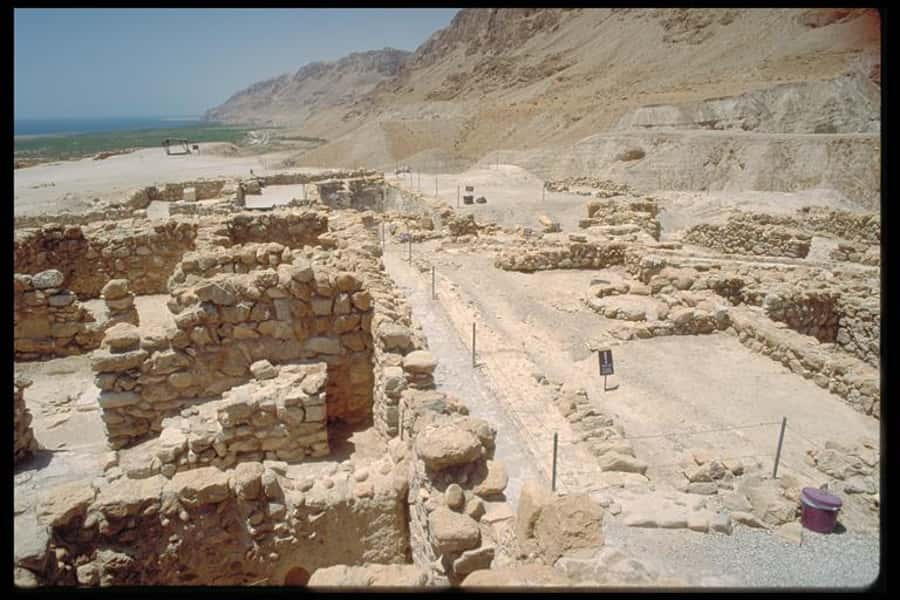
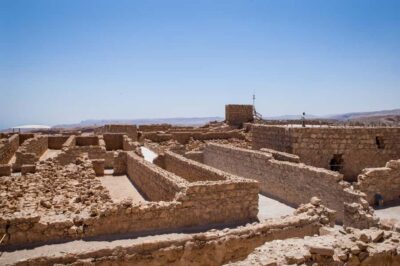
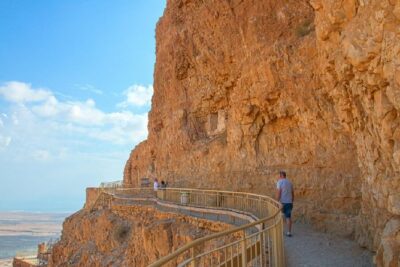
At the top, you walk among the remains of Herod’s mountain fortress. The visit includes sections of the defensive walls, the palace, synagogue, water cisterns, mosaic floors, and Roman baths. These are not isolated stones with little context. Together, they show how a remote mountaintop supported royal life, storage, worship, bathing, and defense.
The synagogue is especially important because it connects the site to the people who later held Masada during the revolt against Rome. The cisterns show the engineering needed to survive in a dry place. The palace and mosaics point to the wealth and ambition of King Herod.
The central story concerns the Jewish fighters who defended the fortress against the Romans. Your guide explains this chapter on site, where the cliffs and desert make the military problem easier to picture. The story is powerful, but the tour is not a quiet archaeological study. You are working within a group schedule, and one person found the pace a little quick because there was so much to read.
If you like examining every sign and inscription, you may want to read quickly or save your own detailed study for another visit. If you prefer a clear explanation of the main remains, a guide-led visit works well.
Heat, walking, and the cable-car advantage
Masada still requires walking once you reach the summit. The cable car removes the steep ascent, not the need to move around the site. Wear comfortable shoes, carry sun protection, and bring water.
The heat deserves serious attention. A July visit can feel very different from a winter morning, and one booking specifically noted that visitors should prepare for high temperatures. The site offers little reason to linger in direct sun once you have seen the main remains, so a hat and sunscreen are sensible.
The cable car is included with the site access described for the tour, which is valuable. You do not need to work out the transport up the mountain or stand in a separate ticket queue. That makes the stop easier for anyone who wants the history and views without committing to a strenuous hike.
Other desert-fortress trips from Tel Aviv:
- From Tel Aviv: Masada, Ein Gedi & Dead Sea Tour
★ 4.2 · 705 reviews - From Tel Aviv: Masada Sunrise, Ein Gedi and Dead Sea Tour
★ 4.3 · 192 reviews - From Tel Aviv: Masada, Ein Gedi and Dead Sea Day Tour
★ 4.6 · 110 reviews - From Tel Aviv: Masada at Sunrise, Ein Gedi and Dead Sea Tour
★ 4.5 · 84 reviews
The Dead Sea stop and the art of floating
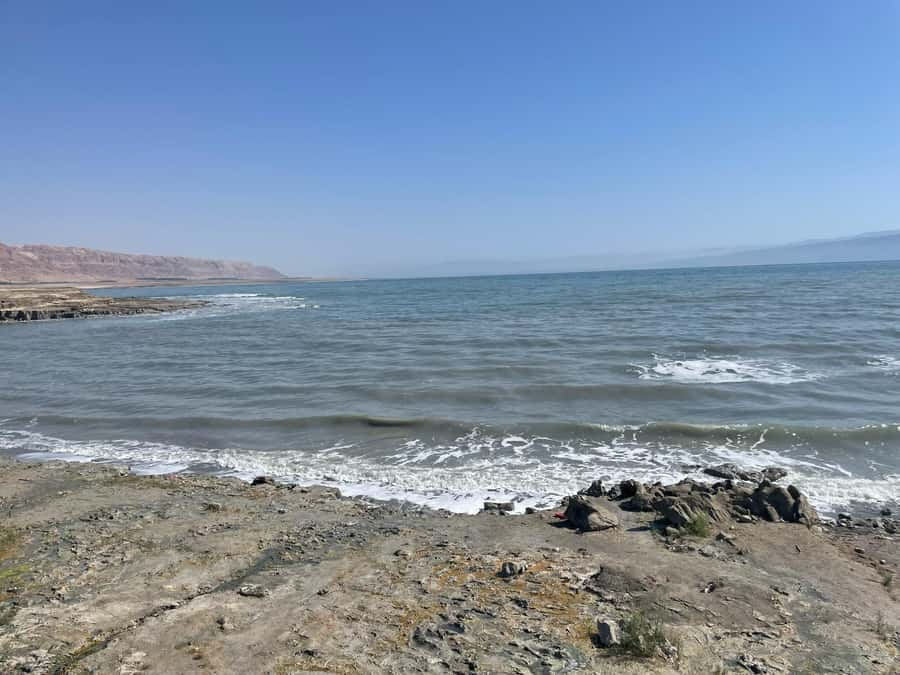
After Masada, the tour continues to the Dead Sea. This is the lighter, more playful half of the day. You change into a swimsuit, enter the mineral-heavy water, and let your body float with very little effort.
You do not swim in the usual sense. The water supports you, and the experience is more about drifting, sitting back, and discovering how unusual the sea feels. The salt can sting cuts and irritated skin, so avoid shaving immediately before the visit and keep your hands away from your eyes.
Dead Sea mud is part of the stop. You can cover yourself with it, let it sit, and rinse it away in the water. The product is sold for its mineral content, and the ritual is a popular part of a first visit. Just remember that the water and mud are not a substitute for medical treatment, and the tour data only supports describing the experience, not promising health benefits.
The schedule usually allows about two hours, with one booking noting close to three hours. That is a useful amount of time. You can float, apply mud, rinse, change, and sit for a while without treating the Dead Sea as a five-minute photo stop.
The shore can be the least comfortable part. Salt crystals are hard on bare feet, and one person found walking painful. Bring waterproof footwear or water shoes with a secure sole. A swimsuit and towel are specifically required items to pack, along with sunscreen.
The Dead Sea stop can also feel more commercial than Masada. One description called the beach busy and factory-like, while another found a quieter private beach on an overcast day. Conditions vary, but you should expect a developed bathing facility rather than an untouched desert shore.
The cosmetics shop stop
The route includes a Dead Sea cosmetics shop. You can learn about products made with minerals from the region and buy items to take home.
This stop has mixed value. If you want Dead Sea creams, soaps, or mud products, it gives you an easy place to compare them. If shopping is not part of your plan, it may feel like a detour after an already full morning.
The useful detail is that the stop has not always involved hard selling. One booking found the shop visit brief and pressure-free, while another felt it was an obvious tourist stop that used too much time. I would treat it as optional browsing rather than a major part of the day. You do not need to buy anything to enjoy Masada or float in the sea.
What the $155 price covers
At $155 per person, this is not the cheapest way to reach Masada and the Dead Sea. The value comes from having transport, a government-licensed guide, site entry fees, and cable-car access handled together.
A private rental car can give you more control, but you would need to manage the desert drive, parking, timing, tickets, and route yourself. Public transport may cost less, but it will not provide the same guided explanation or simple same-day combination of both sites.
The small group is the strongest reason to pay more. People who took this tour found that a smaller vehicle made the guide easier to hear and the day more personal. One group praised the driver as safe and pleasant, while another found the vehicle comfortable.
The price does not include meals. Bring food or money for a meal stop, though the supplied details do not specify a restaurant or exact lunch arrangement. You should also budget for personal purchases at the cosmetics shop if you choose to buy something.
Free cancellation up to 24 hours before the start gives you some flexibility, and you can reserve while paying later. Those terms are useful if your plans are still shifting, but the main value question remains simple: do you want convenience and interpretation, or do you prefer arranging the route yourself?
Who will enjoy this day most
I would recommend this tour to a first-time visitor who wants the main sights without planning a complicated desert outing. It also suits anyone who wants a guide to explain Masada instead of simply dropping you at the cable car.
The tour works well for people with a strong interest in Jewish and Roman history, but you do not need to be a specialist. The guide supplies the wider story, while the ruins and views give you enough visual detail to make the history feel concrete.
It is also a good fit if you want a proper Dead Sea visit rather than a quick stop beside the road. The time allowed for floating and mud makes the bathing portion worthwhile.
I would hesitate to recommend it to someone who dislikes early starts, long drives, organized schedules, or shopping stops. It may also frustrate visitors who want to read every sign at Masada or spend an entire day at the Dead Sea. The pace is designed to give you the highlights of both places, not complete freedom at either one.
Families and older visitors may appreciate the cable car, but the site still involves walking in strong sun. Anyone with mobility concerns should ask the operator for current details before booking, since the supplied information does not give a full accessibility description.
What to pack for Masada and the Dead Sea
Keep your day bag simple:
- Swimsuit and towel
- Sunscreen and other sun protection
- Water
- Comfortable walking shoes
- Waterproof footwear for the salt-covered shore
- Modest clothing if your route includes holy places
The dress guidance says no shorts or sleeveless shirts, with a head covering required when visiting holy places. That may be more restrictive than your beach clothing, so pack something that can cover your shoulders and knees.
A waterproof phone pouch could also be useful, but it is not listed as a required item. The important essentials are the swimsuit, towel, sun protection, and shoes that can handle sharp salt.
Final decision: is this Masada and Dead Sea tour worth it?
Book it if you want a well-organized full-day outing with a guide, included entry fees, a cable-car ride, and enough Dead Sea time to float properly. The small-group setup, strong guide reports, and comfortable transport give it a practical edge over a large coach tour.
Think twice if you want a slow archaeological visit, dislike commercial stops, or need total control over the schedule. Also confirm that the tour will be conducted in English, since one booking had far more German commentary than expected.
For most first-time visitors based in Tel Aviv, the $155 cost is reasonable for the amount covered. You get two major sights, a desert drive, historical context, and a genuine chance to experience the strange pleasure of floating in the Dead Sea, all without arranging the logistics yourself.
FAQ
How long does the tour last?
The tour lasts about 10 hours, including transportation from the pickup area, the Masada visit, the Dead Sea stop, and the return journey.
Where is hotel pickup available?
Pickup is offered from centrally located hotels in Netanya, Herzliya, and Tel Aviv. Listed pickup times are 6:30 in Netanya, 7:00 in Herzliya, and 7:20 in Tel Aviv.
What if my hotel is not centrally located?
The supplier will provide the address of the closest meeting point if your hotel is outside the central pickup area.
Is the tour conducted in English?
English is the stated tour language, with a live guide included. Confirm the language before departure, since one booking had most of the commentary delivered in German.
Is the cable car to Masada included?
Yes. The tour includes entry fees and takes you to Masada by cable car.
What can I see at Masada?
The guided visit includes the fortress walls, palace, synagogue, water cisterns, mosaic floors, Roman baths, and other remains connected with Masada’s history.
How much time is allowed at the Dead Sea?
The schedule provides roughly two hours, and one described visit lasted about three hours. The exact timing can vary.
What should I bring to the Dead Sea?
Bring a swimsuit, towel, sun protection, and water shoes or other waterproof footwear. Salt on the shore can be sharp and painful on bare feet.
Are meals included?
No. Meals are not included in the tour price, so you should plan for your own food.
Just added in Tel Aviv
- From Tel Aviv/Jerusalem: Galilee, Nazareth, Jordan River★ 4.6 · 93 reviews
- Tel Aviv: Florentin Saturday Walking Tour★ 3.5 · 65 reviews
- Tel Aviv: Pub Crawl and Nightlife Tour with Shots★ 4.6 · 28 reviews
- Tel Aviv: Street Art and Graffiti Tour★ 5.0 · 36 reviews
- Tel Aviv: Jaffa & Carmel Market Walking Tour★ 4.7 · 60 reviews
- Tel Aviv: Jaffa Half-Day Walking Tour★ 4.5 · 70 reviews
- Tel Aviv: Carmel Market & Tel Aviv Tour with Tastings★ 3.8 · 36 reviews
- Tel Aviv: 2-Hour Carmel Market Tour in English with Lunch★ 4.8 · 23 reviews
Dead Sea Trips, compared.
Masada & Dead Sea Full Day Tour with Pick Up
Read our review →

Masada and the Dead Sea Day Trip from Tel Aviv
Read our review →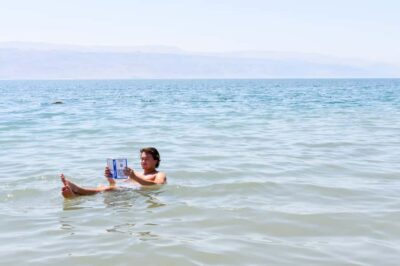
Masada and the Dead Sea Day Trip from Jerusalem
Read our review →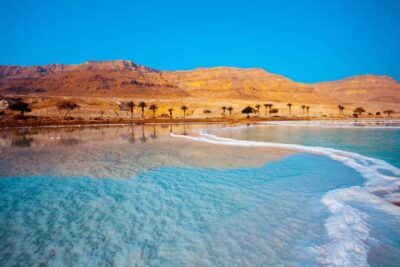
From Jerusalem/Tel Aviv: Bethlehem and Dead Sea Day Tour
Read our review →
Browse the lists this tour appears in