
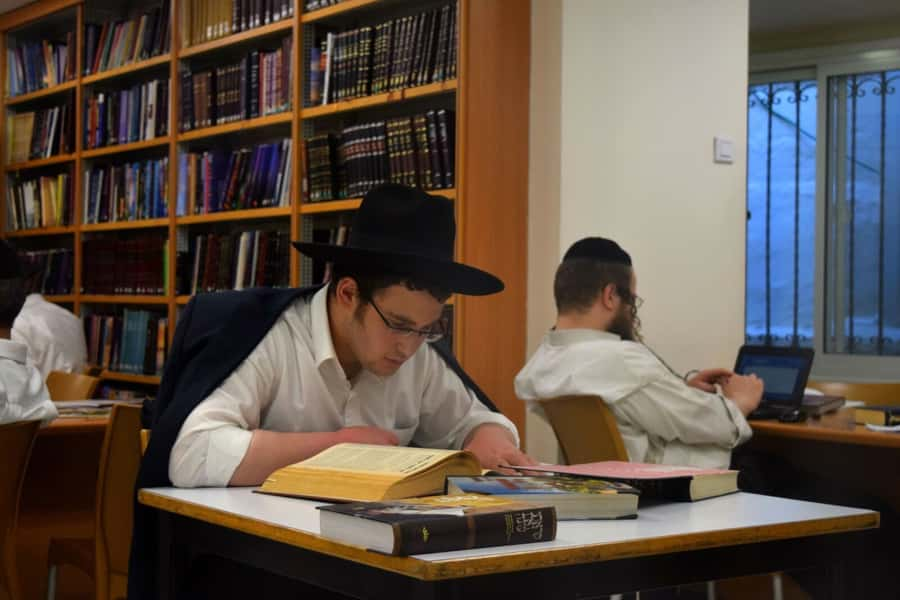
Reviewed · JERUSALEM & BETHLEHEM TOURS
Jerusalem: Meet the Orthodox Jews Tour
Jerusalem’s ultra-Orthodox neighborhoods can feel like a world apart. On this 150-minute walk, a former member of the community explains the customs, clothes, religious signs, shops, and daily routines that you might otherwise see only from the street. I especially like the insider perspective and the chance to ask direct questions about marriage, women’s roles, phones, food, and Sabbath life. I also like that the tour treats the community as a living part of modern Israel, not as a curiosity. The main drawback is that some places cannot be entered, and street noise can make the guide hard to hear at times.
- Former insider guide: Learn from someone who grew up in the ultra-Orthodox world and later left it.
- Ordinary neighborhood life: See bakeries, bookstores, music shops, restaurants, clothing stores, synagogues, and yeshivas.
- Open discussion: Ask about marriage, women, media, charity, kosher rules, phones, holidays, and modern Israeli society.
- Modest dress required: Bring a scarf or shawl for women, and avoid shorts or bare shoulders for everyone.
- Outside views are part of the tour: Community rules mean some shops and religious institutions cannot be entered.
- Good value for curious visitors: At $53, the experience offers 2.5 hours of guided context rather than a quick look at religious dress.
Why This Jerusalem Walk Offers More Than a Street View
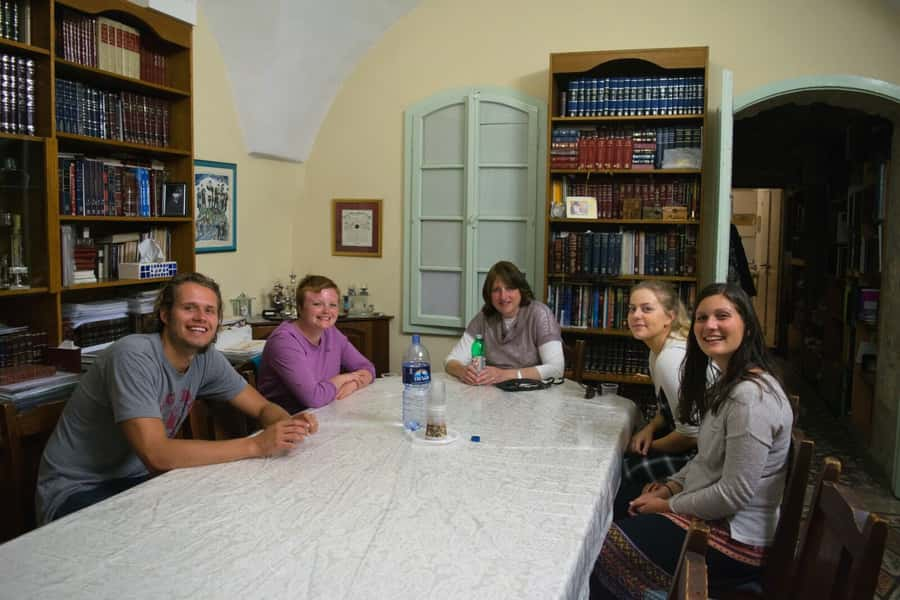
You may have already seen ultra-Orthodox Jewish men in Jerusalem, with black coats, dark hats, side curls, or traditional dress. It is easy to notice the clothing and miss the system of ideas and customs behind it.
This tour gives you a way to ask what those details mean. Your guide walks with you through a traditional neighborhood that is not usually part of the standard sightseeing route. Along the way, you can ask about daily life and hear explanations from someone who once lived inside that world.
That background matters. An outsider can describe what a neighborhood looks like, but a former community member can explain why certain shops operate as they do, how religious expectations shape family life, and where tension exists between ultra-Orthodox society and the wider state of Israel.
The guide’s personal story also gives the walk emotional weight. The guide has been identified by one participant as Moti, and the most powerful part for many people is hearing about his decision to leave the ultra-Orthodox community. You should not expect a simple sales pitch for or against the lifestyle. The value is in hearing a personal account while having room to form your own view.
Meeting the Community at Street Level
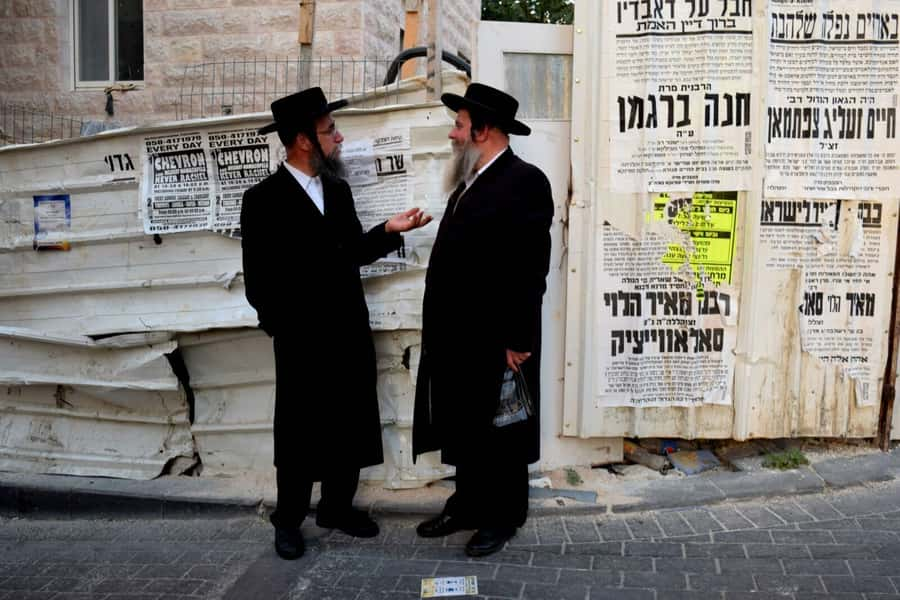
The walk begins at the bus stop outside Abraham Jerusalem, at Ha-Nevi’im Street 67. The hostel itself is currently closed, so do not go inside looking for a reception desk or tour office. Use the bus stop outside as the meeting point.
From there, the guide takes you toward a nearby ultra-Orthodox neighborhood. The exact street sequence is not described in detail, and that is worth keeping in mind if you prefer a fixed sightseeing checklist. This is a guided neighborhood walk rather than a parade of famous monuments.
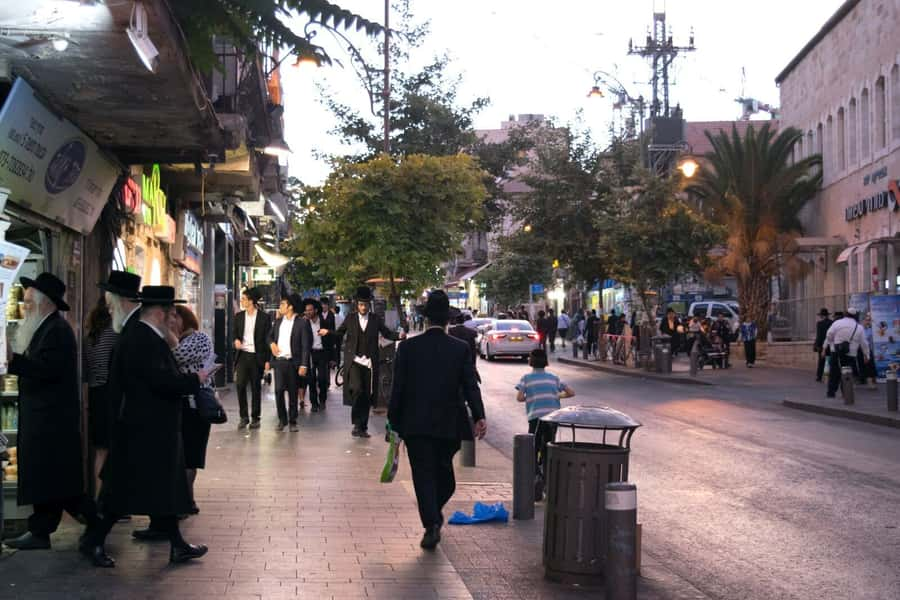
You will be shown the signs of everyday life. A bookstore can reveal which religious texts matter to the community. A music store points to forms of entertainment that fit local rules. A bakery gives you a look at ordinary shopping, while a clothing shop helps explain how dress communicates religious identity.
You may also see a restaurant, synagogue, yeshiva, and other local institutions. Some can be explained from the street, but you should not expect to enter every place. Local rules prohibit access to certain shops and religious sites. That limit is not a flaw in the tour so much as a reminder that this is a functioning community, not a museum arranged for visitors.
I appreciate that distinction. The walk gives you access to explanations without pretending that every private space is open for inspection.
More old-city days from Jerusalem:
- From Jerusalem: Masada & Dead Sea Full Day Tour with Pick Up
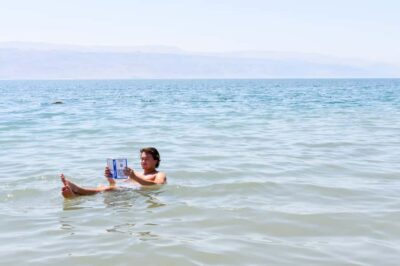
★ 4.5 · 815 reviews - Masada and the Dead Sea Day Trip from Jerusalem
★ 4.5 · 757 reviews - From Jerusalem: Nazareth and Sea of Galilee Tour
★ 4.5 · 588 reviews
What the Guide Explains Along the Way
The tour is built around conversation. Your guide points out religious symbols, customs, and places, then explains how they connect to life in the community. You are encouraged to ask questions, including personal or difficult ones.
The topics include:
- Marriage and family expectations
- The role of women
- Media and access to information
- Charity and community support
- Kosher food
- Phones and technology
- The Sabbath and Jewish holidays
- The place of ultra-Orthodox society in modern Israel
These subjects make the walk useful for more than religious study. They help you understand how a community can organize schools, work, shopping, worship, family life, and public behavior around a shared set of religious rules.
The discussion of phones and media is especially useful because it connects old religious practice with present-day technology. The same is true of the conversation about the Sabbath. You are not just hearing that certain activities are restricted. You are considering how those rules affect transport, shopping, communication, and social life.
Questions about women’s roles and marriage may be sensitive. The guide’s former-member perspective can help explain the internal logic of the system as well as the difficulties faced by people who question or leave it. You should come ready to listen carefully and avoid treating one person’s experience as the complete story of every ultra-Orthodox family.
The Personal Story at the Center
The guide’s background is the tour’s strongest feature. He grew up in the ultra-Orthodox community and later left it, giving him both firsthand experience and distance from the system.
That combination can make hard subjects easier to discuss. He can explain customs from the inside, while also addressing conflict, limits, and personal choice. Several people have found the closing part of his story especially moving, so you should allow time for the conversation to develop rather than treating the walk as a race from one shop to the next.
One account describes the guide as warm, humorous, and able to handle difficult questions, even when people outside the tour challenged his views. That is useful information for you. This is not a silent observation walk. It works best if you are willing to ask questions and hear answers that may be personal, complicated, or uncomfortable.
The tour also seems suited to people who want to replace quick judgments with a better understanding of how individuals see their own lives. One participant described leaving with more compassion, particularly after hearing the guide explain the men’s role and pressures within the community. You may agree with some customs and question others, but the walk gives you more facts and personal context before you decide.
What You Will Not See
It is important to set your expectations before you book. This is not a tour of lavish interiors, famous archaeological remains, or a series of formal museum visits.
Some locations cannot be entered because the local community forbids it. You may therefore look into a bookstore, bakery, restaurant, clothing shop, synagogue, or yeshiva from the outside while the guide explains its role. If you want a long stop inside every location, this experience will disappoint you.
The walk also takes place in active streets. One participant found that noise made it difficult to hear at certain points and suggested headsets. The tour does not include audio equipment, so stay close to the guide and speak up if you miss an explanation.
More time to look around would also be welcome. The 150-minute duration is enough for a substantial introduction, but it is not an open-ended neighborhood visit. The route is designed to keep the discussion moving.
You should also avoid photographing people in a careless way. The information provided asks you to bring a camera, but it does not promise unrestricted photography. In a religious neighborhood, use good judgment and ask before photographing individuals, shops, or private activity.
Same base, a different sort of day:
- From Jerusalem: Half-Day Bethlehem Guided Tour
★ 4.7 · 568 reviews - Jerusalem/Tel Aviv: Bethlehem, Jericho and Jordan River Tour
★ 4.6 · 526 reviews - From Jerusalem/Tel Aviv: Bethlehem and Dead Sea Day Tour
★ 4.7 · 484 reviews - Nazareth and the Sea of Galilee Day Trip from Jerusalem
★ 4.5 · 446 reviews
Dress Rules and Practical Preparation
Modest clothing is required. Men and women must avoid shorts and bare shoulders. Women should bring a scarf or shawl, and a hat is also recommended as part of the preparation for the walk.
These rules are not minor packing advice. Clothing affects whether you can join the tour comfortably and respectfully. If you are visiting Jerusalem in hot weather, plan an outfit that covers your shoulders and knees without making the walk unpleasant.
Bring water. The walk lasts two and a half hours, and food and drinks are not included. You may pass a bakery or restaurant, but do not count on a scheduled tasting or meal.
A hat and camera are also recommended. Keep your phone available for meeting details, but remember that the tour itself discusses the special rules surrounding phones in the community. That contrast is part of what makes the subject interesting.
The tour is offered in English with a live guide. If English is not your first language, you may want to stay close to the guide, especially on noisy streets. The absence of headsets means that distance can affect how much you hear.
Is $53 a Fair Price?
At $53 per person, this is not the cheapest walking tour in Jerusalem. You are paying for a specialized subject and a guide with personal experience, not simply for a route through a neighborhood.
The value depends on your interests. If you are curious about religion, Israeli society, identity, or the challenges faced by people who leave strict communities, two and a half hours of conversation can justify the price. The guide’s ability to answer questions from personal experience adds something that a general city guide may not provide.
The tour does not include food, drinks, transport, or entry tickets. That keeps the format simple, but it also means the fee is mainly for the guide and the discussion. You should judge it as an interpretive walking experience rather than a package of attractions.
I consider it good value for a visitor who wants context. It is less convincing for someone who only wants to see religious clothing, take photographs, and move on. The heart of the experience is the explanation, not the number of places visited.
Who Will Enjoy This Most?
I would recommend this tour to you if you enjoy asking questions and listening to personal stories. It suits visitors who want to understand how religious rules shape ordinary life, and those who want a more balanced view of a community often observed from a distance.
It is also a strong choice if you have already visited Jerusalem’s major holy sites and want a different kind of experience. Instead of focusing on ancient stones or grand religious buildings, you spend time with the social world around them.
The tour may be especially useful for visitors interested in:
- Judaism and religious practice
- Israeli politics and society
- Women’s roles and family structures
- Technology and religious limits
- Community charity and mutual support
- Personal accounts of leaving strict religious groups
It is probably not the right choice if you dislike discussion of sensitive social issues or want frequent access to buildings. It also may not suit anyone unwilling to follow modest dress rules.
Booking and Cancellation Details
You can cancel up to 24 hours before the tour for a full refund. A reserve-now, pay-later option is also available, which can help if your Jerusalem schedule is still changing.
Check the available starting times when you book. The advertised duration is 150 minutes, and the walk is guided in English. Plan to arrive at the bus stop outside Abraham Jerusalem, Ha-Nevi’im Street 67, since the hostel is currently closed.
The experience provider is Abraham Tlalim Tours LTD.
Should You Book This Tour?

Book it if you want more than an outside glance at Jerusalem’s ultra-Orthodox population. The former insider guide, open question period, and focus on daily life make this a thoughtful way to understand customs that can otherwise seem closed or mysterious.
Go with realistic expectations. You may not enter many buildings, the route is not designed for long shopping stops, and street noise can interfere with the talk. Dress modestly, carry water, stay near the guide, and treat the neighborhood as someone’s home rather than a stage.
For $53, the strongest return is not a photograph or a list of sights. It is the chance to hear how one person understood the community he grew up in, why he left, and how that experience shaped his view of modern Israel. If that kind of conversation interests you, this is one of the more distinctive walks you can add to a Jerusalem visit.
FAQ
How long does the Jerusalem Orthodox Jews Tour last?
The tour lasts 150 minutes, or two and a half hours.
What language is the tour offered in?
The live guided tour is offered in English.
Where is the meeting point?
Meet at the bus stop outside Abraham Jerusalem, at Ha-Nevi’im Street 67 in Jerusalem. The hostel is currently closed.
How much does the tour cost?
The listed price is $53 per person.
Can I cancel the booking?
Yes. You can cancel up to 24 hours in advance for a full refund.
Can I reserve now and pay later?
Yes. A reserve-now, pay-later option is available.
What should I wear?
Modest clothing is required. Do not wear shorts or sleeveless shirts. Women should bring a scarf or shawl, and bare shoulders are not allowed for men or women.
Are food and drinks included?
No. Food and drinks are not included.
Can I enter every shop and religious building?
No. Some places cannot be entered because local community rules forbid access. The guide explains some locations from the outside.
Who leads the tour?
The tour is led by a former member of the local ultra-Orthodox community. One participant identified the guide as Moti.
Just added in Jerusalem
- Private Day Tour: Jericho, Mount of Temptation, Hisham’s Palace and Bethlehem★ 5.0 · 28 reviews
- Discover about Bethlehem, Jordan River and temptation monastery★ 5.0 · 22 reviews
- Private Day Tour: St. George’s Monastery, Wadi Qelt, Mar Saba, and Bethlehem★ 5.0 · 38 reviews
- Full-Day Bethlehem, Jericho, and Jordan River Tour★ 4.5 · 109 reviews
- Half Day Private Tour of Bethlehem★ 5.0 · 38 reviews
- Hebron and Bethlehem Private Tour★ 5.0 · 23 reviews
- Jericho and Bethlehem Private Tour★ 5.0 · 24 reviews
- Bethlehem & Dead Sea Day Tour from Jerusalem & Tel Aviv★ 4.5 · 40 reviews
Jerusalem & Bethlehem Tours, compared.
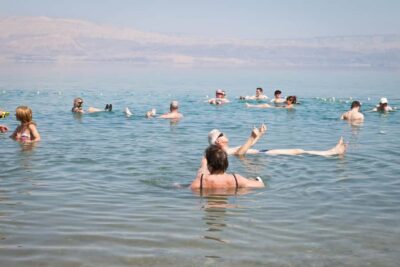
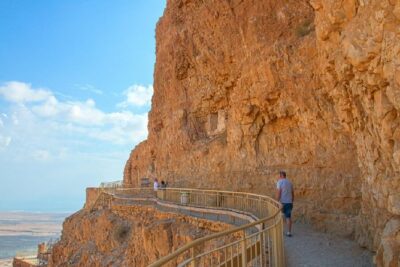
Masada and the Dead Sea Day Trip from Jerusalem
Read our review →
Day Tour to Jerusalem and Bethlehem from Tel Aviv
Read our review →
Browse the lists this tour appears in