
Reviewed · TOURS IN DUBAI
Explore the Backstreets of Old Dubai with an Insider
Dubai’s most useful history lesson may begin far from the skyscrapers. This four-hour walk takes you through Deira’s souks, across Dubai Creek by wooden abra, and into the wind-towered lanes of Al Fahidi. Guide Nada brings the old trading town into focus with stories about pearls, dress, faith, food, and family life.
I like the small group size, capped at 12, and the way the tour joins several old-Dubai sights into one walk. I also like that lunch, water at the restaurant, entrance fees, and mosque garments are included. The main consideration is the heat: this is a walking tour with plenty of standing, and summer visitors need to plan carefully.
Key points to know before you book
- Nada is the guide to look for: She is repeatedly praised for her clear explanations, warm manner, and ability to connect Dubai’s past with daily life today.
- The souks are for browsing and bargaining: You will see spices, gold, fabrics, scarves, souvenirs, and chocolate-covered dates, with practical help on how to negotiate.
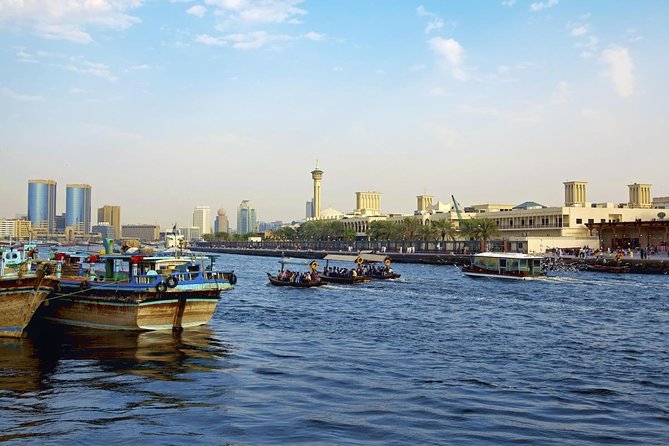
- The abra ride is brief but memorable: The wooden boat crossing gives you a useful view of Deira and the Creek from the water.
- Lunch is shared and pre-ordered: Expect several non-vegetarian Arabian dishes unless you request a vegetarian meal in advance.
- The tour links two old quarters: Deira is the commercial side, while Al Fahidi and Bur Dubai show old homes, religious sites, and restored lanes.
- You need comfortable walking shoes: The route includes souks, narrow streets, standing, and moderate physical activity in Dubai’s heat.
Why this tour is a useful counterpoint to modern Dubai
Dubai is easy to experience as a parade of towers, malls, fountains, and record-breaking attractions. Those sights are real, but they can leave you with little sense of the city before oil wealth and rapid construction changed its scale.
This tour turns your attention to Dubai Creek, where trade made the city possible. Deira’s markets, Bur Dubai’s older lanes, and Al Fahidi’s restored homes show a place built around merchants, sailors, pearl trading, religion, and extended families.
I especially like the way the experience connects the sights instead of treating them as isolated photo stops. A spice shop makes more sense after you hear about trade routes. The abra crossing feels more meaningful after you learn how the Creek linked communities. Wind towers become practical inventions, not just attractive backdrops.
The four-hour length works well for a first visit. You get a strong introduction without giving up a full day of sightseeing. The group limit of 12 should also make it easier to ask questions, hear the guide in crowded markets, and spend a little time on subjects that interest you.
The tour costs $118.62 per person, which is not a bargain-priced walking tour. Still, the price includes the guide, admission fees, the abra ride, and a traditional shared lunch. If you would otherwise pay separately for a meal, market visits, and several short guided stops, the package offers reasonable value for a visitor who wants context rather than only directions and photographs.
More Souk Walks in Dubai
- Dubai: Old Town, Creek, Museums, Souks, & Street Food Tour
★ 4.8 · 10,816 reviews - Dubai: Old Town, Souks, Street Food, Guided Tour & Abra Ride
★ 4.9 · 7,170 reviews - Dubai: Frame Tickets, Creek, Souks & Blue Mosque Guided Tour
★ 4.8 · 5,980 reviews
Starting in Deira, where old Dubai still trades
Your walk begins in Deira, one of Dubai’s oldest quarters. The meeting point is at the Al Shindagha Museum drop-off point A152 in the Al Fahidi area, with the tour ending in the Al Fahidi Historical Neighbourhood near Sharaf DG Metro Station in Bur Dubai. Check your confirmed departure carefully, since morning and afternoon options are offered and the supplied meeting details list a 9:00 am start.
Deira is the right place to begin because it still feels tied to buying and selling. Shopfronts and stalls line the streets, and the route leads into several markets rather than a single polished shopping center.
Nada explains how Dubai grew from a pearl trading town and how the Creek supported commerce. One engaging detail concerns the old way of finding shops: stalls were once identified by the vendor’s name, so people could call out for the seller they wanted. That small detail gives you a sense of a market built on personal relationships.
The Spice Souk, where the lesson begins with smell
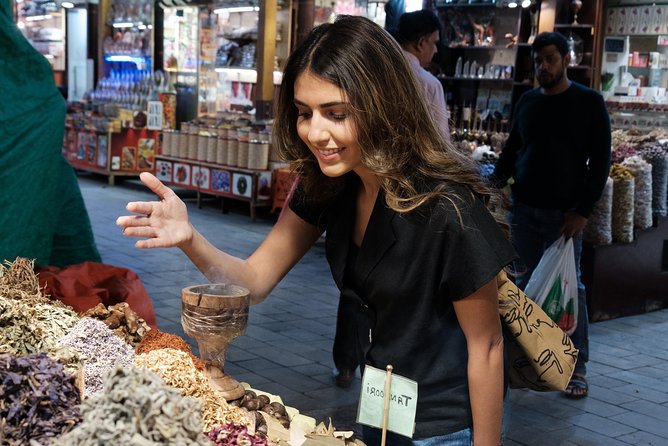
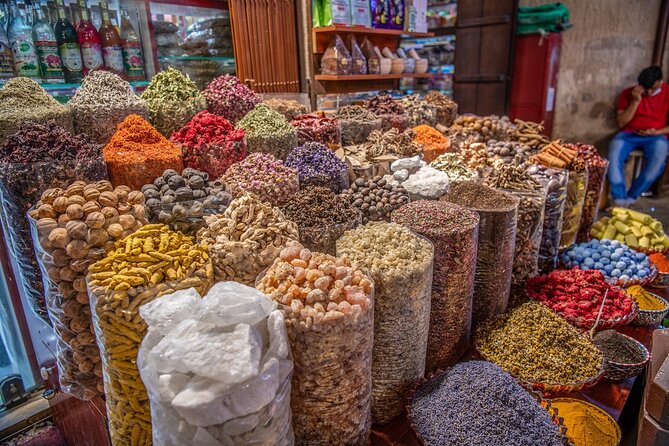
The Spice Souk is a short stop, about 30 minutes, but it gives the tour some of its strongest atmosphere. Shops carry saffron, spices, dates, sweets, and other food items. The smells do much of the work before the guide begins explaining how ingredients are used and where they come from.
You can browse freely, but this is also the point where shopping advice matters. Nada helps you understand what you are seeing and gives you a starting phrase for bargaining: ktir ghalee, meaning too expensive. You should treat the souk as a place to look, ask questions, and compare prices rather than feeling pressured to buy.
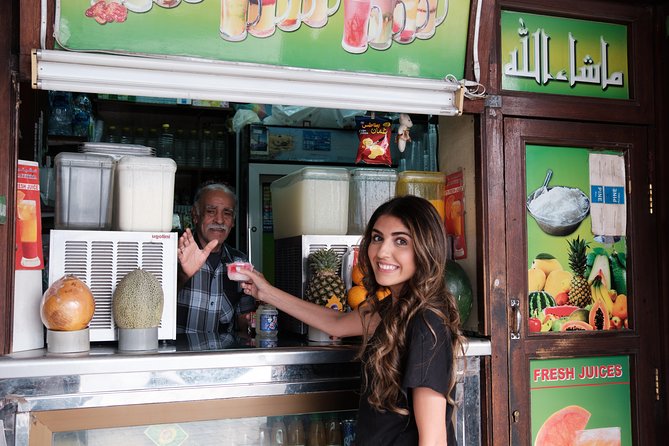
The tour description specifically mentions chocolate-covered dates, which gives the market a modern twist alongside traditional ingredients. If you enjoy food shopping, this may be one of the most useful stops. If you dislike commercial pitches, keep in mind that souks are working markets, not quiet museums.
Gold Souk, a short walk through Dubai’s jewelry trade
The Gold Souk takes about 20 minutes. You walk beneath covered passages lined with more than 300 shops, seeing the heavy displays of yellow metal that made this market famous.
The guide places the gold trade in a wider cultural setting, including the importance of gold during festive occasions. That context helps explain why these shops are more than a collection of flashy windows. Gold has a role in gifts, weddings, celebration, savings, and personal display.
You do not need to buy anything. The value of the stop is learning how the market functions and seeing the scale of the trade. Keep your group together, since the covered walkways can feel crowded and it is easy to lose sight of a guide while studying the displays.
Same base, a different sort of day:
- Dubai: Burj Khalifa Levels 124 & 125 Entry Ticket + Options
★ 4.3 · 90,891 reviews - Dubai: Desert Safari, Quad Bike, Camel Ride & Al Khayma Camp
★ 4.9 · 68,962 reviews - Dubai: Desert Safari, Quad Bike, Camel Ride and Sandboarding
★ 4.9 · 43,505 reviews - Dubai: Safari, Quad Bike, Camel Ride, and Buffet Dinner
★ 4.9 · 33,424 reviews
Textile Souk and the clothing of daily life
The Textile Souk shifts the focus from precious metal to fabric. This 20-minute stop is a maze of shops selling scarves, cloth, traditional garments, and familiar Dubai souvenirs.
A useful part of the visit is the explanation of national dress for men and women, including how each garment is worn. That matters because clothing can tell you about custom, faith, climate, and public life more clearly than a quick museum label.
You can browse for fabrics or souvenirs, but the textile market also has the same practical issue as the other souks: shopping can take over if you are not careful. If your main goal is cultural context, listen first and buy later, if at all.
Crossing Dubai Creek by wooden abra
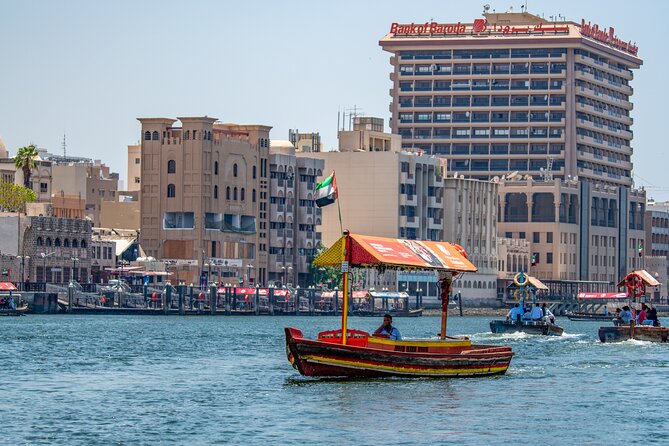
The abra ride lasts about 15 minutes and is one of the tour’s most enjoyable changes of pace. After walking through the markets, you board a wooden boat and cross the Creek, watching Deira’s high-rises from the water.
This is not a long cruise or a sightseeing boat with a running commentary. It is a simple crossing, and that is part of its appeal. The same waterway that now frames towers once served as Dubai’s main commercial artery. The ride lets you feel that connection instead of only hearing about it.
Bring your camera, but keep your expectations sensible. The ride is brief, and the boat may be busy. Its value comes from the setting and the link between the two sides of old Dubai.
Grand Bur Dubai Masjid and an introduction to Islam
The mosque visit lasts about 35 minutes. You receive an introduction to Islam’s core beliefs and the mosque’s architecture, while learning more about the religious life of Dubai.
Appropriate garments are provided at the mosque, which removes one practical worry. You should still dress modestly and wear light clothing suited to the heat. The stop calls for respectful behavior, quiet listening, and attention to local customs.
This is a good part of the experience for anyone who wants more than market photos. The mosque gives the tour a chance to explain faith as part of ordinary life, not as a separate attraction. The exact interior access may depend on local arrangements, so think of it primarily as a guided introduction to the site and its meaning.
The old Dubai Museum fort, viewed from outside
The former Dubai Museum is now closed, so you stop outside and learn about the fort from the guide. The building dates to 1787 and once served as the monarch’s premises and a defensive structure. It was once Dubai’s tallest building.
That makes this a short historical pause rather than a museum visit. You will not tour the exhibits, but the exterior still helps you picture the small settlement that existed before the modern city rose around it.
This is one of the few places where the tour cannot provide the full experience originally associated with the site. If you are expecting an indoor museum collection, adjust your plans. The guide’s explanation and the fort’s exterior are the useful parts for now.
Al Fahidi’s wind towers and narrow lanes
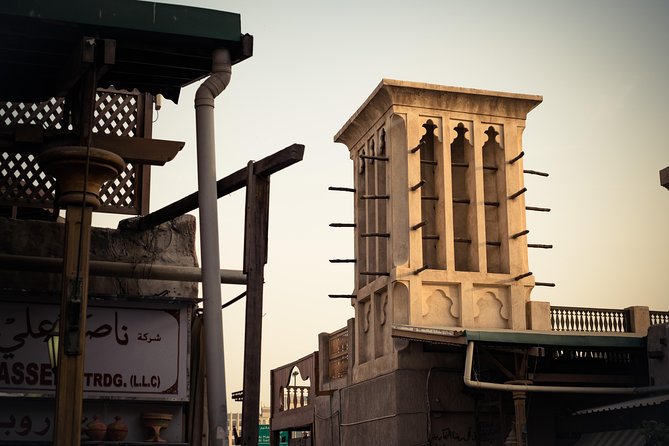
Al Fahidi Historical Neighbourhood is the architectural heart of the walk. The restored homes once belonged to merchants, and their sand-colored walls and wind towers show how people adapted to Dubai’s hot climate before air conditioning.
The wind towers are especially worth understanding. They were designed to catch and direct air into the home, offering relief from the heat through a simple architectural idea. Once you know their purpose, the lanes become easier to read. You are no longer looking at decorative towers only; you are seeing an old cooling system built into domestic life.
The walk through Al Fahidi takes about 45 minutes. Expect narrow lanes, courtyards, restored buildings, and frequent stops for explanation. The neighborhood is calmer than the souks, so it gives you time to connect the physical setting with stories about merchants, customs, and family life.
The tour ends in this area, which is convenient if you want to remain in Bur Dubai afterward. It is also near Sharaf DG Metro Station, making the finish practical for independent sightseeing.
A shared Arabian lunch in Al Fahidi
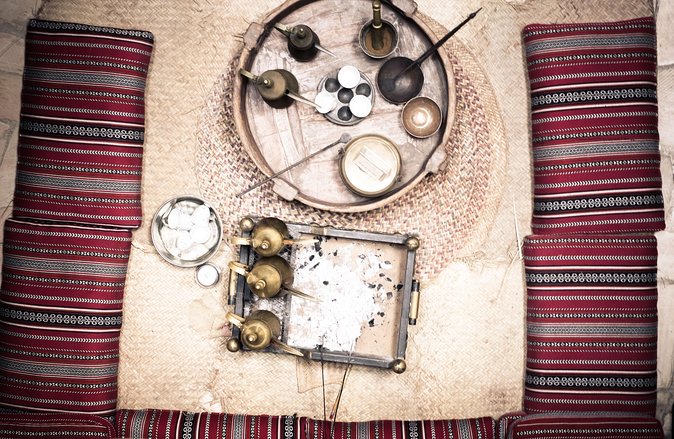
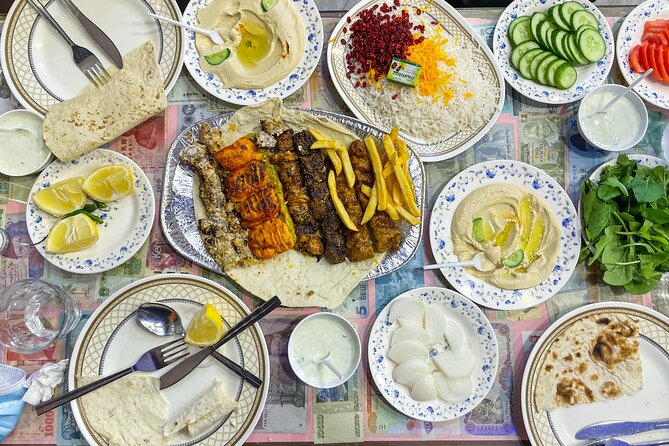
Lunch takes about an hour at a traditional restaurant. The guide pre-orders several dishes so you can sample different flavors and spices rather than choosing one isolated plate. Food is served on a sharing platter basis, and bottled water is included at the restaurant.
This format suits the tour because eating together keeps the conversation going. You can ask about ingredients, cooking methods, and customs while the guide answers questions. The meal also gives the walking route a proper pause before it ends.
The food is non-vegetarian by default, so tell the provider about dietary needs when booking. A vegetarian option is available on request. Soda is not included, and drinks beyond the included bottled water may cost extra.
A shared meal is not ideal for every eater. If you prefer a private order, strict control over ingredients, or a fast lunch, this arrangement may feel less flexible. For most people who want a local-style meal and are happy to share, it is a useful part of the price.
What Nada adds to the experience
The guide can make or break a walking tour, and Nada is central to this one. She is praised for being friendly, attentive, passionate, and able to explain Dubai in a personal way. Several people describe her as one of the best guides they have encountered, including on organized trips elsewhere.
The useful point is not simply that she knows facts. Her approach appears to connect the city’s past with customs you can see in front of you: dress at the Textile Souk, faith at the mosque, trade in Deira, food at lunch, and cooling design in Al Fahidi.
A small group helps here. With no more than 12 people, you should have a better chance of hearing explanations in the souks and asking questions without turning the walk into a private tour. The minimum group size is two, so the experience can be canceled if too few people book. If that happens, an alternate date or full refund is offered.
Heat, walking, and what to bring
This is a moderate walking experience, not a ride between air-conditioned attractions. You will stand in markets, cross uneven or crowded areas, walk through narrow lanes, and spend time outdoors. Good health and a moderate level of fitness are required.
Wear comfortable shoes and light fabric clothing. A hat, sunglasses, sunscreen, and your own bottled water are sensible, especially in summer. The restaurant provides bottled water, but you should not wait until lunch to hydrate.
The walking schedule may feel easy in cooler months and tiring in high heat. Morning departure is likely the better choice for people who want more comfortable conditions, while an afternoon option may suit those who prefer a later start. Confirm the exact departure time and meeting instructions after booking.
Who should book this Old Dubai walk
I would choose this tour if you want to understand Dubai beyond its newer attractions. It suits first-time visitors, repeat visitors who have only seen modern Dubai, and anyone who prefers food, markets, architecture, and conversation to a long list of photo stops.
It is also a good fit if you are comfortable with a shared lunch, moderate walking, and some shopping-market energy. Families can join, but children must be accompanied by an adult, and younger children may find the heat and standing tiring.
I would look elsewhere if you want a museum-heavy day, a private guide, extensive time for shopping, or a fully air-conditioned route. The former Dubai Museum is closed, and the tour’s focus is on streets, markets, architecture, faith, and food.
Should you book it?
Book this experience if you want the part of Dubai that skyscraper sightseeing leaves out. Nada’s strong personal guiding style, the 12-person limit, the abra crossing, and the shared Arabian lunch give the tour more substance than a basic souk stroll.
The price is fair when you use the included meal, admissions, and guided interpretation. Just come prepared for heat, walking, market activity, and a pre-ordered shared meal. For a compact introduction to Deira, Bur Dubai, and Al Fahidi, this is one of the better ways to give Dubai a human scale.
FAQ
How long does the Old Dubai tour last?
The experience lasts approximately four hours.
Where does the tour begin?
The meeting point is the Al Shindagha Museum drop-off point A152 in Al Fahidi, Dubai.
Where does the tour end?
The tour ends in the Al Fahidi Historical Neighbourhood in Bur Dubai, near Sharaf DG Metro Station.
What time does the tour start?
The supplied meeting details list a 9:00 am start. Morning and afternoon departures are available, so confirm the departure selected when booking.
How large is the group?
The tour has a maximum of 12 travelers. At least two people are required for the tour to operate.
Is lunch included?
Yes. A traditional Arabian meal is included, along with bottled water at the restaurant. The meal is served on shared platters.
Can I request vegetarian food?
Yes. You should provide dietary requirements when booking. The standard meal is non-vegetarian, and a vegetarian option is available on request.
Are admission fees included?
Yes. Admission fees and garments required for entry to the mosque are included. The former Dubai Museum is viewed from outside because it is currently closed.
What happens if I need to cancel?
You can cancel at least 24 hours before the start time for a full refund. Changes or cancellations made less than 24 hours before the start time are not accepted for a refund. If poor weather or insufficient numbers cancel the tour, you are offered another date or a full refund.
Just added in Dubai
- Escape Room: Escape Hunt Dubai – Jack The Ripper★ 5.0 · 95 reviews
- IMG World Of Adventure Dubai: Entry Tickets★ 4.5 · 28 reviews
- Hot air Balloon Dubai Magical Morning Without Breakfast★ 5.0 · 52 reviews
- Inside Burj Al Arab Dubai Guided Tour with Experience Package★ 4.0 · 52 reviews
- Inside Burj Al Arab Guided Tour with Transfer & Dinner Options★ 4.0 · 57 reviews
- Dubai Hot Air Balloon Ride with Breakfast, Falconry & Camel Ride★ 5.0 · 220 reviews
- Global Village Dubai★ 4.5 · 44 reviews
- Hot Air Balloon Sunrise Tour with free transport in Dubai★ 4.5 · 74 reviews
Tours in Dubai, compared.
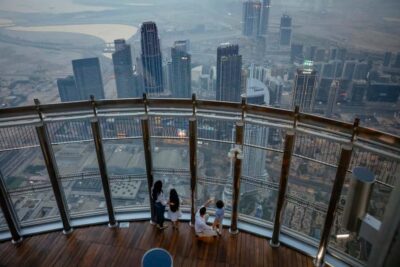
Burj Khalifa Levels 124 & 125 Entry Ticket + Options
Read our review →
Desert Safari, Quad Bike, Camel Ride & Al Khayma Camp
Read our review →
Desert Safari, Quad Bike, Camel Ride and Sandboarding
Read our review →
Safari, Quad Bike, Camel Ride, and Buffet Dinner
Read our review →
Red Dune Safari, Quad Bike, Camel Ride, BBQ Dinner
Read our review →
Premium Safari, Camel Ride & Al Khayma Camp 3-Buffets
Read our review →
Burj Khalifa Sky Level 148, 124, & 125 Entry Ticket
Read our review →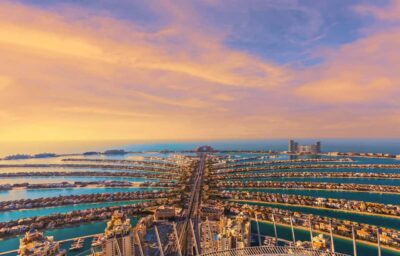
The View At The Palm Observatory Entry Ticket
Read our review →Browse the lists this tour appears in