
Reviewed · WADI & CANYON TOURS
Salalah: Wadi Darbat, Jabal Samhan, Baobab, Mirbat Sand Dune
East Salalah packs an astonishing amount into one day: a camel-filled wadi, a 4,000-foot mountain viewpoint, old forts, giant baobab trees, a sinkhole, and golden dunes by Mirbat. This $76 tour is built for seeing that variety without arranging your own car or route.
I especially like the mix of nature and Dhofari culture, plus the guides’ personal service. Adel, Mohammed Ali, Salim, Tariq, and others are repeatedly praised for explaining local history, stopping for photos, and adjusting the day when weather blocks a viewpoint. The main drawback is seasonal: outside the Khareef monsoon, Wadi Darbat may have little water and no waterfall, while mist can hide Jabal Samhan.
The best parts of the East Salalah day

- Wadi Darbat’s animal encounters: Camels, horses, and cattle may gather near the water, adding life to the valley.
- Jabal Samhan’s cliff edge: At about 4,000 feet, the view can put you above the clouds.
- A useful culture-and-nature combination: Taqa Castle and an old Dhofari house balance out the outdoor stops.
- Rare baobab trees: Wadi Hinna offers a memorable look at these huge, unusual trees.
- A proper variety of scenery: You move from coast to wadi, mountain, sinkhole, desert, and beach country.
- Flexible guiding: Guides often help with photographs, extra stops, timing, and substitutions when fog or weather interferes.
Why this Salalah tour works so well
Many Salalah excursions focus on one theme. This one tries to show you the eastern side of Dhofar in broad strokes. You get old Taqa, green or dry wadis, high mountain country, unusual trees, a gravity trick, and sand dunes in one outing.
That variety is the main value. At $76 per person, the price is not simply paying for a drive to one famous viewpoint. It covers hotel pickup and return in Salalah or Hawana Salalah, a guide, bottled water, and transport in a Jeep or SUV. For a short stay, I think that makes the tour a practical way to understand how quickly Dhofar changes from coast to mountain.
It is also useful for solo visitors. Group excursions can be hard to find for one person, yet this operator accepts solo bookings. One solo participant described meeting a pleasant group and receiving help with photographs, a small but important point if you want pictures of yourself rather than only scenery.
The experience is offered as a half-day or full-day outing. The shorter version covers the eastern sights through Wadi Darbat and the nearby cultural stops, while the full-day option adds Tawi Attair Sinkhole, Jabal Samhan, the baobabs, Gravity Hill, and Mirbat Sand Dunes. Confirm the exact duration and stops when booking, since the available start time determines what fits.
More wadis within reach of Oman:
- From Muscat: Wadi Shab & Bimmah Sinkhole Full-Day Tour
★ 4.8 · 1,862 reviews - Muscat: Wahiba Desert and Wadi Bani Khalid Guided Group Tour
★ 4.8 · 820 reviews - Muscat: Wadi Bani Khalid Oasis & Oman Desert Tour
★ 4.8 · 434 reviews
Taqa begins with cliffs, fishing, and old homes
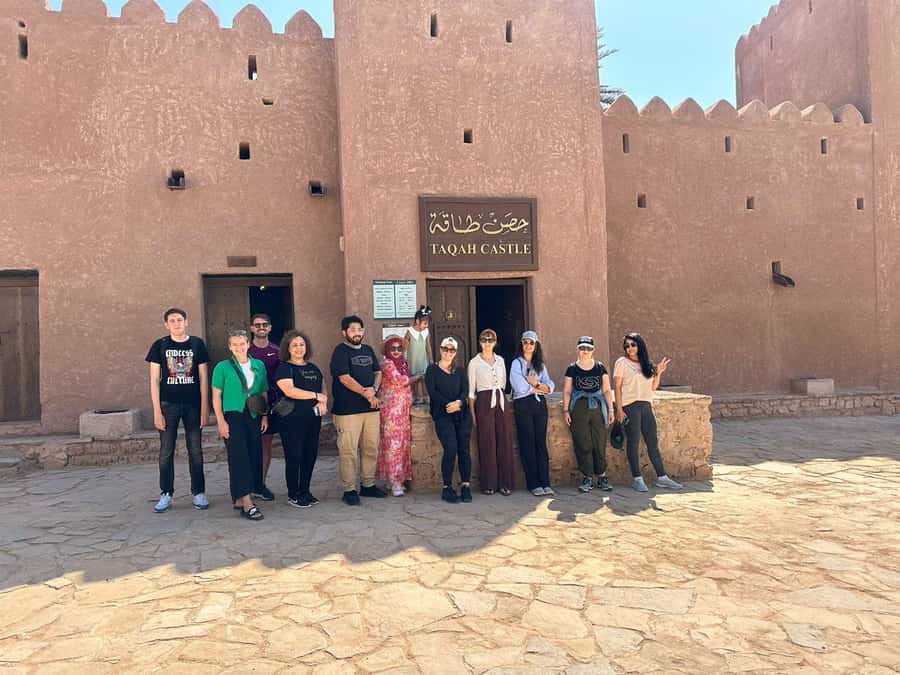
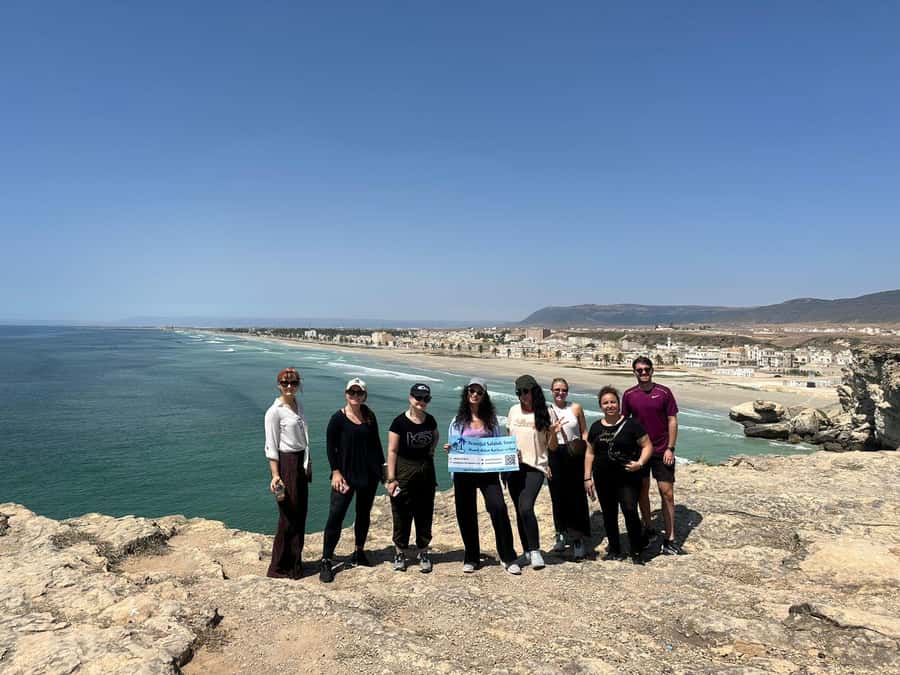
Your first major stop is Taqa, a coastal town east of Salalah. The town still has a traditional fishing identity, and the shore can bring views of local fishing activity and birds. From the Taqa cliff, you look down toward the town and the sea, making this an early photo stop with a strong sense of place.
Taqa Castle gives the cultural side of the tour a clear beginning. The 19th-century building helps explain the town’s role in the old Dhofari settlement pattern. You can visit inside for an additional fee, or simply see the exterior if you prefer to keep costs down.
You may also be offered Taqah Fort, known as Burj Al Askar, a lookout above the coast and castle. Koofan Heritage House is another optional stop, with a 150-year-old Dhofari home. I like that you can choose among these sites instead of paying for every entrance ticket automatically. Still, you should carry cash or a card if you want to go inside, since admission is not included.
The timing here matters. Thirty minutes at a fort is enough for a look and photographs, but not for a slow museum visit. If old buildings are a major reason you came to Oman, ask your guide how much time is available before deciding which optional site suits you best.
Wadi Darbat brings the day to life
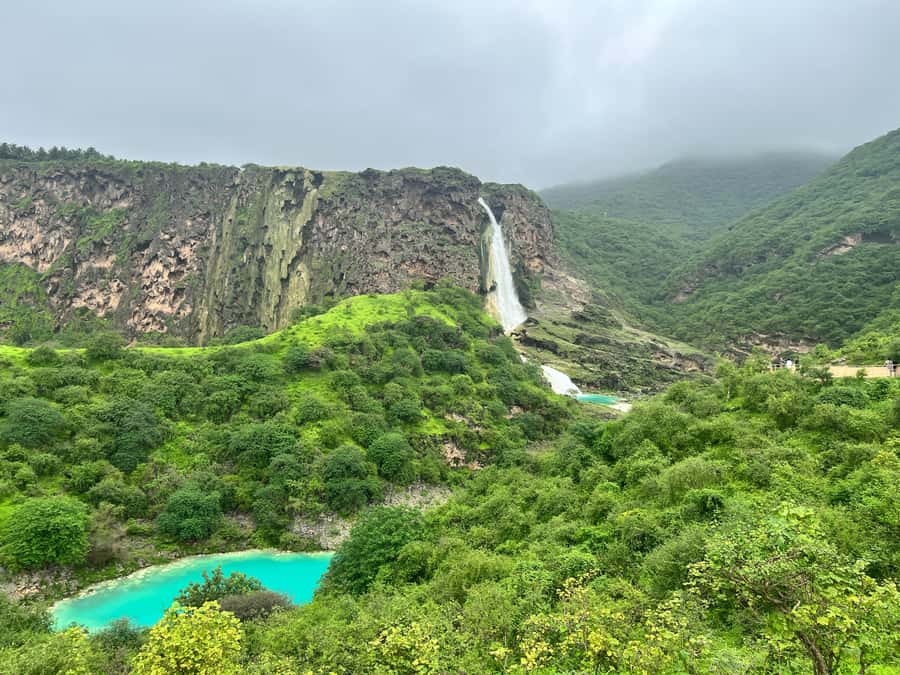
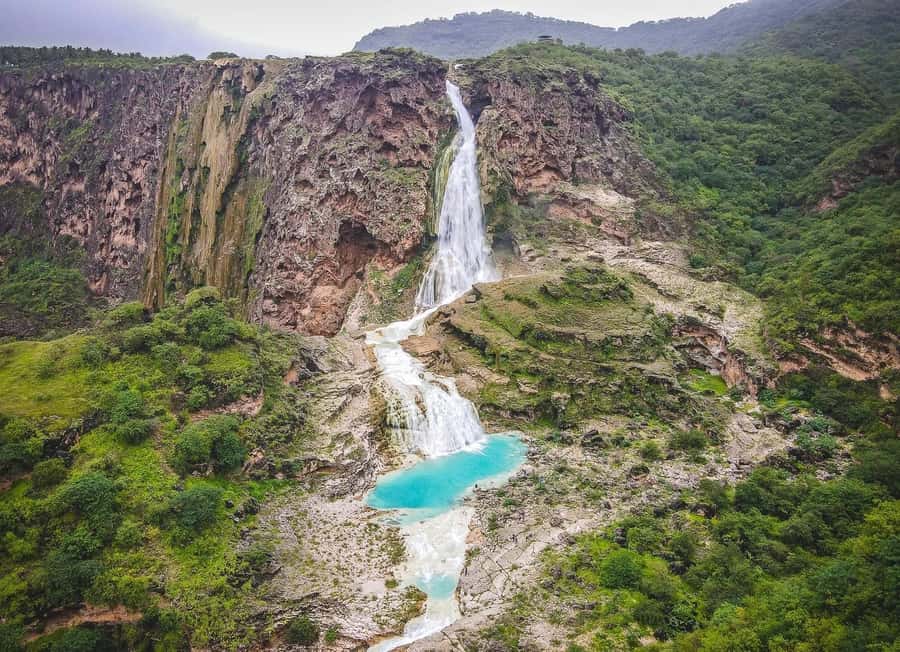
Wadi Darbat is the emotional center of the outing. In the Khareef season, rain and mist can turn the valley green, with seasonal waterfalls flowing from the Jabal Al Qara mountains. Outside the monsoon, the valley can be much drier, and the waterfalls may be absent. The wadi remains worthwhile for its scale, open views, animals, and easy access, but you should set realistic expectations about water.
Camels are one of the memorable details here. They may wander close to the water, and horses and cattle have also been seen in the same general area. That mix gives Wadi Darbat a more natural, lived-in feeling than a polished park attraction.
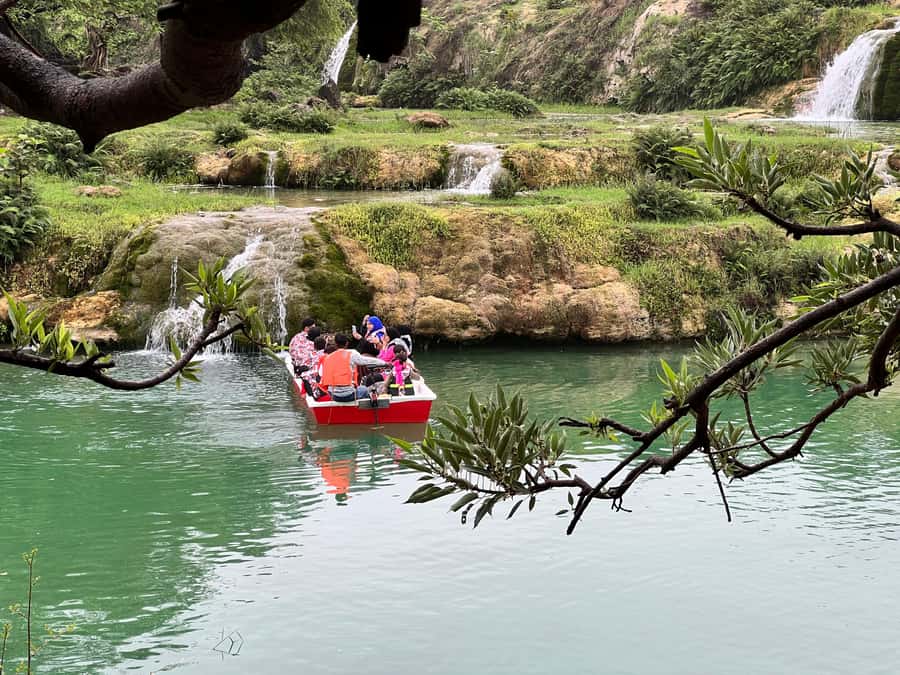
The standard visit lasts about an hour, followed by an optional 30-minute boat cruise. Kayaks and boats use a canal, and animals sometimes come down to cool off nearby. Boat and kayak fees are extra. One useful practical point: if you take a ride, allow enough time to get back to the vehicle, especially if your group is splitting between activities.
You can also eat at Wadi Darbat or bring your own food. There is no dependable restaurant stop during the full route, so eat breakfast before pickup and pack snacks or lunch. A previous group did not stop for a formal lunch, although a stop can be requested. It is better to speak up early than wait until everyone is hungry.
The strongest seasonal contrast comes from the visitor comments: some outings describe lovely waterfalls, swimming, and lush scenery, while dry-season departures found the river and falls almost empty. Neither version is misleading if you understand Dhofar’s weather cycle. I would choose Khareef for green scenery and flowing water, and another season for clearer mountain views and less mist.
Tawi Attair is the dramatic stop below the mountain
On the full-day route, the next major stop is Tawi Attair, often called the Birds Well. It is a very large sinkhole, and the scale is hard to grasp from a quick photograph. The stop is usually around 30 minutes, enough for a look and pictures rather than a long hike.
The supplied experience information does not promise a descent into the sinkhole. If walking down or swimming is important to you, ask before departure rather than assuming those activities are included. One seasonal suggestion was to allow more time for a walk into the sinkhole, but the standard plan is a viewpoint visit.
From there, the route climbs toward Jabal Samhan. The drive itself is part of the appeal, as the coastal lowlands give way to high mountain country. The road time is broken into short sections, so you are not trapped in the vehicle for hours at once.
Same base, a different sort of day:
- Muscat: Daymaniat Islands Snorkeling Trip with Brunch
★ 4.7 · 2,317 reviews - Muscat: Half-Day Sightseeing Essentials Tour and Audio Guide
★ 4.2 · 598 reviews - Khasab: Half-Day Dhow Cruise, Dolphin Watching, & Snorkeling
★ 4.9 · 507 reviews - Muscat: Daymaniat Islands Snorkeling Tour with Refreshments
★ 4.7 · 426 reviews
Jabal Samhan puts the whole region in perspective
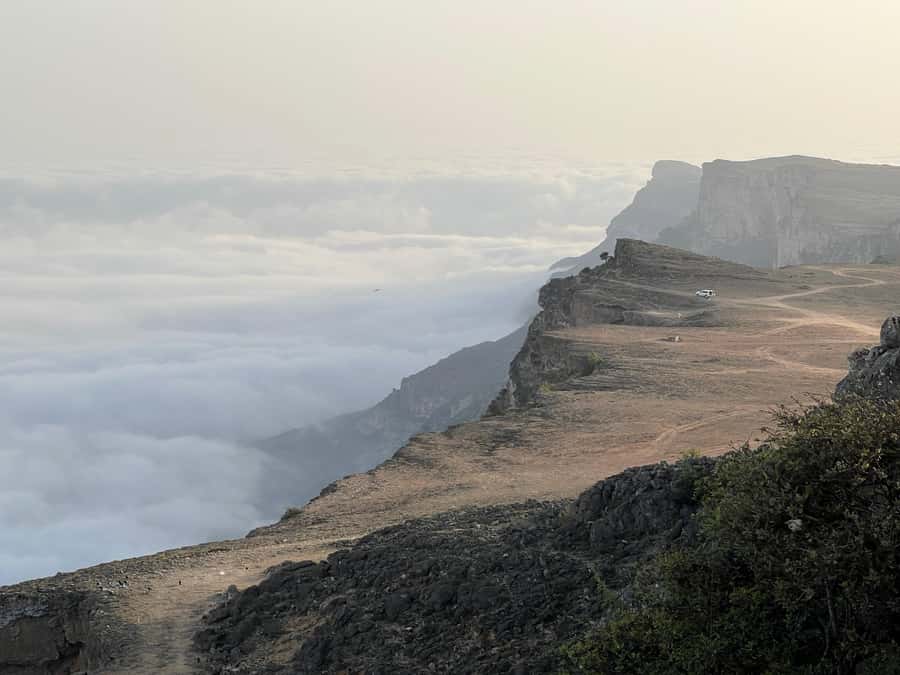
At roughly 4,000 feet, Jabal Samhan offers the day’s biggest sense of height. From the viewpoint, cliffs fall away toward the lower country, and clouds can roll against the mountain edge. On a clear day, this is the place that explains Dhofar’s geography in one glance.
Mist is the deciding factor. In July, one group could not reach the viewpoint because conditions were too foggy, but the guide replaced that part of the schedule with other activities. That flexibility matters in Salalah, where weather can change the character of a site without warning.
You should wear shoes with a firm sole here. The tour is not presented as a demanding hike, but there may be uneven ground and short walks at several stops. The experience is not suitable for people with mobility impairments, and pregnant people are advised not to book it. Anyone who dislikes heights should stay well back from cliff edges and follow the guide’s instructions.
Baobab trees and Gravity Hill add surprise
Wadi Hinna brings a completely different kind of spectacle. Its ancient baobab trees are unusual in this part of the world, with thick trunks and broad, strange shapes that make them feel almost prehistoric. The visit is brief, around 15 minutes, but the trees are distinctive enough to justify the stop.
This is one place where a guide adds real value. The trees are not just large plants to photograph. Their shape, age, and rarity help explain why the Dhofar countryside feels different from the rest of Oman. Ask your guide about the local name and the role these trees play in the area.
Gravity Hill provides a lighter moment. The vehicle is placed in neutral on a slope, creating the impression that it rolls uphill. It is a simple roadside demonstration, not a major attraction, but it breaks up the long day and gives you something amusing to try with your camera.
Do not expect a full attraction complex at either location. The baobabs and Gravity Hill are short stops within a larger route. Their value comes from contrast: after cliffs and a sinkhole, the tour gives you an odd tree and a roadside optical illusion.
Mirbat’s dunes finish the route on a high note
The final major stop is the Ad Damar sand dunes near Mirbat. Golden sand meets mountain scenery and the coastline, giving the day a final change of color and texture. The visit lasts about 20 minutes, which is enough to walk a little, take photographs, and enjoy the open view.
I like the placement of this stop. After the green or dry wadi and the high mountain viewpoint, the dunes make clear how varied eastern Dhofar is. You are not seeing one endless type of scenery. You are crossing a compact region with coast, desert, mountains, and valleys.
The dune stop is short, so wear shoes that you can comfortably remove or clean. Bring water, which is supplied on the tour, but keep your own bottle or snacks handy as well. The day can run from four to eight hours depending on the version booked, group timing, and optional activities.
The guides shape the quality of the day

The strongest part of this experience is the guiding. Adel is praised for clear English, local stories, patience, and taking excellent photographs. Mohammed Ali is repeatedly singled out for warmth, humor, cultural knowledge, and extra effort, including arranging a birthday cake and flowers for one guest.
Salim has been especially good at managing weather changes and offering practical advice about other Salalah sights. Tariq, Abo Salim, M. Ibrahim, Majid, Abdallah, and other guides have also received strong praise for their explanations, driving, and willingness to stop for photographs.
That does not mean every group experience will feel identical. A language-specific group can share the same vehicle while having separate guides, and one person found that arrangement confusing and rushed at Wadi Darbat. If you are joining a mixed-language departure, ask how the guide assignment works. Clear communication at pickup can prevent frustration later.
The group size can vary. One outing had six people, and the vehicle is a Jeep or SUV rather than a large coach. That generally suits this route, since a smaller vehicle feels more practical at viewpoints and on the long eastern loop. You should still expect some waiting if another person chooses boating, horse riding, or a longer photo stop.
What to bring and what to wear
Eat breakfast before pickup. Bring lunch or substantial snacks, because the route visits natural sites rather than a reliable restaurant district. Food is not included, although the guide can stop for lunch if requested.
Pack comfortable clothes, walking or hiking shoes, cash, and a credit card. Omani modest dress is required: cover your shoulders and knees, and avoid shorts, mini-skirts, sleeveless tops, and low necklines. This matters at the heritage sites and in local communities, as well as for general respect.
Bottled water is included. If you want to take a boat or kayak at Wadi Darbat, pay separately. Entrance to Taqa Castle, Burj Al Askar, and Koofan House is also extra, so budget for those choices rather than treating them as part of the $76 price.
The tour provides hotel pickup and drop-off in Salalah and Hawana Salalah, including apartments. Pickup from Salalah port and airport is also offered at no extra cost. Mirbat and Hinu Bay accommodation carries an additional OMR 10 per group.
Is the $76 price fair?
I think the price is fair if you want a broad introduction to eastern Dhofar and do not have a rental car. You are paying for transport across a wide route, a live guide, hotel transfers, water, and the convenience of combining places that would be awkward to reach in one short stay.
The value is weaker if you want long walks, a guaranteed waterfall, or extended time at every historic site. Optional activities and entrance fees add to the base price, and the full-day plan covers many stops at a quick pace. The half-day option may suit you better if you prefer less time on the road.
Free cancellation up to 24 hours ahead and reserve-now, pay-later terms make the booking less rigid. That is useful when your Salalah plans depend on weather. If a mountain viewpoint is central to your decision, check the forecast and ask the operator which version of the route is running.
Who should book this experience?
I would choose this tour if I had one or two days in Salalah and wanted to see more than the city. It suits couples, solo visitors, families with older children who can manage short walks, and anyone interested in both scenery and Omani culture.
It is less suitable if you have mobility limitations, are pregnant, dislike changing vehicles or outdoor heat, or need a slow, highly specialized heritage tour. It also requires flexibility. The waterfall may be dry, the mountain may disappear into mist, and optional activities may change how long the group spends at Wadi Darbat.
Book it for variety, not guarantees. You may get a green valley and flowing falls in Khareef, clear high views in a drier month, or a weather-adjusted route that replaces a blocked viewpoint. In every season, the combination of Taqa, Wadi Darbat, the sinkhole, baobabs, and Mirbat gives you a useful sense of Dhofar in a single day.
FAQ
How much does the Salalah East Side tour cost?
The listed price is $76 per person. Optional entrance tickets, boating, kayaking, and food cost extra.
How long does the experience last?
The activity is offered in four to eight-hour versions. The exact duration depends on the half-day or full-day option and the available starting time.
What places are included on the full-day route?
The full-day route includes Taqa Castle, Taqah Fort or Burj Al Askar, Wadi Darbat, Tawi Attair Sinkhole, Jabal Samhan, Wadi Hinna’s baobab trees, Gravity Hill, and Mirbat Sand Dunes.
Is Wadi Darbat green and full of waterfalls all year?
No. The waterfalls and thick greenery are seasonal and are strongest during Khareef. In the dry season, the wadi and river may have little water.
Are boat rides and kayaking included?
No. Boat rides and kayaking at Wadi Darbat are optional and cost extra.
Are heritage-site entrance fees included?
No. Entry to Taqa Castle, Taqah Fort or Burj Al Askar, and Koofan Heritage House is optional and not included.
What languages can the guides speak?
Guides are available in English, Polish, Italian, German, and Arabic.
Where is hotel pickup available?
Pickup and drop-off are included from hotels and apartments in Salalah and Hawana Salalah. Pickup from Salalah port and airport is also available without an extra charge. Mirbat and Hinu Bay accommodation costs an additional OMR 10 per group.
What should I bring?
Bring comfortable clothes, comfortable or hiking shoes, cash, a credit card, and your own snacks or lunch. Eat breakfast before the tour, and dress modestly with shoulders and knees covered.
Just added in Oman
- From Muscat: Nizwa and Jebel Shams Day Trip★ 4.8 · 153 reviews
- From Muscat: Desert Overnight and Wadi Bani Khalid★ 4.4 · 31 reviews
- From Muscat: Dimaniyat Islands Snorkeling Tour★ 4.7 · 59 reviews
- From Muscat: Guided Overnight Desert Camp Tour★ 4.9 · 28 reviews
- From Khasab: Fjords of Musandam Dhow Cruise & Buffet Lunch★ 4.7 · 55 reviews
- From Dubai to Norway of Arabia|Telegraph Island| Dhow Cruise★ 4.9 · 91 reviews
- From Al-Seeb: Dimaniyat Islands Boat Trip with Snorkeling★ 4.8 · 87 reviews
- Muscat: Evening Guided City Highlights Tour by Van★ 4.8 · 175 reviews
Wadi & Canyon Tours, compared.
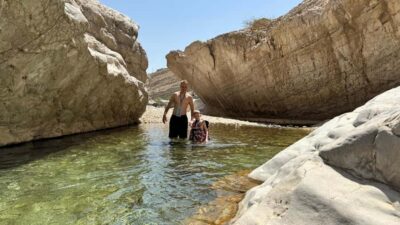
Wahiba Desert and Wadi Bani Khalid Guided Group Tour
Read our review →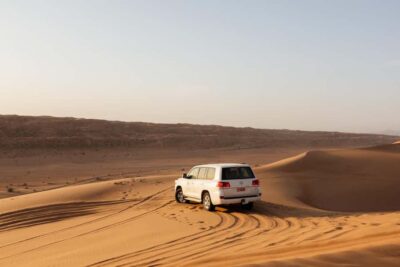
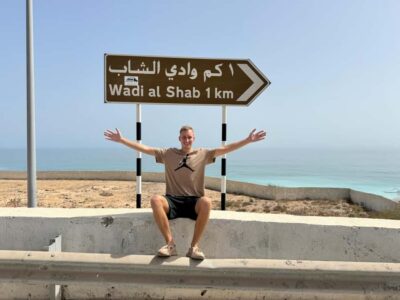
Oman’s Hidden Gems: Wadi Shab & Bimmah Sinkhole
Read our review →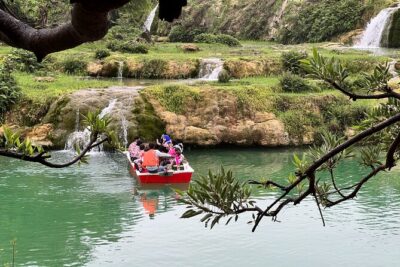
East Salalah Mountain Safari, Wadi Darbat, Beach, Camels, Dunes
Read our review →
Browse the lists this tour appears in