
Reviewed · BURJ KHALIFA & DUBAI LANDMARKS
Dubai: Top Must-See Sights Tour with Burj Khalifa At The Top
Dubai packs old creekside neighborhoods, royal palaces, giant malls, and record-breaking towers into one city. This private six-hour tour gives you a fast but thoughtful introduction, beginning with Al Fahidi and the souks before moving through the modern districts and finishing with Burj Khalifa’s At The Top observation decks.
I like two things right away: you cross Dubai Creek by a real abra, not just a tour vehicle, and you have a guide who can adjust the pace for your family or interests. Guides including Ahmed, Subhan, Farhan, and Ashraf have been praised for explaining the city clearly, helping with photographs, and offering practical shopping advice. The catch is simple: this is a packed schedule, so several modern landmarks are photo stops rather than full visits.
Key points to know before booking
- Old Dubai comes first: Walk Al Fahidi and Bastakiya, try local tea, coffee, dates, and snacks, then cross the creek by abra.
- The souks are shopping stops: You get time at the Gold, Spice, and Textile Souks, but this is not a long market tour.
- Private means flexible: Your English-speaking guide can adjust stops and timing, subject to the six-hour limit.
- Burj Khalifa access is included: The ticket covers At The Top levels 124 and 125, with skip-the-line access.
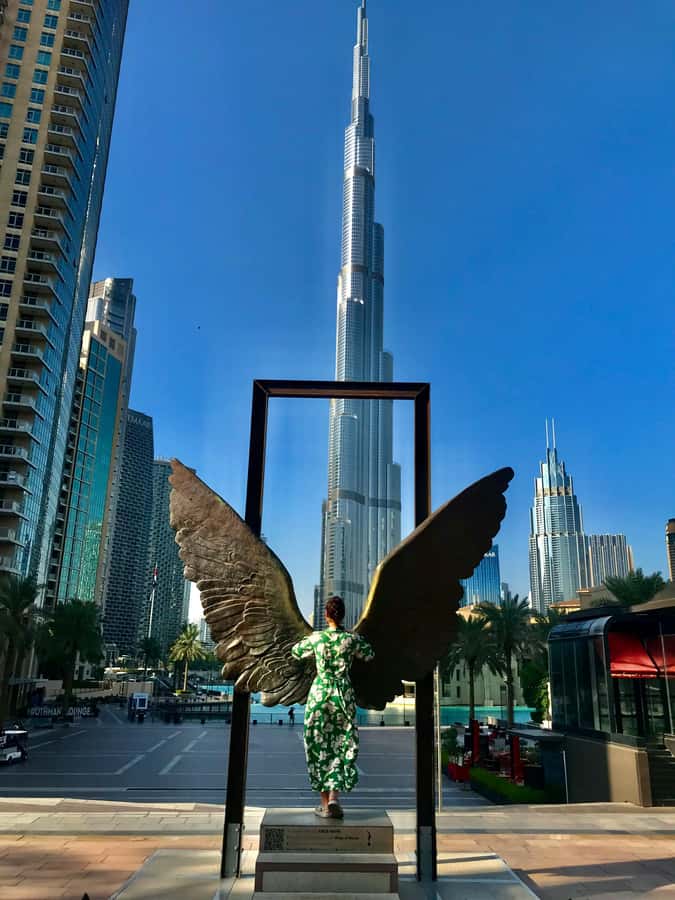
- Modern Dubai is mostly viewed from outside: The Museum of the Future, Dubai Frame, Burj Al Arab, Palm Jumeirah, and Atlantis are mainly photo or sightseeing stops.
- The price reflects privacy: At $179 per person, the tour costs more than a shared bus outing, but includes private transport, a guide, the abra ride, and Burj Khalifa admission.
Why this tour works as a first look at Dubai
Dubai can be hard to read from a taxi window. One minute you are beside a glass tower, and the next you are in a narrow lane near the creek with spice sacks, old wind towers, and small shops. This tour connects those two versions of the city in one route.
The private setup matters. You are collected in an air-conditioned vehicle and do not spend the day waiting for a large group to get on and off a bus. You can ask questions as you go, stop for photographs, and request a change of emphasis. One family used the flexibility to accommodate a child’s wishes, while another group asked for help finding suitable places to buy food and souvenirs.
Your guide is also your driver, and the best guides add context between stops. Subhan, Ahmed, Farhan, Ashraf, Abid, and others have been singled out for clear explanations of Dubai’s growth, culture, buildings, and infrastructure. Guide quality can vary from one departure to another, but the repeated praise for patience, courtesy, and useful local advice is a strong point.
The main limitation is time. Six hours sounds generous, but Dubai is spread out, and the route covers a lot. Al Fahidi and the creek deserve lingering. The Frame, Future Museum, royal palace, Burj Al Arab, and Palm Jumeirah are then fitted around the souks and Burj Khalifa. Think of this as a well-organized city orientation, not a slow museum-and-market day.
More landmark tickets in Dubai:
- Dubai: Burj Khalifa Levels 124 & 125 Entry Ticket + Options
★ 4.3 · 90,891 reviews - Dubai: Burj Khalifa Sky Level 148, 124, & 125 Entry Ticket
★ 4.6 · 23,827 reviews - Dubai: The View At The Palm Observatory Entry Ticket
★ 4.6 · 22,529 reviews
Al Fahidi and Bastakiya: Dubai before the skyscrapers
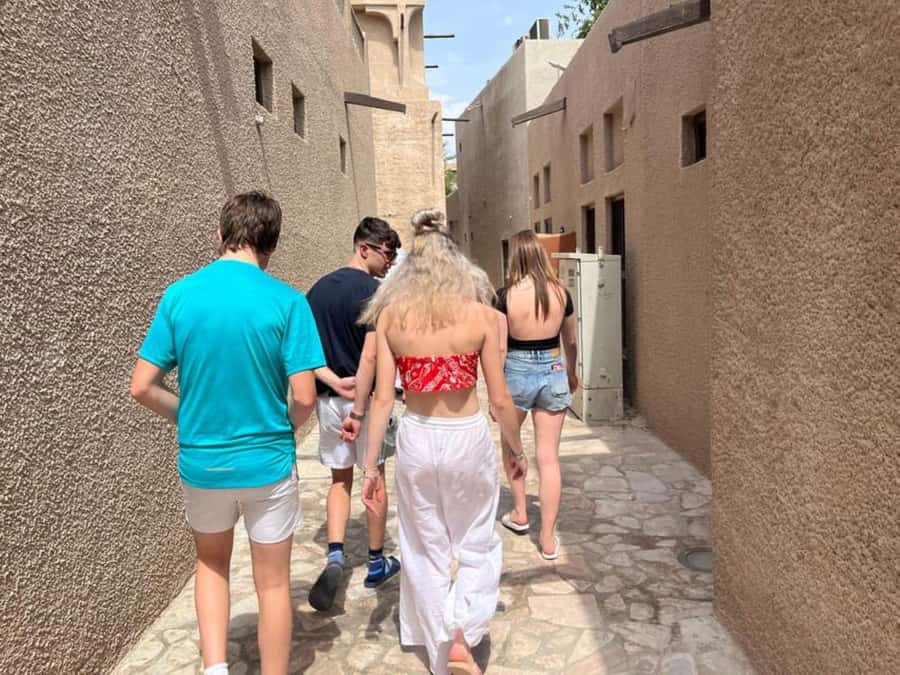
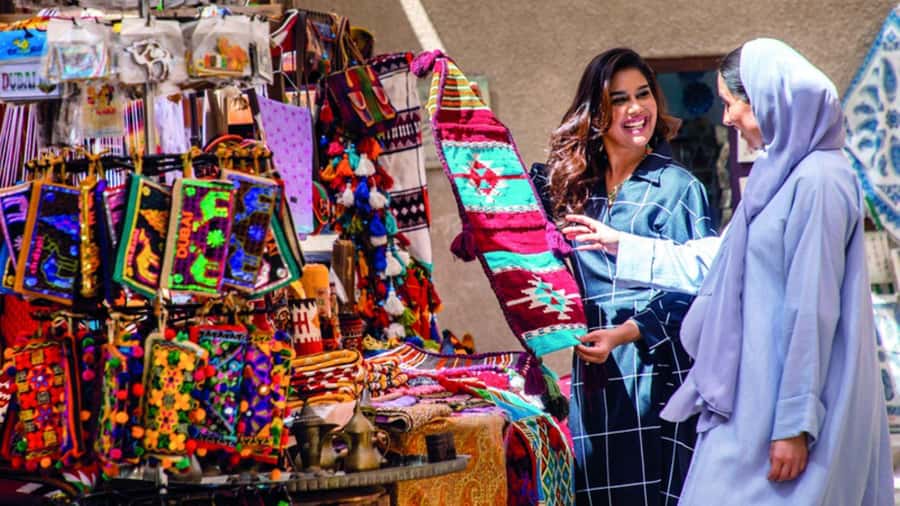
The tour begins in Old Dubai at Al Bastakiya and Al Fahidi, where you walk through narrow lanes and see a different side of the emirate. The area’s traditional architecture, courtyards, and wind-tower forms offer a useful introduction to life before Dubai became a global business and tourism center.
Your guide explains the local setting as you walk. This is one of the strongest parts of the experience because you are not merely taking photographs of old walls. You can ask how the creek supported trade, how homes were designed for the heat, and how the city changed over time.
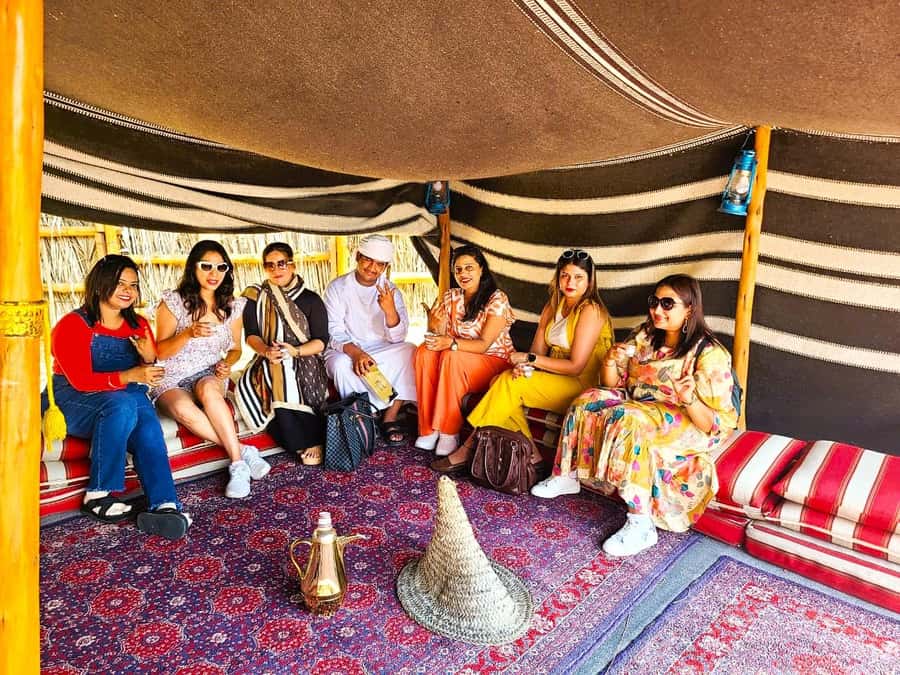
Tea or coffee, dates, and local snacks are included. Depending on the timing and availability, you may also have a small tasting of Emirati food, such as the dates and zaatar bread enjoyed by one recent group. These samples are modest, but they give the opening walk a human touch.
Allow yourself to slow down here. The later stops are more about seeing famous buildings, while Al Fahidi rewards attention to details such as doors, shaded passages, and building materials. If you want a fuller cultural visit, tell your guide early that you would rather have a little more walking time in the old quarter.
Crossing Dubai Creek by abra
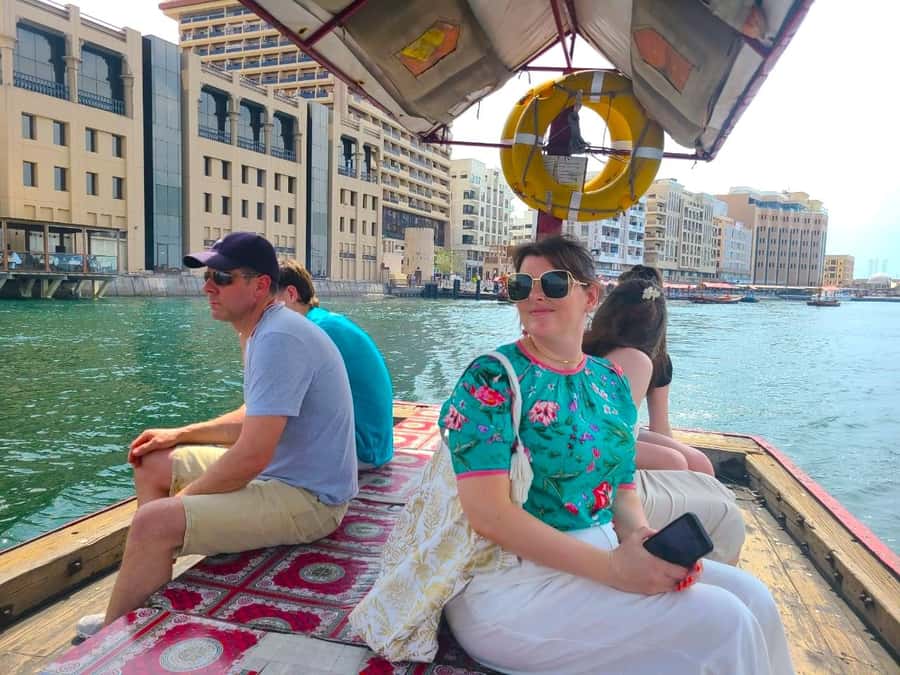
From Bur Dubai, you cross Dubai Creek to Deira by traditional abra. The ride is short, but it is an important part of the day. The creek is not just scenery. It is the waterway that links the older trading districts, and the boat ride helps you understand why the souks developed where they did.
I prefer this kind of small transport link to simply driving between attractions. It breaks up the private vehicle time and gives you a direct connection with the city’s older rhythm. You can look back at the creekside buildings, watch the water traffic, and reach Deira as shoppers and traders have done for generations.
The abra is a working ferry, not a long sightseeing cruise. Do not expect an extended boat tour or commentary throughout the crossing. Its value is in the short, authentic transition from one historic district to another.
Gold, Spice, and Textile Souks
The Deira portion includes the Gold Souk, Spice Souk, and Old Textile Market. You can browse jewelry, spices, fabrics, handicrafts, and other local goods, with time set aside for shopping and tastings.
The Gold Souk is visually striking, but remember that this is a shopping area. Prices, quality, and sales practices require your attention. A private guide can be useful here because you can ask where to browse and how to compare goods. Several guides have also helped guests understand where to shop and where not to buy, which is practical advice in a market built around negotiation.
The Spice Souk offers stronger sensory appeal. You may see sacks of spices and food products arranged for display, and the tour includes a food tasting. The stop is fairly short, so decide in advance if you want photographs, a quick purchase, or a serious shopping session.
The Textile Market gives you a chance to look at fabrics and traditional clothing. If you are shopping for gifts, the private format is helpful because you do not have to keep pace with a bus group. Still, do not assume every souk stop will allow a leisurely hour. One itinerary estimate described around 20 minutes at each of the main shopping areas, which is enough for an overview but not for extended bargaining.
Same base, a different sort of day:
- Dubai: Desert Safari, Quad Bike, Camel Ride & Al Khayma Camp
★ 4.9 · 68,962 reviews - Dubai: Desert Safari, Quad Bike, Camel Ride and Sandboarding
★ 4.9 · 43,505 reviews - Dubai: Safari, Quad Bike, Camel Ride, and Buffet Dinner
★ 4.9 · 33,424 reviews - Dubai: Red Dune Safari, Quad Bike, Camel Ride, BBQ Dinner
★ 4.9 · 32,185 reviews
The Future Museum, Dubai Frame, and Zabeel Palace
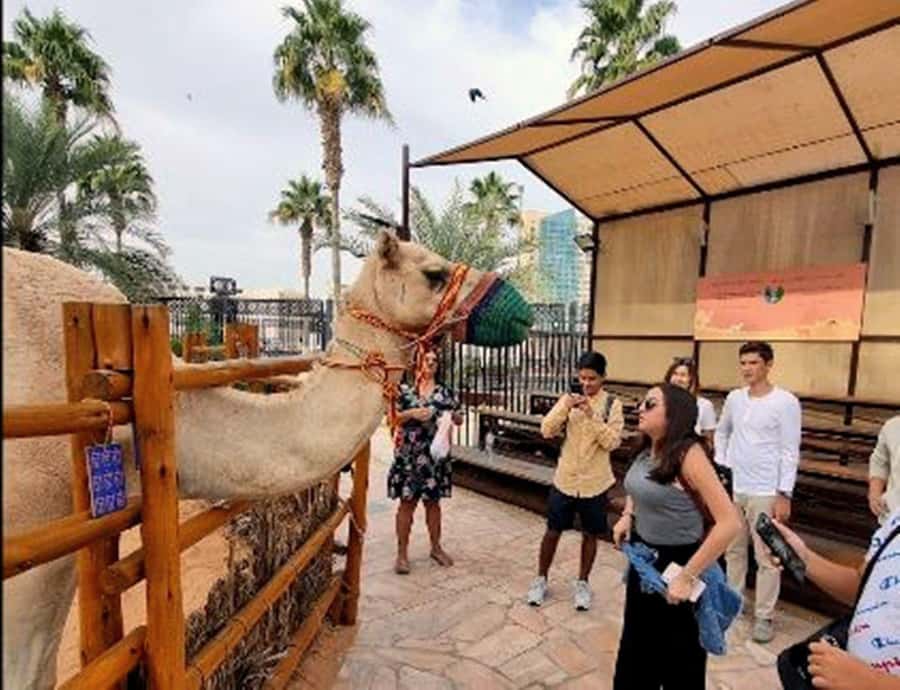
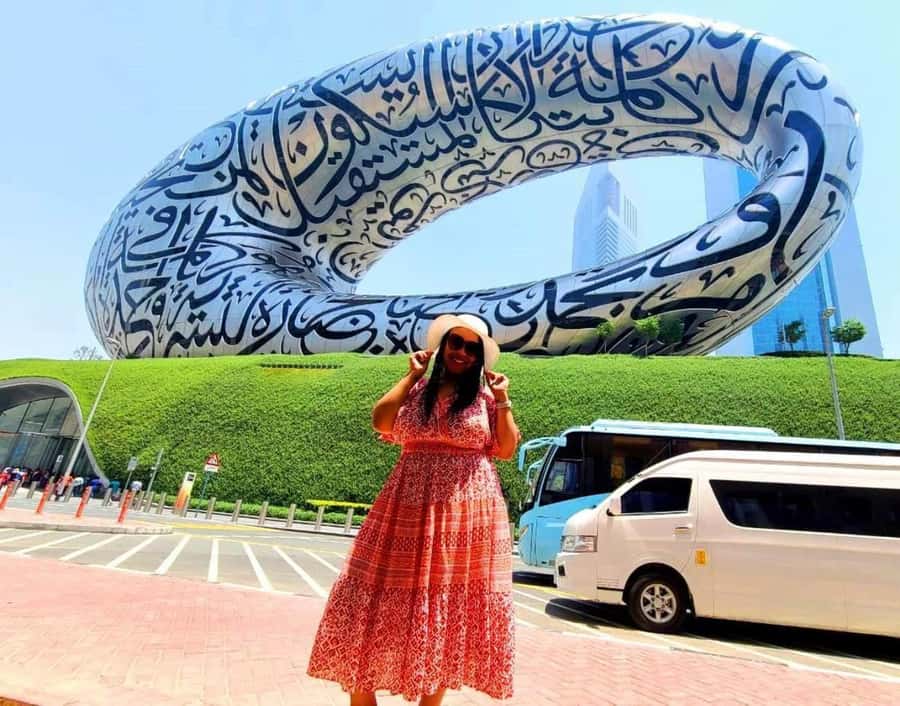
The route then shifts sharply into modern Dubai. The Museum of the Future is a major photo stop, with its silver torus form and Arabic calligraphy. The exterior is the main attraction on this tour. You can see the ground-floor area, but a full museum admission is not included.
Tickets may be arranged at an extra cost when available. Since availability and price can change, decide before the tour if entering is important to you. If it is, ask about the ticket at booking rather than assuming you will walk straight in. Without admission, you still get one of Dubai’s most memorable architectural photographs.
The Dubai Frame is another quick stop. Its giant picture-frame shape creates a deliberate visual link between older Dubai and the newer skyline. You are there mainly for photographs, not for the interior exhibition.
At Zabeel Palace, the official residence and administrative headquarters of Dubai’s ruling royal family, you stop for about 15 minutes. This is an outside view, so keep expectations in check. The value is the setting and the explanation from your guide, not an interior palace visit.
These stops show why the tour feels full. Each sight is significant, but the schedule gives you a taste rather than a complete visit. If you already have plans to visit the Future Museum or Dubai Frame separately, tell your guide. You may prefer to use the time for another neighborhood or a longer market visit.
The Blue Mosque and Dubai’s Islamic culture
The Al Farooq Ibn Al Khattab Mosque, often called the Blue Mosque, adds a cultural stop that many city drives leave out. Its blue and white tile work, domes, and Islamic architectural details make it worth seeing even if you are not especially interested in religious buildings.
A guided visit helps you understand the customs and design rather than treating the mosque as just another photo stop. Traditional clothing is available for guests, allowing you to dress appropriately for the visit and take part in the experience with respect.
Dress and behavior matter at any mosque. Follow your guide’s instructions, use the supplied attire as needed, and remember that this is an active religious site. The Blue Mosque is one of the tour’s better chances to connect Dubai’s present-day skyline with its Islamic identity.
Jumeirah Mosque, Burj Al Arab, and Madinat Jumeirah
The route continues toward the coast, with a photo stop near Jumeirah Mosque and the sail-shaped Burj Al Arab. These are quick views rather than interior tours.
The Burj Al Arab is one of Dubai’s most recognizable buildings, and the outside photograph is a useful way to record the city’s luxury image without paying for a hotel visit. Jumeirah Beach also features among the photo stops, giving you a chance to see the waterfront and frame the building from outside.
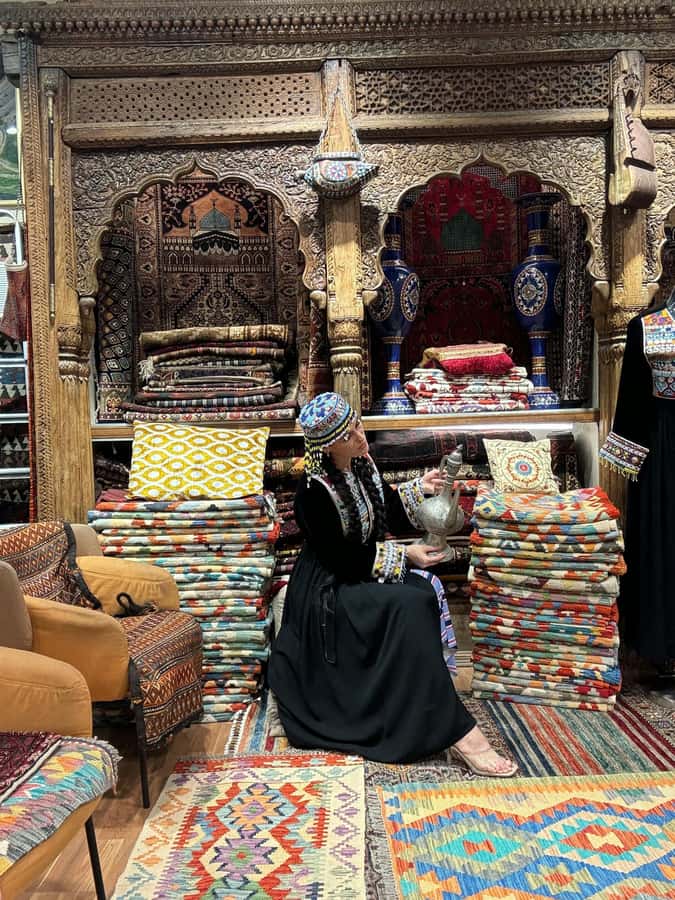
Madinat Jumeirah provides a more relaxed break. Designed as a modern recreation of an Arab marketplace, it has lanes, shops, and spaces where you can wander during free time. This is not the same as visiting the older Deira souks. It is polished and purpose-built, but it gives you a comfortable place to pause after the faster sightseeing sections.
I like the contrast. The old souks feel tied to everyday commerce, while Madinat Jumeirah presents an attractive modern interpretation of an Arab market. Your guide can help you decide how long to spend walking, shopping, or taking photographs, but the six-hour clock remains important.
Palm Jumeirah and Atlantis
The tour drives across Palm Jumeirah, Dubai’s crescent-shaped man-made island, for sightseeing and views of Atlantis. This is a drive-through experience rather than a full resort visit.
Palm Jumeirah is best understood from the vehicle because its scale is difficult to grasp at street level. You see the planned shape, waterfront development, and resort architecture as the route moves toward Atlantis. The stop is useful for orientation, but do not book this tour expecting time on the beach or admission to attractions at the resort.
This section also illustrates the value of private transport. Palm Jumeirah, the Burj Al Arab, Madinat Jumeirah, and the older creek districts are not clustered together. Having a vehicle and driver allows you to connect them without arranging several separate taxis.
Burj Khalifa levels 124 and 125
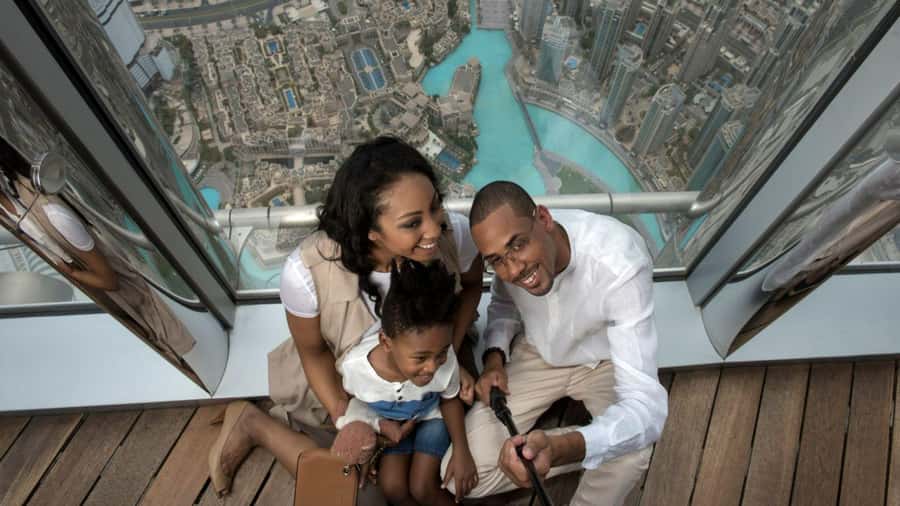
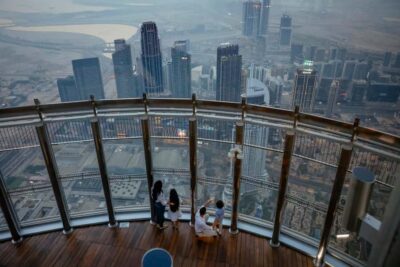
The headline attraction is At The Top at Burj Khalifa. Admission to levels 124 and 125 is included, along with skip-the-line access. The observation decks provide the tour’s major high-rise view and bring the day to a strong finish.
At 124, you can look out across Dubai from high above the city. Level 125 adds another viewing area and gives you more space to take in the scale of the towers, roads, desert, and coast. The view makes more sense after the day’s drive because you have already seen the creek, old neighborhoods, royal district, coast, and Palm Jumeirah from ground level.
The ticket is a meaningful part of the $179 price. Burj Khalifa admission alone can make a private city tour more appealing, especially if you value skip-the-line access and do not want to arrange transport between distant districts.
The exact amount of time at Burj Khalifa may depend on traffic and the timing of earlier stops. If the tower is your priority, tell the guide at the start. You may need to keep the photo stops brief so the final visit does not feel rushed.
What $179 per person actually buys
At $179 per person, this is not the cheapest way to see Dubai. A shared sightseeing bus or self-guided taxi day will usually cost less. The comparison changes if you are traveling as a family or small private group and value door-to-door service.
The price includes:
- Private air-conditioned transportation
- Pickup and drop-off in Dubai, including hotels, Dubai International Airport, Dubai Cruise Port, or another agreed location
- An English-speaking private guide
- The Old Dubai walking tour
- Abra transport across Dubai Creek
- Tea or coffee, dates, and local tastings
- Time at the Gold, Spice, and Textile Souks
- The Blue Mosque visit with traditional attire available
- Photo stops at major sights
- Palm Jumeirah sightseeing
- Burj Khalifa levels 124 and 125
The Museum of the Future admission is not included. Lunch is also extra, and other attraction entries may cost more. This matters because the day has many famous landmarks, but only Burj Khalifa access is clearly built into the package.
For a first day in Dubai, I think the value is strongest when you have limited time, want a private vehicle, or are traveling with children or older relatives. If you prefer to spend half a day inside one museum or negotiate slowly in the souks, the route may feel too hurried.
Timing, comfort, and who should book
Pickup and drop-off make this suitable for a hotel stay, airport stopover, or cruise visit. The vehicle has room for luggage or larger bags, which is useful if you are arriving or leaving Dubai on the same day.
The tour is wheelchair accessible, and the private format avoids the stairs and crowd management that come with a large group. Still, tell the provider about mobility needs in advance so the route can be handled comfortably.
The tour is offered in English. Guides have been praised for warmth, patience, and flexibility, with Abid described as giving especially thorough cultural explanations and Ahmed, Ashraf, Subhan, Farhan, and others noted for answering questions and adjusting the day. You cannot select a particular guide from the information provided, but you can make your interests clear at pickup.
The cancellation policy allows a full refund when you cancel at least 24 hours ahead, and you can reserve without paying immediately. Those terms are useful if your Dubai plans depend on a flight or cruise schedule.
My call: book it for orientation, not slow sightseeing
I would book this tour if I had six hours, wanted both Old and New Dubai, and considered Burj Khalifa essential. The abra crossing, Al Fahidi walk, tastings, souks, Blue Mosque, private car, and high-rise view give you a solid first picture of the city.
I would skip it if my main goal was a long Museum of the Future visit, serious gold shopping, or a relaxed day at one beach or palace. Too many stops are viewed from outside, and the schedule moves quickly.
For most first-time visitors, the best strategy is to tell your guide your top two priorities. Keep Al Fahidi and Burj Khalifa protected, then use the private format to adjust the shopping and photo stops. At $179, you are paying for time saved, transport, a personal guide, and the Burj Khalifa ticket. For a short Dubai stay, that can be a sensible trade.
FAQ
How long does the Dubai tour last?
The tour lasts six hours. Starting times depend on availability.
What is the price per person?
The price is $179 per person.
Is this a private tour?
Yes. It is a private group experience with private transportation and a private English-speaking guide.
Where can pickup and drop-off take place?
Pickup and drop-off are available in Dubai, including Dubai International Airport, hotels, Dubai Cruise Port, or another location in Dubai.
Is Burj Khalifa admission included?
Yes. The tour includes At The Top access to levels 124 and 125, with skip-the-line access.
Is admission to the Museum of the Future included?
No. The tour includes an outside and ground-floor view, but full admission costs extra. Tickets may be arranged separately depending on availability.
Does the tour include the abra ride?
Yes. You cross Dubai Creek by traditional abra from Bur Dubai to Deira.
Are food and drinks included?
Local tea or coffee, dates, and tastings are included. Lunch is not included, but it can be arranged at an extra cost.
Is the tour wheelchair accessible?
Yes. The activity is listed as wheelchair accessible.
Just added in Dubai
- From Dubai: Zerzura Dune Buggy Experience & Fossil Discovery★ 4.9 · 48 reviews
- From Dubai/Sharjah/RAK: Dibba Musandam Trip & Dhow Cruise★ 4.4 · 232 reviews
- From Dubai: Hatta Sightseeing Tour with kayaking★ 4.9 · 53 reviews
- From Dubai: Try Scuba Diving, Snorkeling with BBQ & Transfer★ 4.9 · 22 reviews
- From Dubai to Norway of Arabia|Telegraph Island| Dhow Cruise★ 4.9 · 91 reviews
- From Dubai: Fujairah Half-Day Scuba Dive and Snorkeling★ 4.7 · 186 reviews
- Dubai: Desert Safari, Camel Ride, and BBQ Dinner★ 4.0 · 192 reviews
- From Dubai: Discovery Scuba Diving & Snorkeling In Fujairah★ 4.9 · 93 reviews
Burj Khalifa & Dubai Landmarks, compared.
Burj Khalifa Levels 124 & 125 Entry Ticket + Options
Read our review →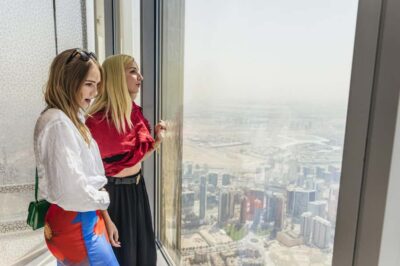
Burj Khalifa Sky Level 148, 124, & 125 Entry Ticket
Read our review →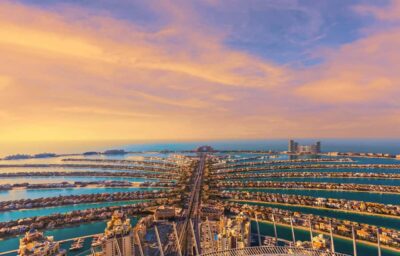
The View At The Palm Observatory Entry Ticket
Read our review →

Aquaventure World Waterpark Ticket at Atlantis Dubai
Read our review →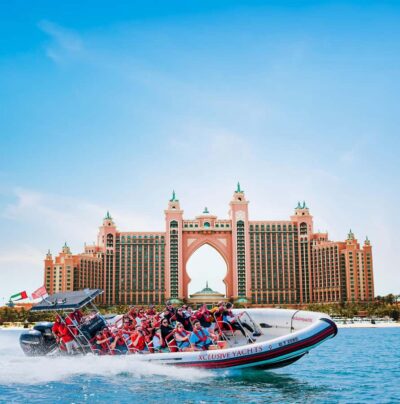
Marina, Atlantis, Palm & Burj Al Arab Speedboat Tour
Read our review →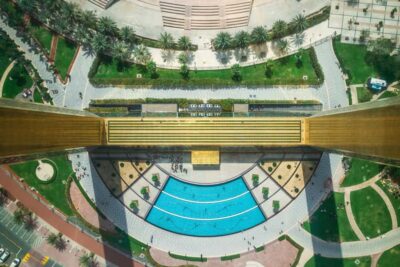
Entry Ticket to the Dubai Frame with Deck Access
Read our review →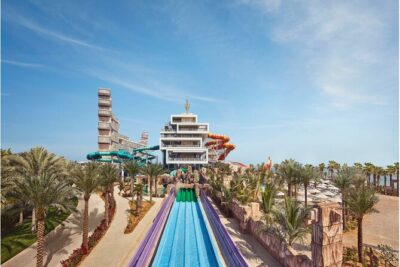
Atlantis Aquaventure Ticket (with options for Aquarium), Dubai
Read our review →Browse the lists this tour appears in