
Reviewed · TOURS IN DUBAI
Dubai: Al Shindagha Museum Entry Ticket
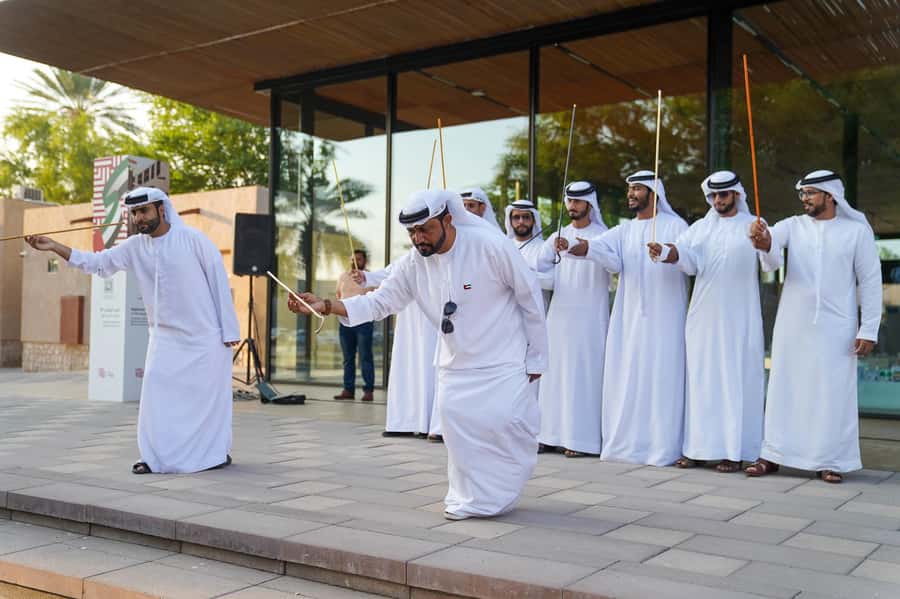
Al Shindagha Museum gives you a clear way to understand how Dubai grew from a creekside settlement into a modern global city. Instead of one building packed with cases, you move through more than 20 heritage houses, each focused on a part of Emirati life.
I like the mix of old buildings and modern technology, especially the interactive displays and virtual reality features. I also like the chance to enter Sheikh Saeed Al Maktoum Residence, the former home of Dubai’s ruling family. The main drawback is simple: there is a lot to see, so a quick visit may feel rushed.
Key points to know before you go
- A museum spread across a historic neighborhood: Al Shindagha is made up of a large group of connected heritage houses beside Dubai Creek.
- The Al Maktoum family residence: Visit the former home of Sheikh Saeed Al Maktoum, who lived there until 1958.
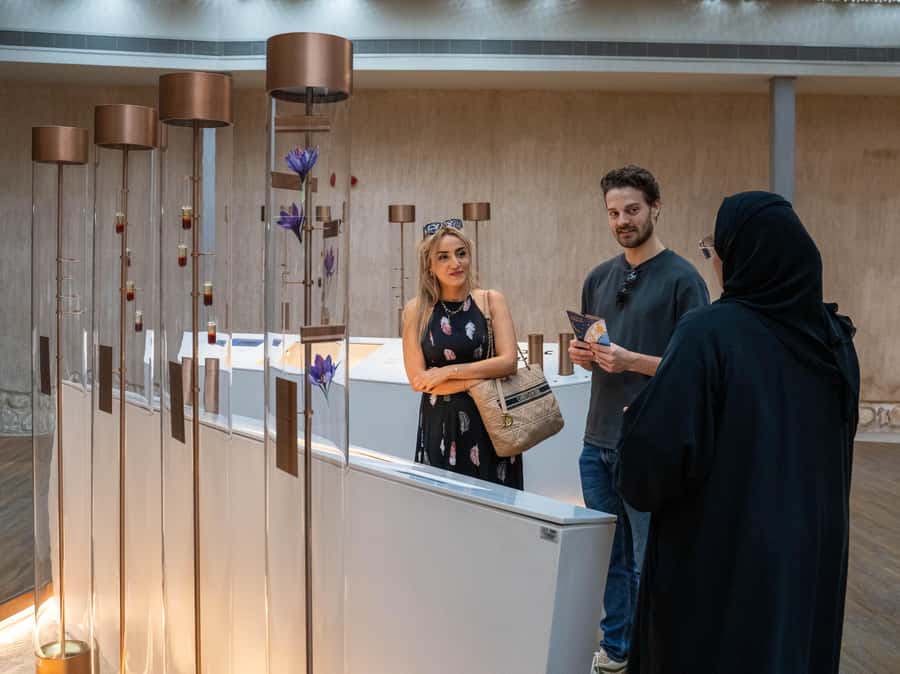
- Exhibits cover daily life, not just rulers: Expect displays on food, perfume, crafts, jewelry, navigation, faith, healthcare, poetry, and trade.
- Modern presentation: Interactive installations and virtual reality help explain subjects that could otherwise feel distant.
- Several guide languages: Tours and guidance are available in English, Arabic, Chinese, Russian, and French.
- Good value at $13: The ticket is useful for anyone who wants more than a quick photo stop in Dubai’s older quarter.
Why Al Shindagha matters beside Dubai Creek
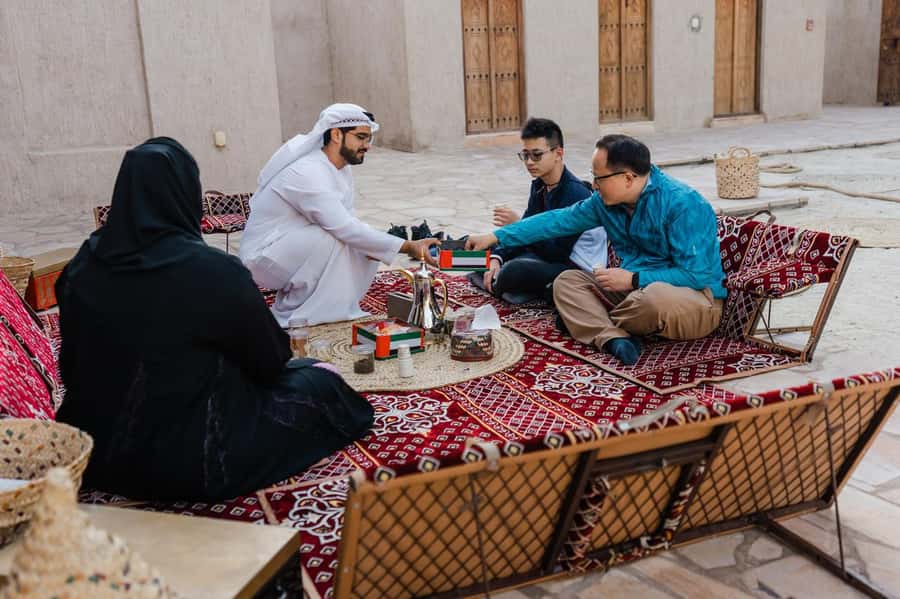
Dubai is often presented through towers, shopping centers, and grand engineering projects. Al Shindagha gives you another starting point: the creek, the families who lived beside it, and the work that made the city grow.
The museum sits in Al Shindagha, one of Dubai’s most important historic neighborhoods. Its location matters because the creek is not just a scenic backdrop. It helps explain trade, travel, fishing, navigation, and the movement of people and goods that shaped Dubai.
The museum’s main idea is easy to grasp. Modern Dubai did not appear from nowhere. It grew through ingenuity, resilience, trade, family life, faith, craftsmanship, and a steady desire to improve daily life. The exhibits connect those older foundations to the identity of the United Arab Emirates today.
You begin at the Visitor Center, then move through a group of restored or recreated heritage spaces. This format feels less like walking through a single formal gallery and more like exploring a small cultural district. It also means you should allow enough time to change from one house to another and give each subject a fair look.
A few more things to do in Dubai worth a look
- Dubai: Museum of the Future Admission Ticket
★ 4.3 · 21,464 reviews - Dubai: Old Town, Creek, Museums, Souks, & Street Food Tour
★ 4.8 · 10,816 reviews - From Dubai: Abu Dhabi Grand Mosque & Louvre Museum Full-Day
★ 4.8 · 6,227 reviews
Start at the Visitor Center
The Visitor Center is the practical first stop. It introduces the museum and helps you understand how the houses fit together. Since the site includes a wide range of subjects, this orientation is useful before you begin.
I suggest paying attention to the overall layout rather than rushing toward the first exhibit that catches your eye. The museum is designed as a broad journey through Dubai and Emirati life, not a single straight story with one main room.
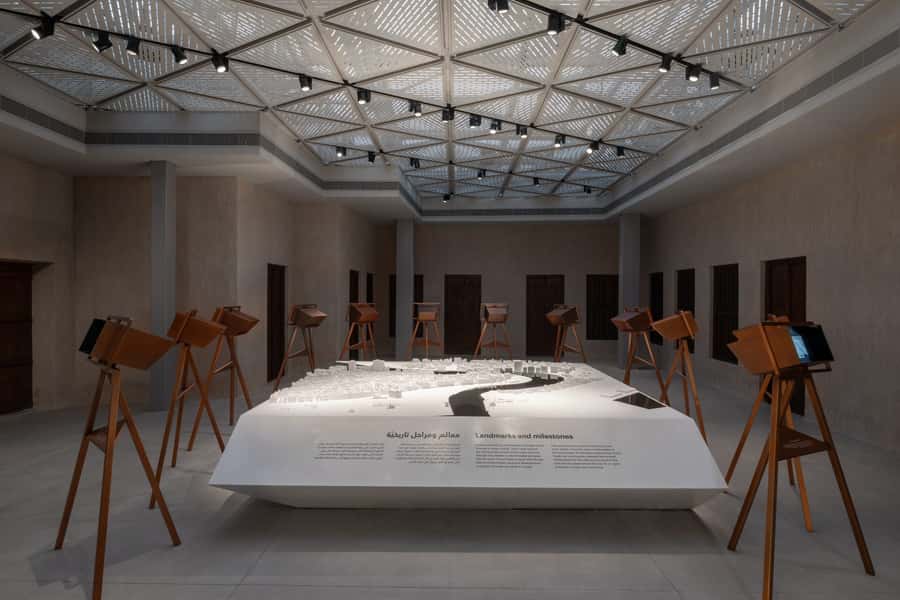
The presentation uses multi-sensory installations, interactive elements, and digital technology. That is helpful if you are visiting with children or if you prefer displays that explain ideas through images and activity rather than long written panels.
The modern approach also gives the museum a different feel from a simple historic residence. You get architecture and older spaces, but you also get technology that links them to present-day Dubai. The combination is one of the site’s strongest features.
Sheikh Saeed Al Maktoum Residence
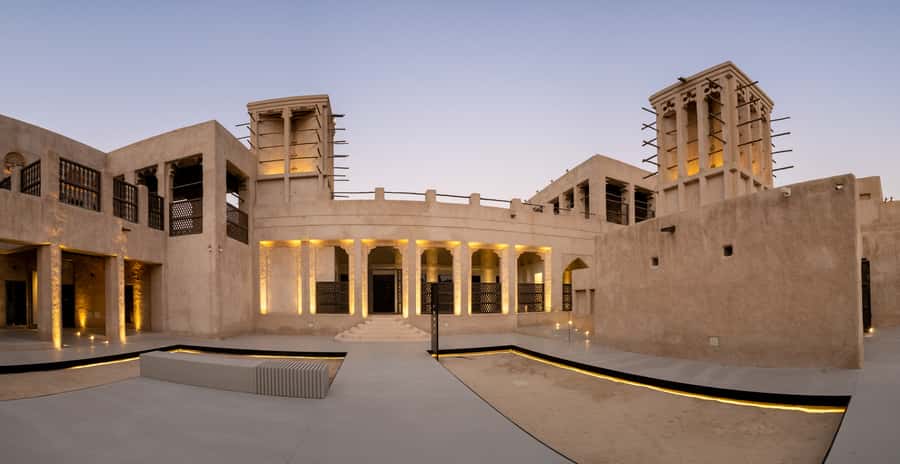
The Al Maktoum Residence is the museum’s most important individual building. It was originally the home of the Al Maktoum family and of Sheikh Saeed Al Maktoum, Dubai’s ruler at the time, until 1958. He was the grandfather of Sheikh Mohammed bin Rashid.
This stop gives the museum a personal and political center. Rather than learning about the ruling family only through dates and official displays, you enter the place associated with their household and public role.
The residence also helps put Dubai’s growth into perspective. The city’s modern scale can make its earlier years seem remote, but a former family home makes that transition easier to understand. You can connect the story of leadership with the story of a community developing around the creek.
Do not treat this building as the entire museum, though. It is an important anchor, but the wider experience depends on visiting the other houses. If you only have time for a fast visit, the residence should be near the top of your list. If you have the full day, give equal attention to the everyday subjects elsewhere.
Dubai Creek: Birth of a City
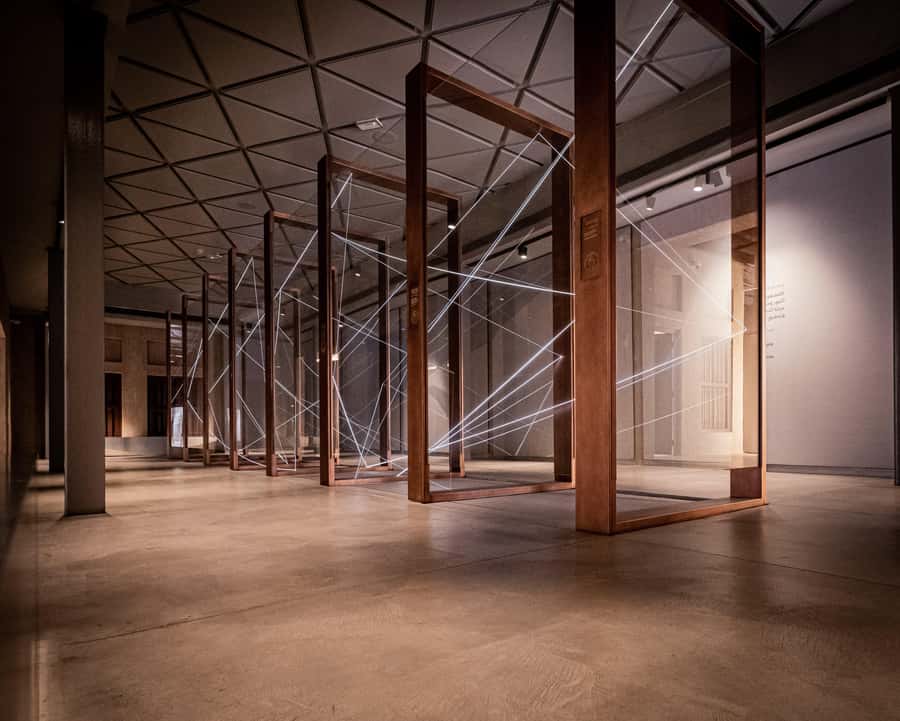
The Dubai Creek house explains why this waterway became so important. The title itself points to the main theme: Dubai’s early growth was closely tied to its position on the creek.
This is a useful place to begin connecting the different exhibits. Trade, navigation, sea life, journeys, and the movement of people are not separate stories. They are different parts of the same creek-based economy and society.
The museum does not present Dubai only as a place shaped by rulers or major construction. It also shows how work, movement, and practical skills created the conditions for later growth. That wider view gives you a better sense of how a city develops over time.
Same base, a different sort of day:
- Dubai: Burj Khalifa Levels 124 & 125 Entry Ticket + Options
★ 4.3 · 90,891 reviews - Dubai: Desert Safari, Quad Bike, Camel Ride & Al Khayma Camp
★ 4.9 · 68,962 reviews - Dubai: Desert Safari, Quad Bike, Camel Ride and Sandboarding
★ 4.9 · 43,505 reviews - Dubai: Safari, Quad Bike, Camel Ride, and Buffet Dinner
★ 4.9 · 33,424 reviews
Trade, journeys, and navigation
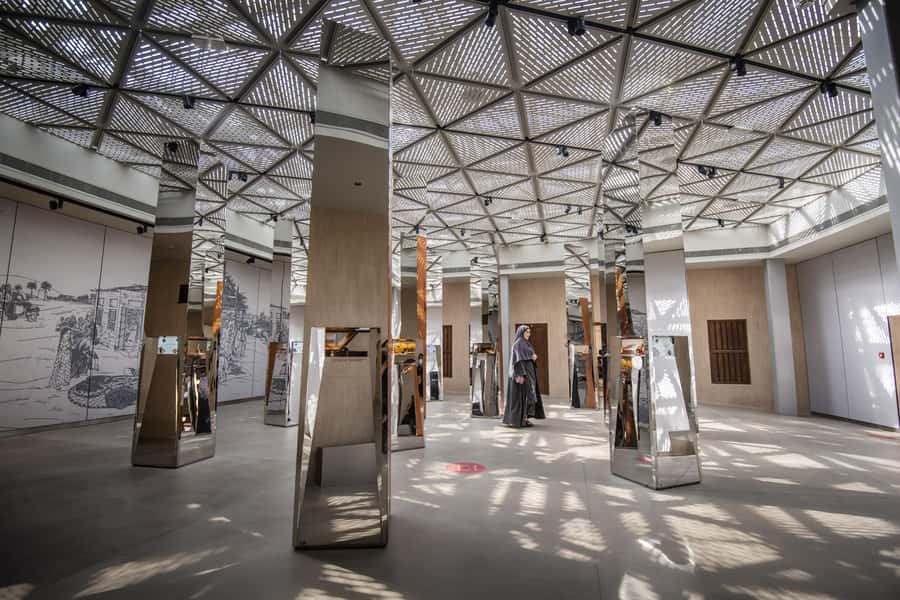
The Trade and Journeys house looks at movement beyond the immediate neighborhood. The Navigation house adds another layer, showing how people found their way across water and along travel routes.
These subjects are valuable because they explain the practical side of Dubai’s past. Trade depends on knowing routes, reading conditions, handling goods, and maintaining links with other places. Navigation is not an abstract topic here. It connects directly to travel, commerce, and survival.
The exhibits on trade and navigation are also useful for families. Younger visitors may respond more quickly to the idea of journeys and wayfinding than to a long chronological account of political history. The museum’s interactive approach should make these topics easier to follow, although the exact activity available can vary by exhibit.
The main consideration is time. If you read every display and try each interactive feature, these houses can take longer than expected. That is a good reason to avoid planning another tightly timed attraction immediately afterward.
Culture of the Sea, water, plants, and animals
The Culture of the Sea house explores Dubai’s relationship with the water. The Water, Fauna and Flora house widens the focus to the natural setting and the living world around it.
Together, these exhibits remind you that older Emirati life depended on close attention to the environment. The sea supported work and travel, while local plants, animals, and water sources shaped daily routines.
These houses balance the more familiar stories of trade and leadership. You see that heritage includes knowledge of the natural world and not only buildings, family names, or commercial success.
If you are interested in how people adapt to their surroundings, spend time here rather than treating these displays as a quick walk between larger exhibits. They help make the museum’s central message more complete.
Perfume, jewelry, crafts, and adornment
The Perfume House offers a look at scent as part of Emirati culture. The Traditional Jewelry and Beauty and Adornment houses add detail about presentation, identity, and personal decoration.
These exhibits are among the more approachable parts of the museum because they focus on objects and practices with an immediate sensory or visual appeal. Perfume and jewelry can also show how cultural traditions are carried through ordinary life, family customs, and personal style.
The Traditional Crafts house shifts attention from finished objects to the skills behind them. That matters because a craft is not only a product on display. It represents materials, technique, patience, and knowledge passed between generations.
You might find these houses especially rewarding if you enjoy design, fashion, or hands-on cultural subjects. They also provide a welcome change of pace after exhibits centered on trade, politics, or urban growth.
Traditional food and healthcare
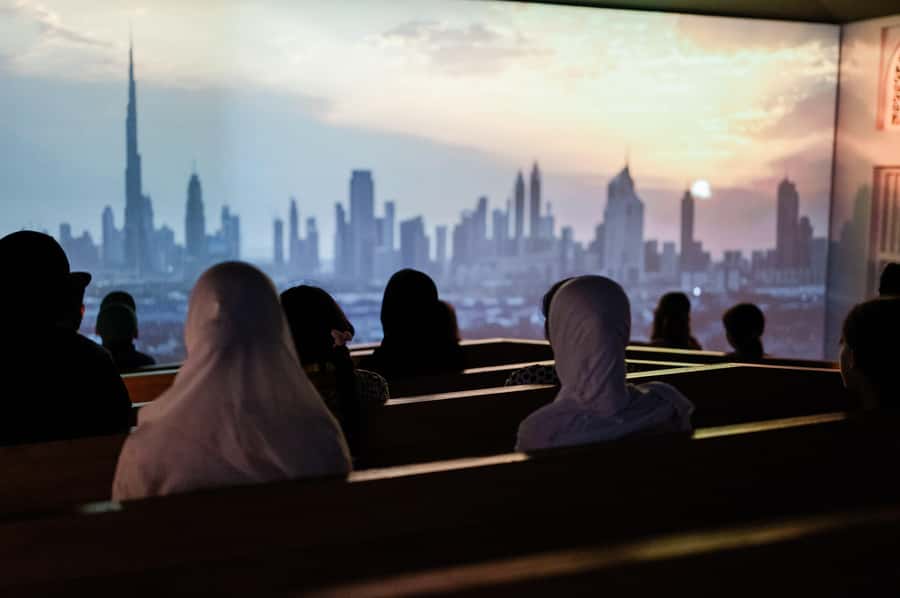
The Traditional Food and Traditional Healthcare houses focus on two basic parts of daily life: what people ate and how they cared for themselves.
Food displays can make a historical period easier to picture. Meals, ingredients, and preparation methods reveal practical choices shaped by available resources and local conditions. Healthcare adds another personal layer, showing how people addressed illness and wellbeing before modern systems changed everyday treatment.
The supplied information lists Traditional Food twice among the house titles. The safest way to think about the program is that food receives a clear place in the museum’s coverage, alongside healthcare and other domestic subjects.
These exhibits may be particularly helpful if you want a picture of life beyond grand public events. They bring the museum back to the household and to the routines that continued while Dubai was changing around them.
Faith, community, and personal expression
The People and Faith house considers the beliefs and social ties that helped shape Emirati identity. The Community Hall provides a related focus on shared life and social connection.
The Expressions house broadens the subject to ways people communicate ideas and identity. These spaces help prevent the museum from becoming only a story of economic growth. A city is also formed by its values, relationships, celebrations, and creative traditions.
The Community Hall should be useful for understanding how individual homes fit into a wider society. It provides a contrast with the Al Maktoum Residence, which focuses on a prominent family. Here, the emphasis shifts toward community life.
Because these exhibits cover ideas rather than only objects, you may want to move at a slower pace. The interactive technology can help, but the value comes from considering how the displays connect to the other houses.
Poetry and the Children’s Pavilion
The Poetry house gives written and spoken expression a place within the museum. It shows that cultural identity is carried through language and creative work, not only through architecture or material objects.
The Children’s Pavilion offers a more accessible setting for younger visitors. If you are visiting as a family, this is one of the places to look for a change in pace after more information-heavy exhibits.
The museum’s use of interactive installations is especially important here. Children often engage more readily with something they can see, hear, or operate than with a long explanation. Still, the ticket is not only for families. Adults interested in literature and cultural expression should not skip the Poetry house.
Emerging City and Dubai’s changing identity
The Emerging City house brings the story toward modern Dubai. It helps link the older creekside community with the city that visitors see today.
This is where the museum’s larger purpose becomes clearest. You are not simply looking backward. You are considering how older values, skills, and institutions helped form a contemporary identity.
The museum frames Dubai’s development through human innovation, resilience, and the desire for progress. That can feel broad, but the many houses give those ideas practical examples. Trade shows innovation in commerce. Navigation shows applied knowledge. Crafts show skill. Community and faith show the social foundation behind change.
The experience is most useful when you keep these connections in mind. Instead of seeing 20-plus small attractions as unrelated stops, read them as pieces of one story.
How much time should you allow?
The ticket is valid for one day, and that matters. The museum includes a Visitor Center, the Al Maktoum Residence, and more than 20 themed houses. You can make a short visit, but the format rewards a slower schedule.
There is no single required tour length listed for the visit. I would avoid planning it as a quick half-hour stop. The exact time depends on how many exhibits you read, how long you spend with interactive displays, and whether you join guidance in one of the available languages.
English, Arabic, Chinese, Russian, and French are listed as guide languages. If language support is important to you, check the available starting time when you book. The experience includes entry, not a separate transport service or meal.
The site is wheelchair accessible, which makes the spread-out museum easier to consider for visitors with mobility needs. Since the experience covers multiple houses, you may still want to plan a comfortable pace and avoid squeezing it between fixed appointments.
Is the $13 ticket good value?
At $13 per person, the ticket is fairly priced for the amount of material on offer. You are not paying to see one room or one restored home. You are paying for access to a large heritage museum with the former Al Maktoum Residence, multiple themed houses, interactive installations, and digital features.
The value is strongest if you care about context. A visitor looking only for a quick photograph of an old building may find the ticket less useful. Someone who wants to understand how Dubai was shaped will get much more from the range of subjects.
The modern technology also improves the value for mixed-age groups. Children may prefer the interactive and virtual reality elements, while adults can spend more time with architecture, family history, trade, faith, and social customs.
Free cancellation up to 24 hours before the visit and the reserve-now, pay-later option make the booking less rigid. Those terms are useful if your Dubai schedule is still changing, but the main reason to book is the breadth of the museum itself.
Who should visit Al Shindagha Museum?
I would recommend this experience to first-time visitors who want a stronger sense of Dubai before focusing entirely on its modern attractions. It also suits anyone interested in Emirati culture, architecture, family history, trade, crafts, food, or the sea.
Families should find enough variety to keep different ages interested. The Children’s Pavilion and interactive displays help, while the many subject areas mean adults are not limited to child-focused material.
It is also a good choice for visitors who prefer self-paced cultural sites. You can give more time to perfume, jewelry, poetry, navigation, or food, depending on your interests. The one-day validity gives you room to avoid rushing.
I would be more cautious if your schedule allows only a brief stop or if you want a single, tightly structured guided tour. The museum covers a lot of ground, and its value comes from making connections across many houses.
Should you book it?
Book Al Shindagha Museum if you want to see the human story behind Dubai’s modern image. The Al Maktoum Residence gives you an important historic anchor, but the museum’s real strength is the wider collection of houses covering work, belief, family life, nature, trade, creativity, and change.
At $13, it offers good value for a full cultural visit, especially with interactive displays and guidance in five languages. Allow enough time, begin at the Visitor Center, and do not rush past the smaller houses. If you want a quick landmark visit, choose something else. If you want to understand how Dubai grew, this is a smart ticket.
FAQ
Where is Al Shindagha Museum located?
Al Shindagha Museum is located beside Dubai Creek in the historic Al Shindagha neighborhood of Dubai, United Arab Emirates.
How much does admission cost?
The listed price is $13 per person.
How long is the ticket valid?
The entry ticket is valid for one day.
What does the ticket include?
The ticket includes entry to Al Shindagha Museum.
What can I see inside the museum?
You can visit Sheikh Saeed Al Maktoum Residence and more than 20 themed heritage houses covering subjects such as Dubai Creek, perfume, jewelry, crafts, trade, journeys, sea culture, food, faith, healthcare, poetry, navigation, and the emerging city.
Is Sheikh Saeed Al Maktoum Residence part of the museum?
Yes. The residence is included among the museum’s heritage houses and was originally home to the Al Maktoum family and Sheikh Saeed Al Maktoum until 1958.
What languages are available?
Guidance is available in English, Arabic, Chinese, Russian, and French.
Is the museum wheelchair accessible?
Yes, the activity is listed as wheelchair accessible.
Can I cancel the booking?
Yes. You can cancel up to 24 hours in advance for a full refund. A reserve-now, pay-later option is also available.
Just added in Dubai
- From Dubai: Zerzura Dune Buggy Experience & Fossil Discovery★ 4.9 · 48 reviews
- From Dubai/Sharjah/RAK: Dibba Musandam Trip & Dhow Cruise★ 4.4 · 232 reviews
- From Dubai to Norway of Arabia|Telegraph Island| Dhow Cruise★ 4.9 · 91 reviews
- From Dubai: Hatta Sightseeing Tour with kayaking★ 4.9 · 53 reviews
- From Dubai: Try Scuba Diving, Snorkeling with BBQ & Transfer★ 4.9 · 22 reviews
- Dubai: Desert Safari, Camel Ride, and BBQ Dinner★ 4.0 · 192 reviews
- From Dubai: Discovery Scuba Diving & Snorkeling In Fujairah★ 4.9 · 93 reviews
- From Dubai: Fujairah Half-Day Scuba Dive and Snorkeling★ 4.7 · 186 reviews
Tours in Dubai, compared.
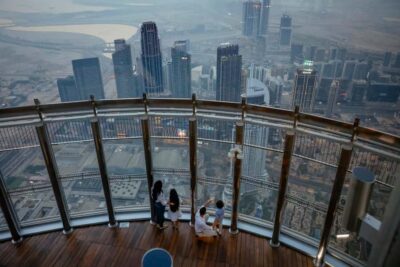
Burj Khalifa Levels 124 & 125 Entry Ticket + Options
Read our review →
Desert Safari, Quad Bike, Camel Ride & Al Khayma Camp
Read our review →
Desert Safari, Quad Bike, Camel Ride and Sandboarding
Read our review →
Safari, Quad Bike, Camel Ride, and Buffet Dinner
Read our review →
Red Dune Safari, Quad Bike, Camel Ride, BBQ Dinner
Read our review →
Premium Safari, Camel Ride & Al Khayma Camp 3-Buffets
Read our review →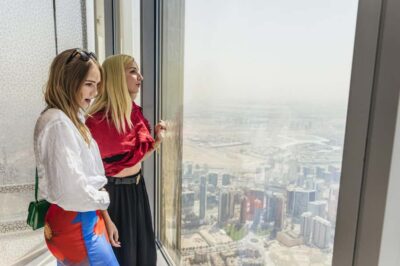
Burj Khalifa Sky Level 148, 124, & 125 Entry Ticket
Read our review →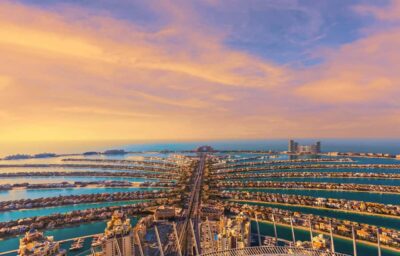
The View At The Palm Observatory Entry Ticket
Read our review →Browse the lists this tour appears in