

Reviewed · TOURS IN RAS AL KHAIMAH
Ras al-Khaimah: House Of Pearls Tour
The most unusual part of this Ras Al Khaimah outing is that you reach a working pearl farm by traditional boat, then watch an oyster opened in front of you. The surprise is built in: there is only a 60 percent chance of finding a pearl inside. It turns a short cultural tour into a small piece of real suspense.
I like the gentle boat ride through the mangroves and the way the guides bring old pearl-trading customs to life with tools, stories, and demonstrations. I also like the relaxed refreshments, including dates, Arabic coffee, tea, water, soft drinks, and light snacks. The main drawback is practical: transport to Al Rams Marina is not included, and first-time visitors can have trouble finding the meeting point.
Key points to know before booking
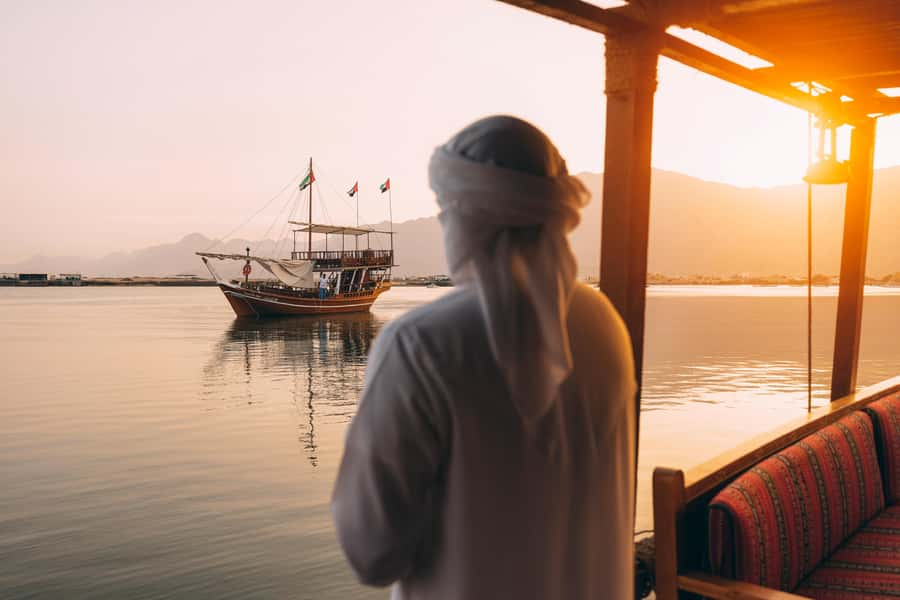
- Traditional boat from Al Rams Marina: The tour begins in an old fishermen’s village and reaches the farm by water.
- Live oyster opening: You watch an oyster opened during the visit, with a 60 percent chance of finding a pearl.
- Pearl history in a real setting: Displays cover old tools, trading equipment, collections, and the customs of Arabian pearl workers.
- Mangrove scenery: The ride passes natural mangroves, with mountains visible in the distance.
- Simple solar-powered farm: Suwaidi Pearls keeps the setting basic, local, and focused on marine protection.
- A possible 3 p.m. sunset ride: The later departure can give you sunset views on the return boat, weather permitting.
Why this pearl farm is worth your time
Ras Al Khaimah is often treated as a base for beaches, desert outings, and mountain trips. This tour gives you a different way to understand the emirate. Pearls were not a decorative side business here. They supported coastal communities, shaped trade, and passed skills from one generation to the next.
The visit lasts about two and a half hours, which is long enough to cover the subject properly without taking over your day. You are not just shown a display case and sent on your way. The outing links the coast, the boat journey, the working farm, the oyster, and the finished pearl.
I would choose this for a first visit to Ras Al Khaimah if you want local culture rather than a large modern attraction. It also works well for families. Children have something tangible to watch, especially the oyster opening, while adults can follow the history, trade, and farming methods.
The setting is intentionally modest. This is a solar-powered farmhouse and farm facility, not a polished museum with elaborate interiors. That simplicity is part of the appeal, but you should know what you are booking. The value comes from the guide, the setting, and the demonstrations, not from luxury facilities.
Other trips people book in the Middle East:
- Dubai: Burj Khalifa Levels 124 & 125 Entry Ticket + Options
★ 4.3 · 90,891 reviews - Dubai: Desert Safari, Quad Bike, Camel Ride & Al Khayma Camp
★ 4.9 · 68,962 reviews - Dubai: Desert Safari, Quad Bike, Camel Ride and Sandboarding
★ 4.9 · 43,505 reviews
From Al Rams Marina to the mangroves
You meet at Suwaidi Pearls and should arrive 15 minutes before the scheduled start. The boat leaves from Al Rams Marina, described as an old fishermen’s village, and the ride provides the first sense of place before the formal talk begins.
The trip takes you around the nearby mangroves and coastal surroundings. The water is generally calm according to the available tour information, making the ride comfortable for people who worry about seasickness. One useful detail from the experience is that the route can include views of camels in the sea, mangroves, and mountains in the background.
That boat ride matters because it shows the coastal setting that made pearl work possible. You are not learning about an abstract industry in a city building. You are moving through the kind of environment tied to the old trade.
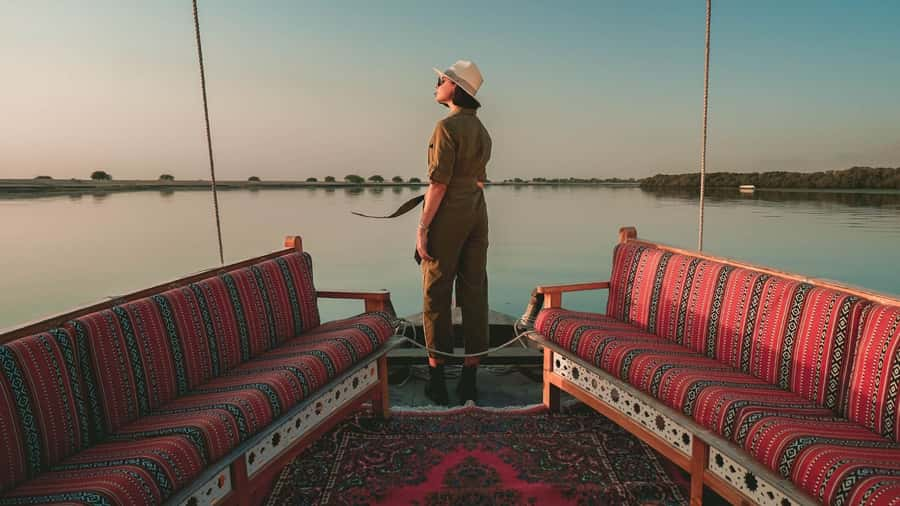
You may be asked to remove your shoes when sitting on the carpet, as is customary at the farm. Wear comfortable clothing and apply sunscreen before departure. Insect repellent is also sensible because mangrove areas can attract insects.
If you choose the 3 p.m. departure, the return ride may coincide with sunset. This timing is especially appealing if you want the outing to end with softer light on the water. Sunset depends on weather and the season, so treat it as a bonus rather than the main reason to book.
Stories of Arabian pearl workers
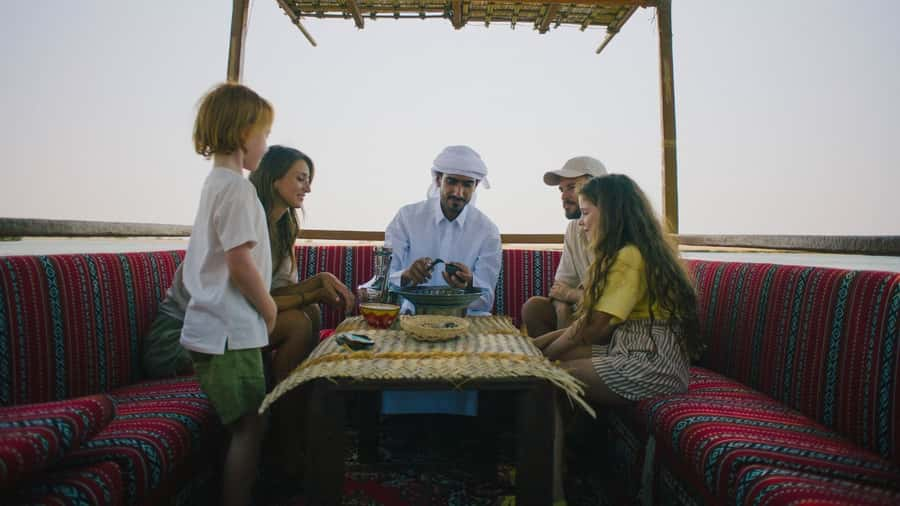
At the House of Pearls, the guide explains the history of Arabian pearls and the demanding lifestyle connected with the trade. The talk includes old tools, working methods, and traditional equipment used by pearl workers and traders.
The quality of this section depends heavily on the guide, and that is worth keeping in mind when comparing cultural tours. Taqi has been praised for adjusting his explanations to different ages and interests. Obaid is known for keeping both adults and children involved, while Bilal has led a welcoming and well-prepared presentation. Othman Alblooshi has also been singled out for bringing the subject to life through stories and interactive explanations.
Guide names can change, so you may not meet one of these individuals on your date. Still, the repeated strength of the guiding is important. The tour is not simply a walk around objects. You receive explanations in English or Arabic, with questions welcomed along the way.
The history section is especially useful if you know little about pearls before arriving. You learn how pearls were collected, traded, handled, and valued. The traditional trader’s box, called a Bish-Takh-Tah, adds a specific local detail that helps the subject feel connected to place rather than presented as a generic story about jewelry.
The displays include lustrous Arabian pearl collections, trader tools, and other objects tied to the trade. You will not need specialist knowledge to follow the presentation. The guide’s job is to explain why these small objects mattered and how they fit into coastal life.
How an oyster becomes a pearl
The next part moves from cultural history to natural science. You learn how oysters and pearls form, then hear about cultured pearls and the methods used to produce them.
This is one of the best parts for anyone who likes to understand how things work. The presentation connects traditional knowledge with newer farming techniques and explains the science behind pearl formation. The subject is more interesting when you see that pearl farming is not merely a matter of placing oysters in water and waiting.
The live oyster opening gives the lesson a clear finish. An oyster is opened in front of the group, and the guide explains that the chance of finding the sought-after Arabian pearl is only 60 percent. That uncertainty is genuine and keeps the demonstration from feeling staged.
You can choose to buy the oyster and pearl if one is found for AED 450 plus 5 percent. This cost is not included in the tour price. You do not need to purchase an oyster or pearl to take part, and the available information indicates that the presentation is not built around a forceful sales pitch.
That last point matters. You can enjoy the demonstration, look at the collections, and leave without buying jewelry. If you do want a pearl, bring the extra cost into your planning and ask the guide about the exact purchase terms before committing.
Same base, a different sort of day:
- Dubai: Safari, Quad Bike, Camel Ride, and Buffet Dinner
★ 4.9 · 33,424 reviews - Dubai: Red Dune Safari, Quad Bike, Camel Ride, BBQ Dinner
★ 4.9 · 32,185 reviews - Dubai: Premium Safari, Camel Ride & Al Khayma Camp 3-Buffets
★ 4.9 · 30,335 reviews - Dubai: Burj Khalifa Sky Level 148, 124, & 125 Entry Ticket
★ 4.6 · 23,827 reviews
The farmhouse, refreshments, and pearl displays
The farm’s setting is basic, authentic, and powered by solar panels. It is designed around the marine environment rather than comfort in the resort sense. Suwaidi Pearls uses environmentally friendly systems intended to protect the surrounding water and coastal area.
You receive light snacks with water, soft drinks, dates, Arabic tea, and coffee. Some outings also include small treats such as chocolate or fruit. These refreshments are enough to make the morning or afternoon comfortable, but they do not replace a meal.
Lunch is not included. If you need more than snacks, plan to eat separately before or after the tour. Optional snacks or lunch may be available, but the supplied details do not promise a full meal as part of the $57 price.
Take time to walk around the farmhouse after the main talk. You can look at pearl accessories and collections, enjoy the quiet setting, and return to questions you may have missed earlier. The slower pace is welcome after the boat ride and presentation.
The site may appeal to you precisely because it is not overproduced. There is no suggestion that the farm tries to imitate a grand museum. Instead, you get a small working setting with a direct connection to the subject.
Is $57 a fair price?
At $57 per person, the price is reasonable if you value the full combination of boat ride, guide, refreshments, demonstrations, and cultural context. You are paying for more than entry to a building. The boat trip gives the outing a sense of place, while the live oyster opening adds something you cannot get from a display alone.
The value is strongest for people who would otherwise spend their Ras Al Khaimah visit seeing only beaches, malls, or hotel facilities. This tour gives you a direct introduction to a local coastal tradition in a relatively short time.
It is less suitable if you want a luxury boat cruise, a large pearl museum, or a full meal. The facility is simple, and the tour is educational rather than lavish. You also need to cover your own transport to the marina and pay separately if you decide to buy an oyster or pearl.
The price also works well for families because the two-and-a-half-hour format is manageable. Young children may not follow every historical detail, but the boat, mangroves, tools, and oyster opening give them several concrete points of interest. One family reported that children aged five, seven, and nine enjoyed the outing, which fits the tour’s practical appeal for mixed-age groups.
Getting there, clothing, and comfort
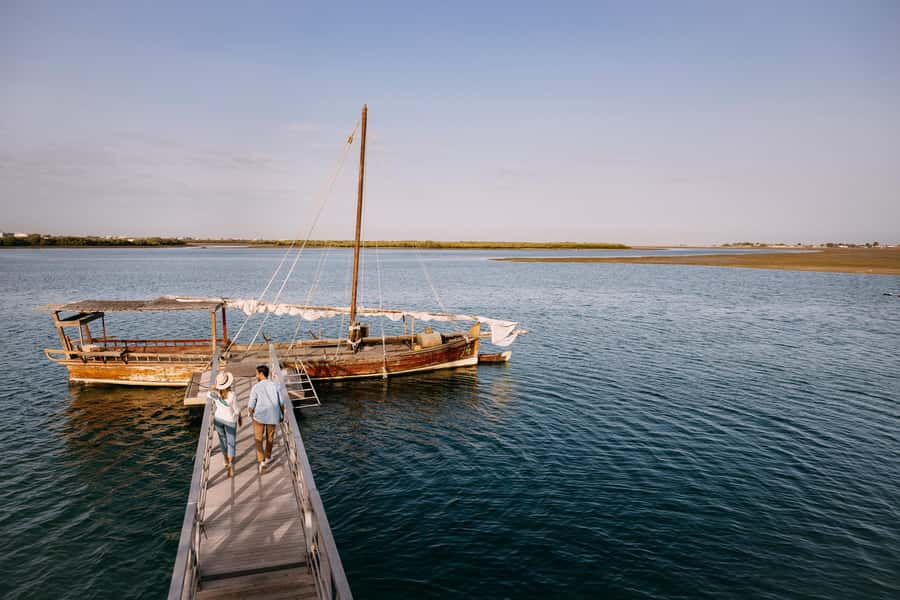
Transportation is not included, so plan your route to Suwaidi Pearls carefully. The meeting point can be difficult to find if you have just arrived in Ras Al Khaimah. Some visitors have found the venue easy to locate and park outside, but that should not replace checking directions before the day of the tour.
Arrive 15 minutes early. The boat departure is part of the scheduled experience, and arriving late could create stress at the marina.
Dress modestly and casually. Shorts, short skirts, sleeveless shirts, and clothing that does not fit local customs are not allowed. Comfortable clothes and shoes are recommended, although closed shoes are not necessary because you may remove your footwear twice when sitting on carpets.
Bring:
- Passport or identification card
- Sunscreen
- Insect repellent
- Comfortable clothing
- Shoes that are easy to remove
The activity is listed as wheelchair accessible, but the boat transfer and carpet seating may still be worth confirming before you book if you have specific mobility needs. Pets, baby strollers, and unsuitable clothing are not allowed.
Weather matters. The tour can be canceled at short notice because of sudden weather changes or other unforeseen conditions. The boat ride and outdoor setting make this a sensible safety rule rather than a minor technical detail.
Who will enjoy this most?
I would recommend the House of Pearls to you if you like:
- Local history presented by a guide rather than read from signs
- Small-scale cultural sites
- Boat rides with scenery
- Hands-on demonstrations
- Family activities that combine learning and entertainment
- Traditional crafts, trade, and food customs
- Short outings that leave room for other Ras Al Khaimah plans
It is a particularly good match if you want to understand the UAE beyond its modern skylines. The pearl trade helps explain an older coastal economy and gives you a clearer sense of what life was tied to before the region’s rapid transformation.
You may want to skip it if your priority is a long boat cruise, a polished attraction, or a guaranteed pearl purchase. The oyster opening might not produce a pearl, and the site does not pretend to be a luxury venue.
The experience also depends on your interest in listening. Much of the value comes through storytelling and explanation, so someone who wants nonstop action may find parts of the history session slow. For most people, the boat ride and live demonstration provide enough variety to keep the two-and-a-half hours moving.
Should you book the House of Pearls?
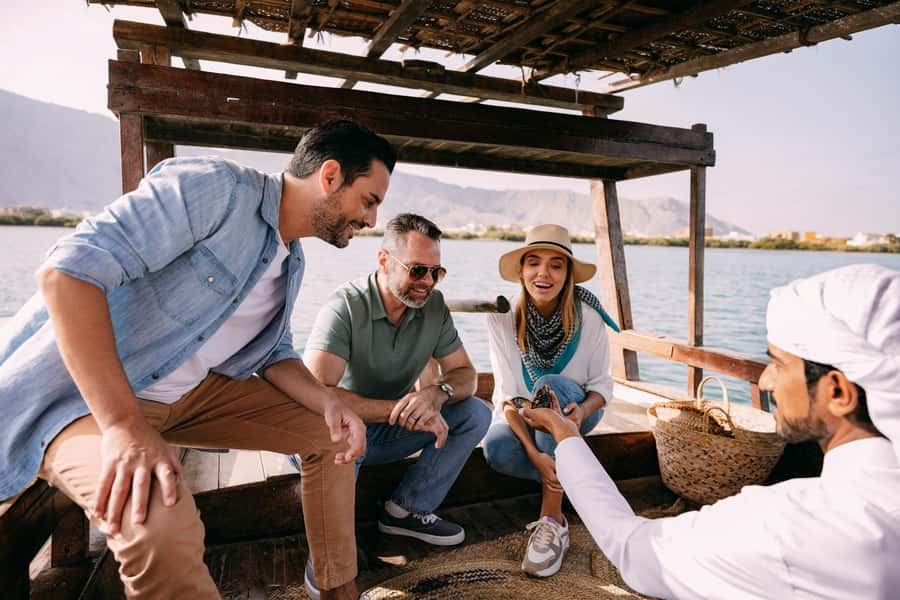
Book it if you want a well-priced, local experience that combines a traditional boat, mangroves, Arabian pearl history, and a real oyster opening. I especially recommend it for families and for anyone making a first visit to Ras Al Khaimah who wants more than a resort day.
Before booking, solve the transport question, dress modestly, and decide how you feel about the optional AED 450 plus 5 percent oyster and pearl purchase. You do not need to buy anything to enjoy the tour.
The farm is simple, the refreshments are light, and weather can change the plan. In return, you receive a focused look at one of the UAE’s oldest coastal trades, led by guides who know how to keep the subject clear and engaging. At $57, that is a fair exchange.
FAQ
How long does the House of Pearls tour last?
The tour lasts approximately two and a half hours, including the boat ride, guided presentation, oyster demonstration, and time at the farmhouse.
Where does the tour begin?
It begins at Suwaidi Pearls, with pickup by traditional boat from Al Rams Marina, the old fishermen’s village.
Is transportation to Al Rams Marina included?
No. Transportation to the meeting point is not included, so you need to arrange your own way to Suwaidi Pearls and Al Rams Marina.
What languages are available?
The live guide is available in English and Arabic.
Is the oyster or pearl included in the price?
No. The oyster and pearl are not included. If you choose to take the pearl, the stated cost is AED 450 plus 5 percent.
What refreshments are included?
Light snacks, water, soft drinks, dates, traditional Arabic tea, and coffee are included. Lunch is not included.
What should I wear and bring?
Wear modest, comfortable clothing and comfortable shoes. Bring your passport or identification card, sunscreen, and insect repellent. Shorts, short skirts, sleeveless shirts, pets, and baby strollers are not allowed.
Just added in the Middle East
- IMG World Of Adventure Dubai: Entry Tickets★ 4.5 · 28 reviews
- Escape Room: Escape Hunt Dubai – Jack The Ripper★ 5.0 · 95 reviews
- Hot air Balloon Dubai Magical Morning Without Breakfast★ 5.0 · 52 reviews
- Inside Burj Al Arab Dubai Guided Tour with Experience Package★ 4.0 · 52 reviews
- Inside Burj Al Arab Guided Tour with Transfer & Dinner Options★ 4.0 · 57 reviews
- Dubai Hot Air Balloon Ride with Breakfast, Falconry & Camel Ride★ 5.0 · 220 reviews
- Global Village Dubai★ 4.5 · 44 reviews
- Hot Air Balloon Sunrise Tour with free transport in Dubai★ 4.5 · 74 reviews
Tours in Ras Al Khaimah, compared.


RAK Desert Safari and BBQ Dinner with RAK pick up
Read our review →


Private Desert Day Tour and Wadi Shawka Pool Visit
Read our review →
Browse the lists this tour appears in