
Reviewed · TOURS IN DOHA
Doha-Qatar North Tour, Zubara Fort, Mangroves, purple island
Northern Qatar gives you a very different picture of the country from the towers and shopping malls of Doha. This private tour takes you to Al Zubara Fort, old coastal settlements, Al Khor Harbour, and the mangrove coast, linking Qatar’s past to the quiet places that remain today. I like the mix of archaeology and nature, especially the contrast between the stark fort and the green mangroves around Purple Island.
I also like that you travel in a private SUV with pickup and drop-off throughout Doha. Guides including Ali, Arum, Muzzi, Bashaar, Huzaifa, and Anwar have been praised for clear explanations, patience, and help with photos. The main consideration is time: five stops and a long drive are packed into about four and a half hours, so you may get a good introduction rather than a slow, unhurried visit at every site.
Key points before you book
- Al Zubara Fort gives the tour its strongest historical focus, with old defensive architecture and nearby archaeological remains.
- Al Thakira Mangroves and Purple Island add a welcome change of scenery, with coastal plants, calm water, and possible wildlife sightings.
- Al Jumail Village offers a quiet look at Qatar before modern development, with abandoned buildings linked to fishing life.
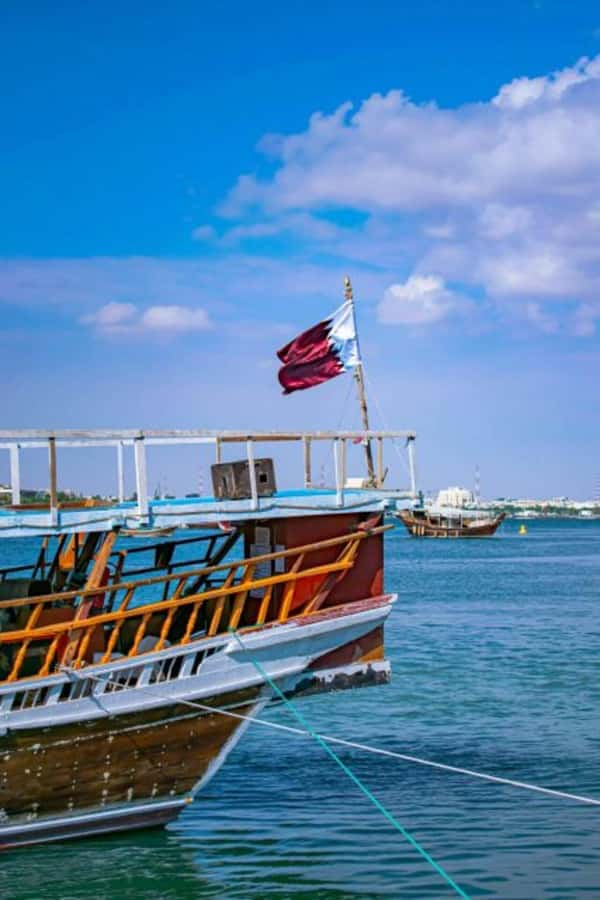
- Al Khor Harbour connects the past and present, showing traditional dhow boats alongside modern vessels.
- A private SUV and Doha pickup make this easy for families and small groups, with Wi-Fi and refreshments included.
- The guide matters here, since the sites are most rewarding when someone explains the old trade, fishing, pearl work, and village life.
Why northern Qatar is worth your time
Many first visits to Qatar focus on Doha’s museums, souqs, modern architecture, and grand stadiums. Those places are worthwhile, but they do not show much of the country’s older coastal life. North Qatar does.
This tour follows the coast and inland roads toward an area shaped by fishing, pearl work, small settlements, and trade. In the 18th and 19th centuries, coastal communities depended heavily on the sea. Al Khor Harbour, the villages around Zubara, and the old fort all help explain how people made a living before oil and gas transformed Qatar.
I like the way the tour joins several kinds of experience in one outing. You get a working harbour, a natural area, an island setting, a fort, and an abandoned village. None of these stops is likely to fill an entire day by itself, but together they tell a clearer story than any one attraction could.
The tour lasts 270 minutes, or about four and a half hours. The scheduled drive and visits make it a compact northern circuit. That is useful if you have limited time in Doha, but you should expect a brisk day. The published stop times add up to roughly the same period, and your actual pace may depend on road conditions, questions, photography, and how long you spend walking.
Other trips people book in Doha:
- Doha: Safari, ATV, Camels, Sandboarding and Inland Sea Tour
★ 4.8 · 5,291 reviews - Doha: ATV, Quad/Buggy Dune Bashing, Camel Ride, Sandboarding
★ 5.0 · 3,784 reviews - Desert safari, Dune bashing, sandboarding, camel, ATV Option
★ 5.0 · 2,826 reviews
Leaving Doha in a private SUV
Pickup is available throughout Doha, and the return is to your pickup location. The journey is in a private, newly supplied SUV, not a large shared coach. That matters if you are traveling as a family or small group and want to ask questions, adjust the pace, or stop for photographs without coordinating with strangers.
Wi-Fi on board and refreshments are included. Food is not included, so do not treat the refreshments as a full meal. Alcohol is also not included. Bring your passport or an ID card, with a copy accepted according to the tour information.
The guide is a central part of the experience. English, Arabic, and Hindi are available. Several named guides, including Ali, Arum, Muzzi, Bashaar, Huzaifa, and Anwar, have been praised for explaining landmarks along the road, answering questions, helping with photographs, and adjusting pickup details when needed.
That personal guidance is especially useful in the north. Some places are visually simple at first glance. A fort wall or a cluster of ruined homes becomes far more meaningful when you understand how fishing, pearl work, trade, and coastal settlement shaped the area.
Al Khor Harbour and Qatar’s seafaring past
The first major stop is Al Khor Harbour, reached after roughly 35 minutes in the SUV. Al Khor was an important fishing and pearl centre, and its harbour still offers a clear link to that earlier economy.
You can see traditional dhow boats associated with Qatar’s coastal past, along with modern boats. That mix is useful because it prevents the harbour from feeling like a staged historical display. It remains part of a living coastal setting, while the older boats help you picture how people once worked the waters.
The harbour is not a large museum site with a long indoor visit. Think of it as a place for a guided look, photographs, and context. Your guide can explain how the boats were used and why fishing and pearl work were so important before Qatar’s modern wealth.
I would pay attention to the transition here. Doha’s skyline is built around finance, energy, and international business. Al Khor Harbour points to an earlier Qatar, when coastal work and small communities shaped everyday life. This is one of the tour’s most useful stops for visitors who want more than modern-city sightseeing.
Al Thakira Mangroves, Qatar’s coastal green space
From Al Khor, the tour continues to Al Thakira Mangroves, one of Qatar’s largest mangrove forests. The setting changes quickly. Instead of open desert and built-up areas, you see shallow coastal water, low vegetation, and a quieter natural environment.
The mangroves are valuable not only because they are scenic, but because they show a side of Qatar many people do not expect. The country is often pictured as dry and urban. Here, salt-tolerant trees and coastal habitats create a different view of the northern shore.
Your guide provides a walking and viewing experience rather than a long technical nature expedition. Depending on conditions, you might notice birds or other wildlife, and the peaceful setting gives the tour a useful pause between historical stops. The mangrove area is also a good place to take photographs without the visual clutter of the city.
Do not expect a full kayaking trip or a water activity. The information describes a guided visit to the mangrove forest, not a separate boat excursion. That distinction matters if you are booking mainly for time on the water.
The natural stop also helps balance the fort and village visits. After seeing walls, ruins, and old boats, the mangroves remind you that Qatar’s coastal story is not only human. The shore itself shaped where people settled and how they earned a living.
Same base, a different sort of day:
- Qatar Gold Dune Safari, Dune Bashing,Camel Ride,Sand Boarding,Inland Sea Desert
★ 5.0 · 2,807 reviews - Doha :Half Day Desert Safari | Camel Riding | ATV | Sand Surfing
★ 5.0 · 1,907 reviews - Doha: Guided City Tour with Airport and Hotel Pickup
★ 5.0 · 1,585 reviews - Doha:ATV,Quad or Buggy Dune Bashing,CamelRide & Sandboarding
★ 5.0 · 1,413 reviews
Purple Island and the story behind its name
Purple Island is visited after the mangrove forest and is closely linked to the same coastal environment. It offers a calm setting, with mangrove-lined water and a chance to see a less developed side of northern Qatar.
The island is also associated with dye production, an unusual detail that gives the stop more meaning. Your guide can explain the historical connection between the area and the production of purple dye. That small piece of information turns what might otherwise look like a quiet island visit into a glimpse of an older local industry.
I would give yourself time to look rather than rush straight through. Purple Island is one of the places where the appeal comes from the atmosphere: low water, natural growth, open views, and a sense of distance from Doha. It is not presented as a major monument, so the quality of your visit depends partly on your interest in scenery and local history.
For families, this can be an easy and restful stop. For photographers, it offers a change from the pale stone and desert tones around the fort. For visitors who want a packed list of major attractions, it may feel more modest. That is the trade-off.
Al Zubara Fort and Qatar’s northern story
Al Zubara Fort is the historical centrepiece of the tour. The stop is scheduled for about 65 minutes, making it the longest visit of the day. That extra time is appropriate because the fort requires more explanation than a quick photo stop.
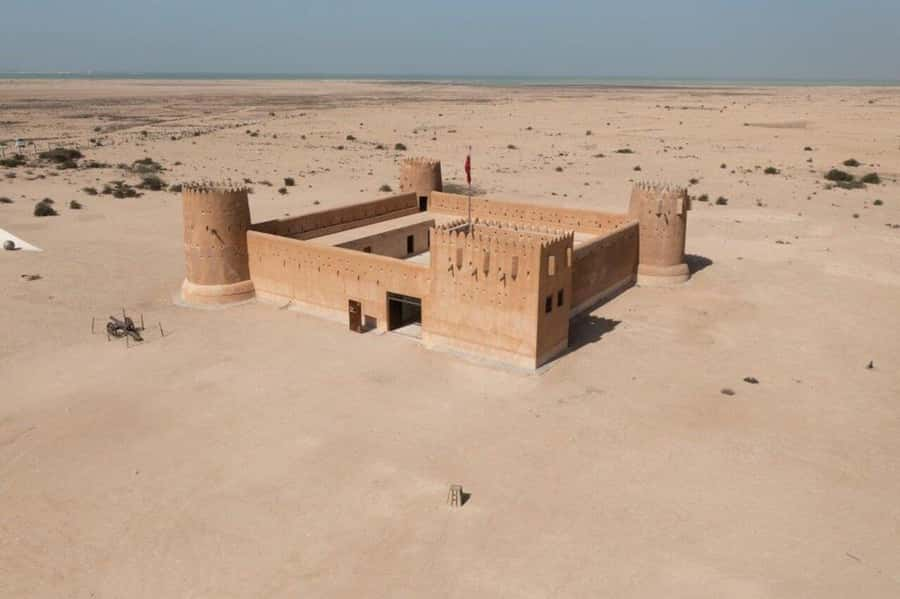
The fort is a strong example of traditional Arab defensive architecture. Its square form, thick walls, and watchtower-like structure give you a clear sense of how coastal settlements were protected. The site also introduces the wider Zubara archaeological area and its importance in Qatar’s past.
The fort became part of a UNESCO World Heritage site connected with the old settlement and archaeological remains. You are not simply visiting an isolated building. The fort helps explain a wider northern community involved in trade and coastal work.
Inside and around the fort, the value comes from connecting the visible structure to the lives once tied to this area. Your guide can explain how Zubara developed, why it mattered, and how the site later became an archaeological area. The fort’s surroundings also provide open views across the desert, which make the isolation of the place easier to appreciate.
I would treat the 65 minutes as an introduction, not a complete archaeological study. If you want to read every sign, linger over every wall, or explore at a very slow pace, the full circuit may feel short. If you want a well-explained visit with time for photographs and the main points, it should work well.
This is also the stop where a good guide makes the biggest difference. Huzaifa, Ali, Arum, and other guides have been praised for explaining the fort’s role in regional trade and bringing the archaeological remains into a wider story. Ask questions here. The site rewards curiosity.
Al Jumail Village, a quiet look at old coastal life
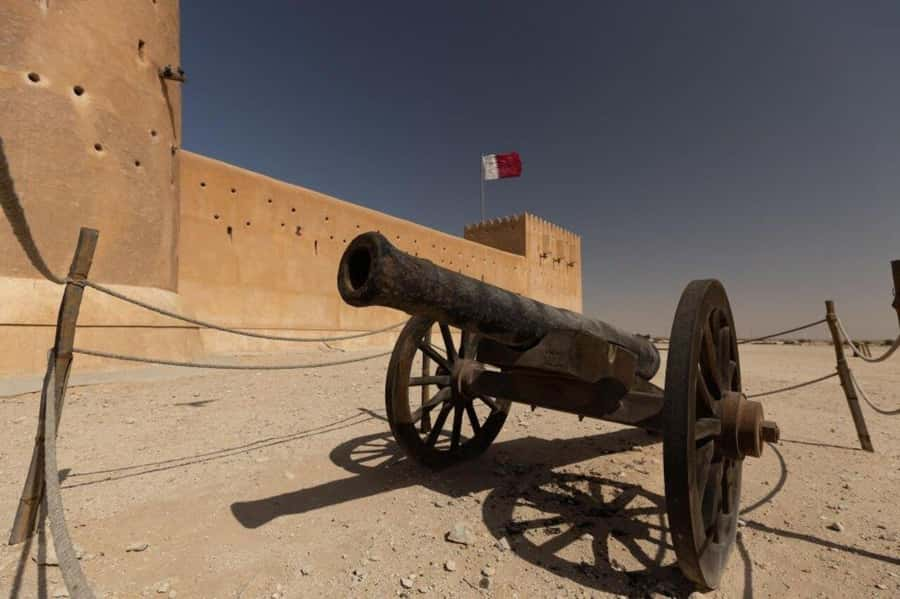
After Zubara Fort, the tour continues to Al Jumail Abandoned Village. This former traditional village gives you a more personal sense of Qatar’s past than the fort does.
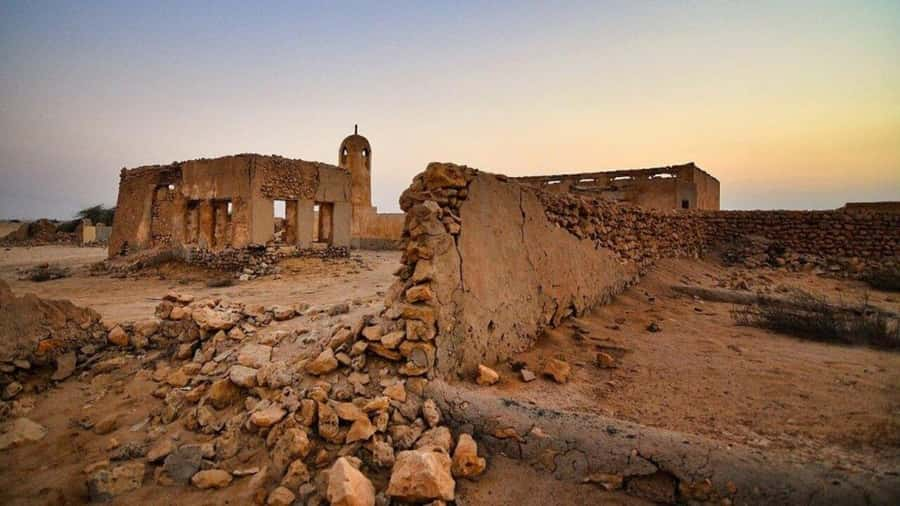
The remains are linked to fishing life and the people who once lived in the area. Instead of a restored monument, you see an abandoned settlement. That makes the visit quieter and more reflective. The empty buildings and worn structures suggest the scale of a village that once had daily routines, families, work, and movement.
Al Jumail is not polished in the way a major museum is. That is part of its appeal, but also something to understand before booking. You are visiting ruins, not a fully rebuilt historical attraction. The site may be most interesting if you enjoy seeing how a place changed over time.
A guide’s storytelling is important here. Without context, the remains can look like scattered walls. With an explanation of the village’s former role, you can picture the older coastal community and understand how Qatar’s way of life changed.
This is a good stop for anyone interested in traditional architecture and local heritage. It is also useful for families with older children, who can see that Qatar’s past was not only about forts and rulers. It was about ordinary homes, work, and communities near the sea.
How the schedule feels in real use
The full route includes Doha pickup, Al Khor, Al Thakira Mangroves, Purple Island, Al Zubara Fort, Al Jumail Village, and the return drive. The listed guided visits are about 35 minutes at Al Khor, 35 minutes at the mangroves, 35 minutes at Purple Island, 65 minutes at Zubara Fort, and 35 minutes at Al Jumail.
That is a lot of variety in one half-day. You will not have long stretches at one attraction, but you will see more of northern Qatar than a single-site excursion allows. The private format helps because the guide can keep the day moving while still answering questions.
One practical point is modest dress. A previous visitor specifically advised wearing modest clothing, especially if you stop for a snack or drink. Qatar is generally comfortable for international visitors, but respectful clothing is a sensible choice for this kind of cultural outing.
Bring identification, comfortable clothing, and anything you need for sun protection. The activity information specifically asks you to bring a passport or ID card, and a copy is accepted. Since food is not included, plan around that rather than expecting a full lunch during the tour.
The trip is listed as wheelchair accessible, and pickup and drop-off are included. If you need particular assistance, contact the provider when booking so the private vehicle and stops can be coordinated clearly.
Is the $71 price good value?

At $71 per person, the value depends on your group size and what you want from a northern Qatar visit. For a private tour with a dedicated SUV, Doha pickup and return, a certified guide, insurance, refreshments, and Wi-Fi, the price is reasonable for a half-day outing.
You are paying not only for transport but also for a route that would be awkward to arrange on your own. The stops are spread across northern Qatar, and the guide provides the context that makes the fort, harbour, village, and mangroves fit together.
The price is less attractive if you prefer spending a long time at one attraction or want a dedicated water excursion. This is a broad sightseeing circuit, not a slow archaeological visit or a full mangrove activity.
Free cancellation is available up to 24 hours before departure, and you can reserve now and pay later. Starting times depend on availability. Pickup coordination requires a phone number or WhatsApp contact, so provide a number you will check before the tour.
Who should book this northern Qatar tour?
I would choose this tour if you have already seen the main sights of Doha and want a stronger sense of Qatar before its modern transformation. It suits families, couples, small groups, and first-time visitors who want several kinds of stops without arranging separate transport.
It is especially good for you if you enjoy:
- Coastal history and old fishing communities
- Traditional boats and architecture
- Archaeological sites
- Quiet natural areas
- Photography
- A private guide who can explain local details
The tour may be less suitable if you want a beach day, extensive walking, a boat ride, or a slow visit with no fixed schedule. The pace is efficient, and the day includes several short stops.
Should you book it?
Book it if you want to see the side of Qatar that lies beyond Doha’s new buildings. The combination of Al Khor Harbour, mangroves, Purple Island, Zubara Fort, and Al Jumail Village gives you a useful picture of coastal work, old settlements, nature, and national history in one private outing.
The main reason to book is the guide-led format. Ali, Arum, Muzzi, Bashaar, Huzaifa, Anwar, and other guides have been praised for clear explanations, patience, photo help, and enthusiasm. Request a guide who can give you plenty of historical context if that is your priority.
Skip it only if your ideal day requires long stays, water sports, or a relaxed schedule with few stops. For most visitors with limited time in Doha, this is a practical and worthwhile way to reach northern Qatar.
FAQ
How long does the Doha North Tour last?
The tour lasts 270 minutes, or about four and a half hours, including the drive from Doha and the return journey.
What places are included?
The route includes Al Khor Harbour, Al Thakira Mangroves Forest, Purple Island, Al Zubara Fort, and Al Jumail Abandoned Village.
Is transportation included?
Yes. Pickup and drop-off are available throughout Doha, and the tour uses a private SUV.
Which languages can the guide speak?
Live guiding is available in English, Arabic, and Hindi.
Is this a private tour?
Yes. The activity is for a private group rather than a shared group.
What should I bring?
Bring a passport or ID card. A copy is accepted according to the tour information. Modest clothing is also a sensible choice.
Is the tour wheelchair accessible?
Yes, the activity is listed as wheelchair accessible.
Just added in Doha
- West Of Qatar, Mushroom Rocks, Camel Racing Track, Richard Serra★ 5.0 · 33 reviews
- Desert Thrills Wild Dunes Safari in Doha★ 5.0 · 28 reviews
- West of Qatar Tour || Richard Serra || Mushroom Rock Formation★ 5.0 · 31 reviews
- 4 Hours-Doha City Private Tour from AirPort/ Hotel★ 5.0 · 50 reviews
- East-West/West-East – By Richard Serra★ 5.0 · 23 reviews
- Sunrise or Sunset , Desert Safari Tour in Heart of Qatar★ 5.0 · 82 reviews
- Doha All Inclusive Self Ride of Quad,ATV’s or Buggy & Camel Ride★ 5.0 · 49 reviews
- Walking Tour: Discover Souq Waqif, An Almost Free Walking Tour★ 5.0 · 137 reviews
Tours in Doha, compared.

Safari, ATV, Camels, Sandboarding and Inland Sea Tour
Read our review →
Desert safari, Dune bashing, sandboarding, camel, ATV Option
Read our review →
Qatar Gold Dune Safari, Dune Bashing,Camel Ride,Sand Boarding,Inland Sea Desert
Read our review →
Half Day Desert Safari | Camel Riding | ATV | Sand Surfing
Read our review →
Guided City Tour with Airport and Hotel Pickup
Read our review →
ATV,Quad or Buggy Dune Bashing,CamelRide & Sandboarding
Read our review →

Safari, Camel Ride, Sandboarding and Inland Sea Tour
Read our review →Browse the lists this tour appears in