
Reviewed · JERUSALEM & BETHLEHEM TOURS
Jerusalem: Tour with Private Guide
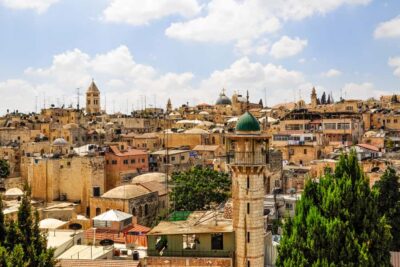
Jerusalem’s Old City is best understood on foot, where a few ancient steps can carry you from the Jewish Quarter to a Christian shrine, then toward a Muslim holy site. This private tour follows that remarkable overlap, from Zion Gate and the Armenian Quarter to the Western Wall, Via Dolorosa, and Church of the Holy Sepulcher.
I like the private format because you can linger at places that matter to you instead of following a fixed group pace. I also like the guides’ flexibility: Moshe has added lesser-known stops, while Izzat, Alena, Hanna, and Izak have been praised for adapting the day to personal interests. The main drawback is the $199 per-person price, which can feel steep for a walking tour, especially since the cost does not drop as more people join.
Key points to know before booking
- Walk from Zion Gate to Jaffa Gate, crossing the Armenian and Jewish quarters, Byzantine Cardo, Western Wall, Via Dolorosa, and Church of the Holy Sepulcher.
- Ask for a customized route if you have already seen the standard sights or want extra time at one religious site.
- Expect roughly three hours of walking, based on the planned route and guide feedback about the final hour.
- Private guiding is the main value, with explanations, questions, route changes, and local suggestions built around your interests.
- Dress for holy sites, with covered shoulders, knees, legs, and a modest neckline required.
- Bring water and sturdy shoes, since the Old City route includes ancient streets and plenty of time on foot.
Why a private guide helps in Jerusalem
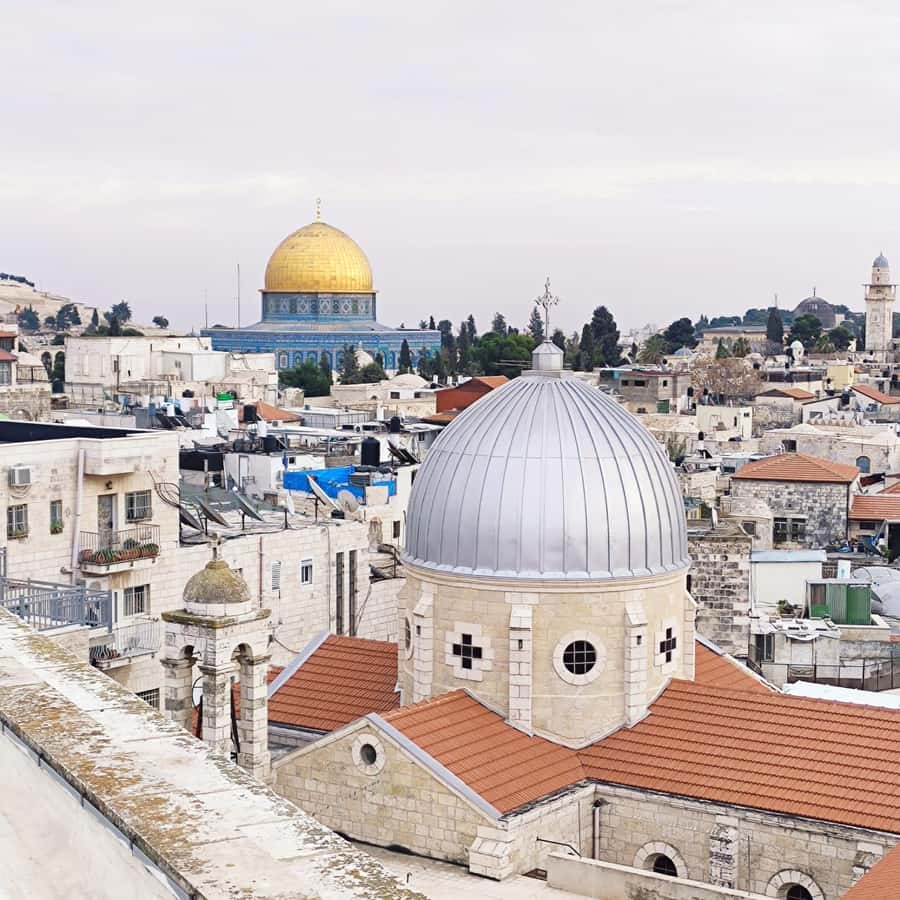
Jerusalem can feel confusing even when you have a map. The Old City is divided into historic quarters, but the borders are not always obvious as you walk. Religious buildings may be tucked behind plain walls, and a site’s meaning often depends on a story, a disputed tradition, or a detail you would otherwise miss.
A private guide gives you someone to connect those pieces. You can ask why a place matters to Jews, Christians, and Muslims, or focus more closely on one faith tradition. The guide can also adjust the route when a holiday, road closure, or local event changes the day. One guide redirected the route during the Jerusalem Marathon, while another helped with ordering unfamiliar pastries at Mahane Yehuda Market.
The listed guides include Arabic, English, French, German, Hebrew, Italian, Russian, Spanish, Chinese, Dutch, Greek, Indonesian, Portuguese, Romanian, and Swedish. That wide language choice matters here. Religious terms and historical names are easier to follow when you can ask questions in the language you use most comfortably.
Pickup is on foot from a centrally located Jerusalem hotel or another central point. There is no vehicle transfer or drop-off service, so you should plan to continue on your own after reaching Jaffa Gate.
More old-city days from Jerusalem:
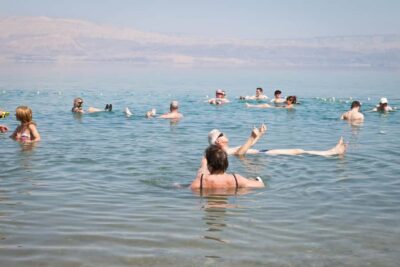
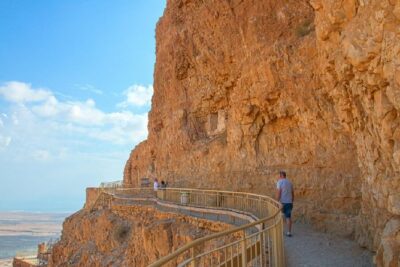
- From Jerusalem: Masada & Dead Sea Full Day Tour with Pick Up
★ 4.5 · 815 reviews - Masada and the Dead Sea Day Trip from Jerusalem
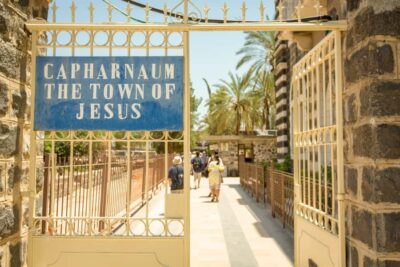
★ 4.5 · 757 reviews - From Jerusalem: Nazareth and Sea of Galilee Tour
★ 4.5 · 588 reviews
Starting at Zion Gate and entering the Armenian Quarter
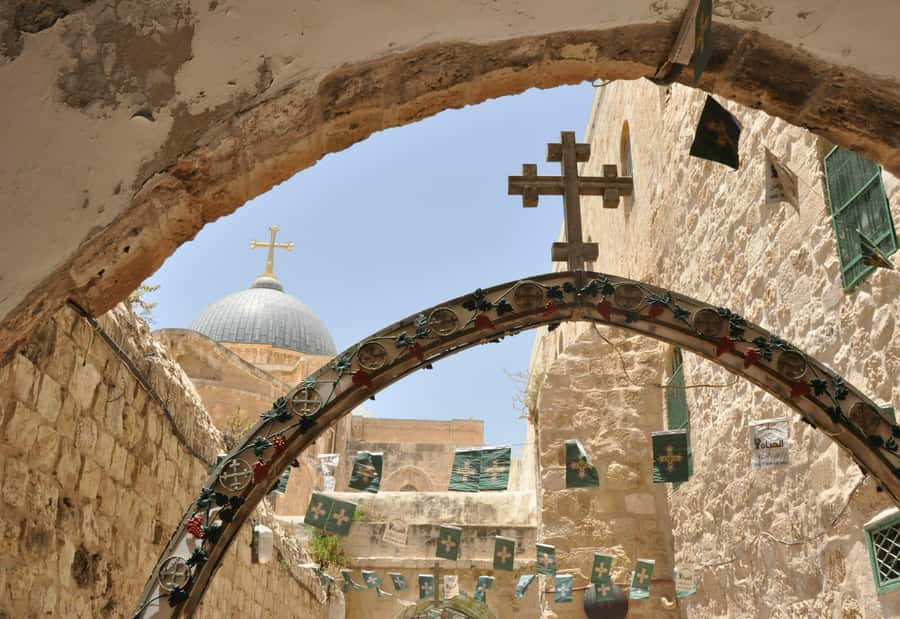
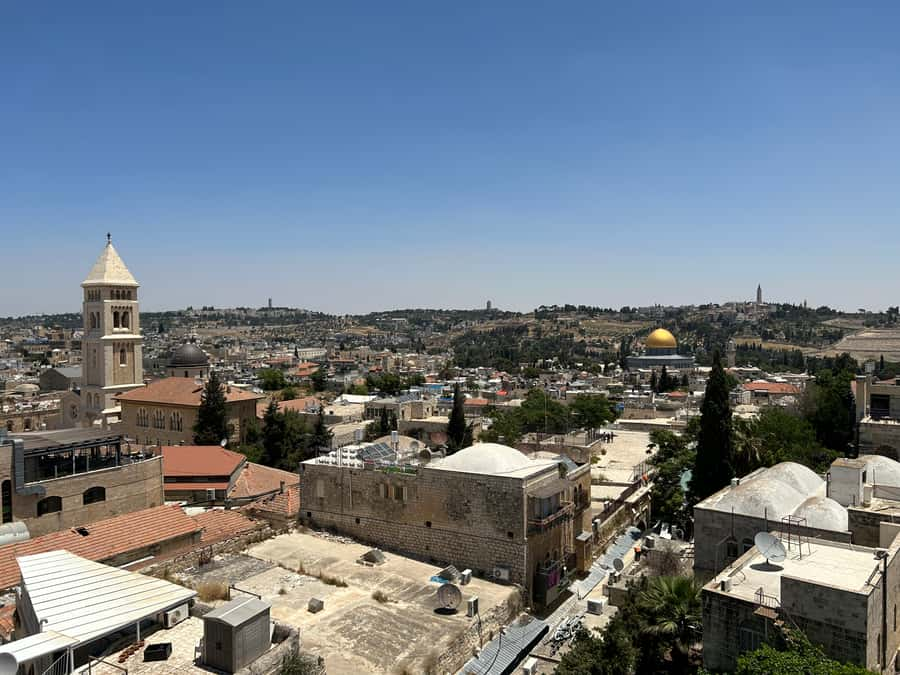
The route begins at Zion Gate, one of the Old City’s historic entrances. From here, you enter the Armenian Quarter, an area that often receives less attention than the Western Wall or the Christian holy sites. A guide helps give this part of the walk some shape, explaining how Jerusalem’s quarters developed and why several religious communities remain close together within the walls.
This is also a useful opening because it moves you into the Old City without starting immediately at its most crowded religious site. You get a sense of the stone lanes, changing street levels, and compact layout before reaching the major landmarks.
Expect a walking route rather than a series of formal museum visits. The value comes from the guide’s explanations and the chance to stop when something catches your eye. If you have a particular interest in the Armenian Quarter, say so at the start. A private guide can usually give it more attention than a standard group schedule.
The Jewish Quarter and the Byzantine Cardo
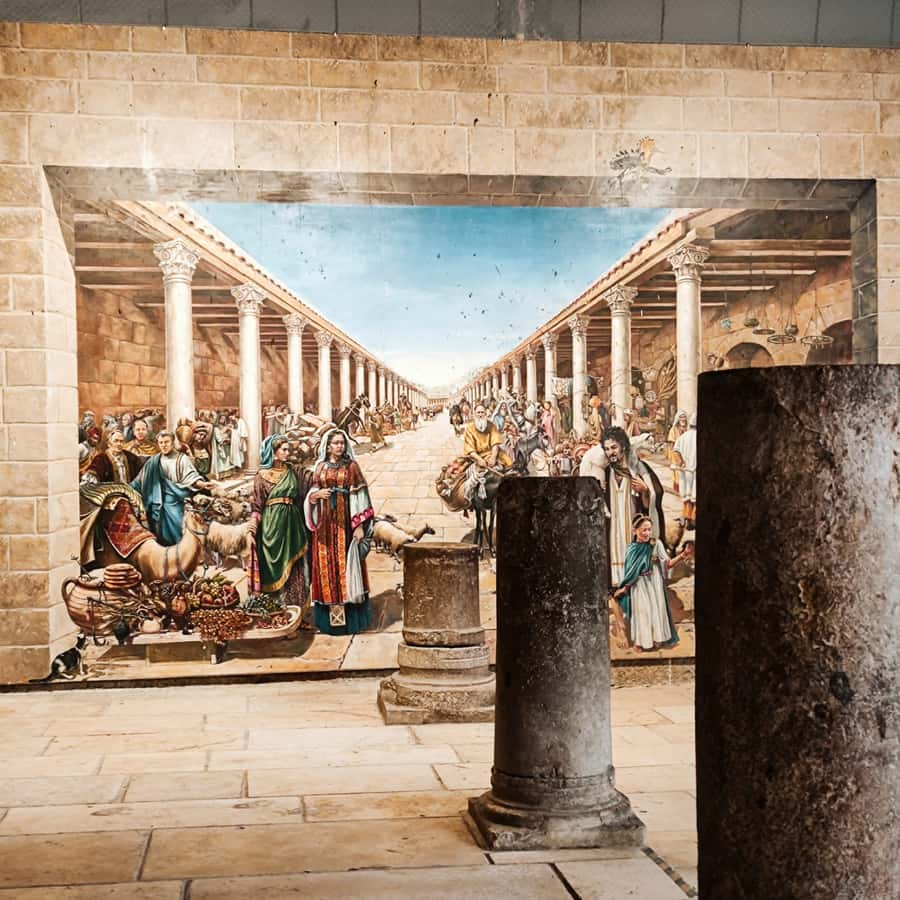
From the Armenian Quarter, the tour continues into the Jewish Quarter and the ancient Byzantine Cardo. The Cardo was a major north-south street in the Roman and Byzantine city, and its remains help you picture Jerusalem as a working urban center rather than only a collection of sacred monuments.
The Jewish Quarter offers a different mood. Narrow lanes open onto courtyards, religious buildings, and views across the Old City. Your guide can explain how the quarter changed over time and place the visible stones within the larger story of Jerusalem.
I would use this section to ask practical questions. How did people move through the city? Which parts are ancient, reconstructed, or still in daily use? How do the quarters relate to one another? A private tour works well here because you can pause for clarification instead of letting a group move on.
The route can also include extra locations if the guide has time and you show interest. Moshe has taken visitors to the Church of St. Peter in Gallicantu, the cistern of St. Helena, and the underground street level at the Convent of the Sisters of Zion. These places are not guaranteed on every tour, but they show the benefit of asking for alternatives to the basic route.
The Western Wall and the Temple Mount
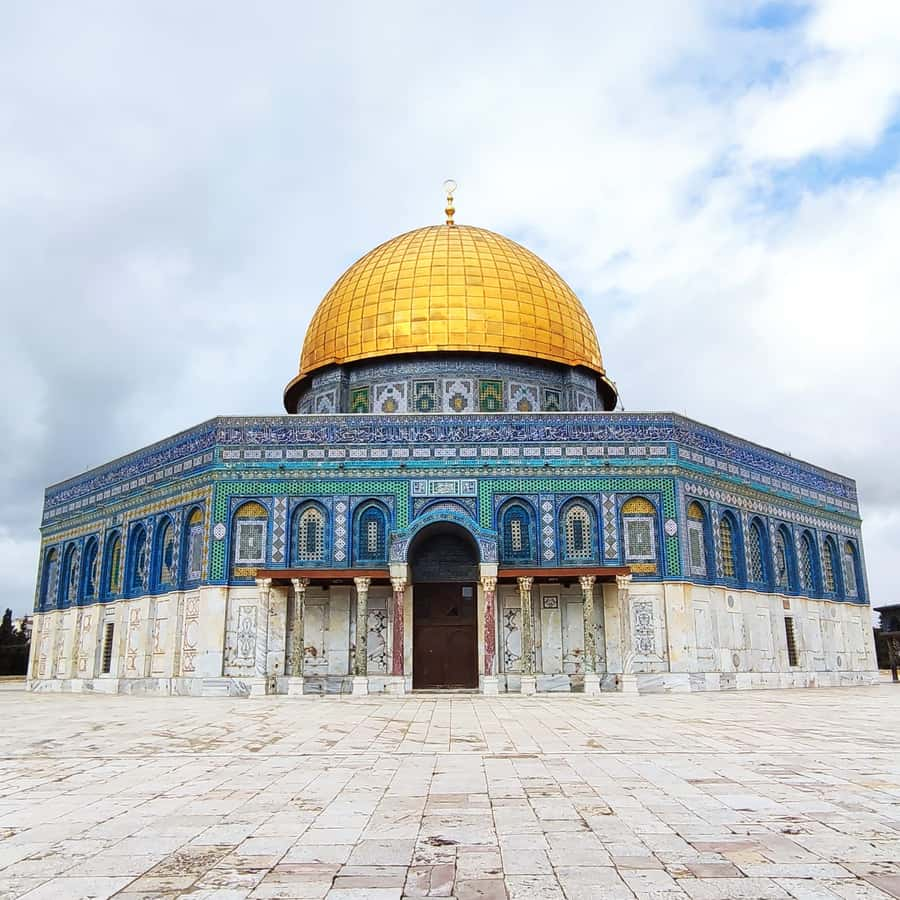
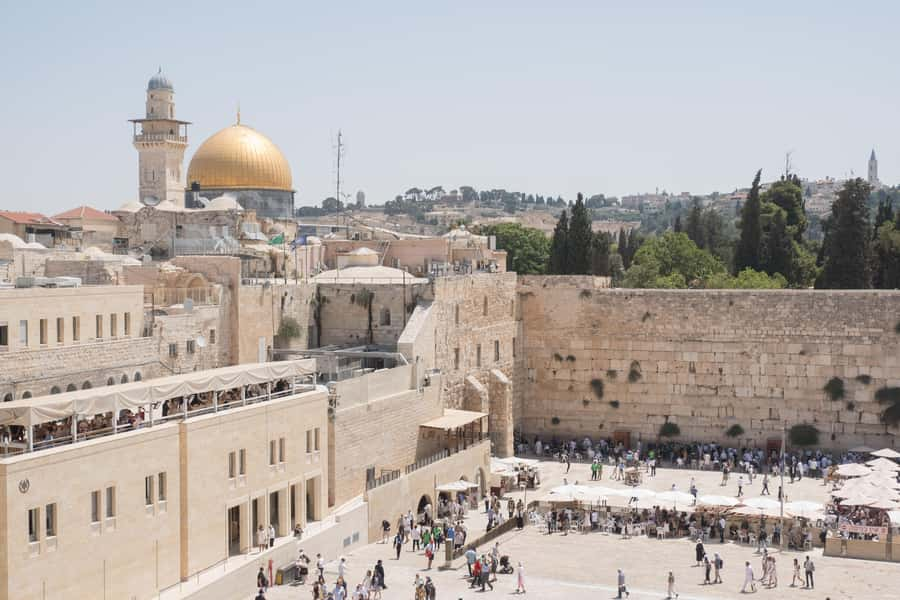
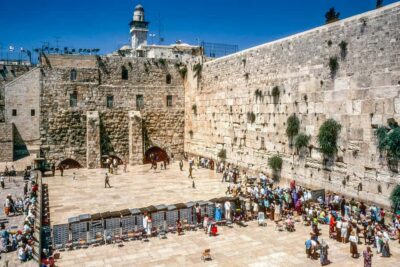
The Western Wall is one of the tour’s central stops. It is part of the retaining wall associated with the Temple Mount, with major sections dating to Herod the Great’s expansion of the Temple complex in 20 BCE. Today, it is a place of prayer where people approach the stones, reflect, and place written prayers into the cracks.
Your guide can explain the wall’s religious importance and the surrounding history, but the visit also leaves room for a quiet personal moment. You do not need to be religious to understand why this stop carries such emotional weight. The combination of ancient stone, active prayer, and a site shared by several traditions makes it one of Jerusalem’s most powerful encounters.
Dress carefully here and at the other holy sites. Women must cover their legs to the ankles, arms past the elbows, and the area from the neckline down. Men must cover their knees and wear a sleeved shirt. You can dress casually for the streets and markets, but bring a long-sleeved shirt and long pants or another covering that meets the requirements.
You may also be able to place a written prayer in the wall. This is a small act, but it can make the visit feel personal rather than purely historical. Bring your own note if you want to do this, since the tour information does not specify that paper is supplied.
Same base, a different sort of day:
- From Jerusalem: Half-Day Bethlehem Guided Tour
★ 4.7 · 568 reviews - Jerusalem/Tel Aviv: Bethlehem, Jericho and Jordan River Tour
★ 4.6 · 526 reviews - From Jerusalem/Tel Aviv: Bethlehem and Dead Sea Day Tour
★ 4.7 · 484 reviews - Nazareth and the Sea of Galilee Day Trip from Jerusalem
★ 4.5 · 446 reviews
Walking the Via Dolorosa
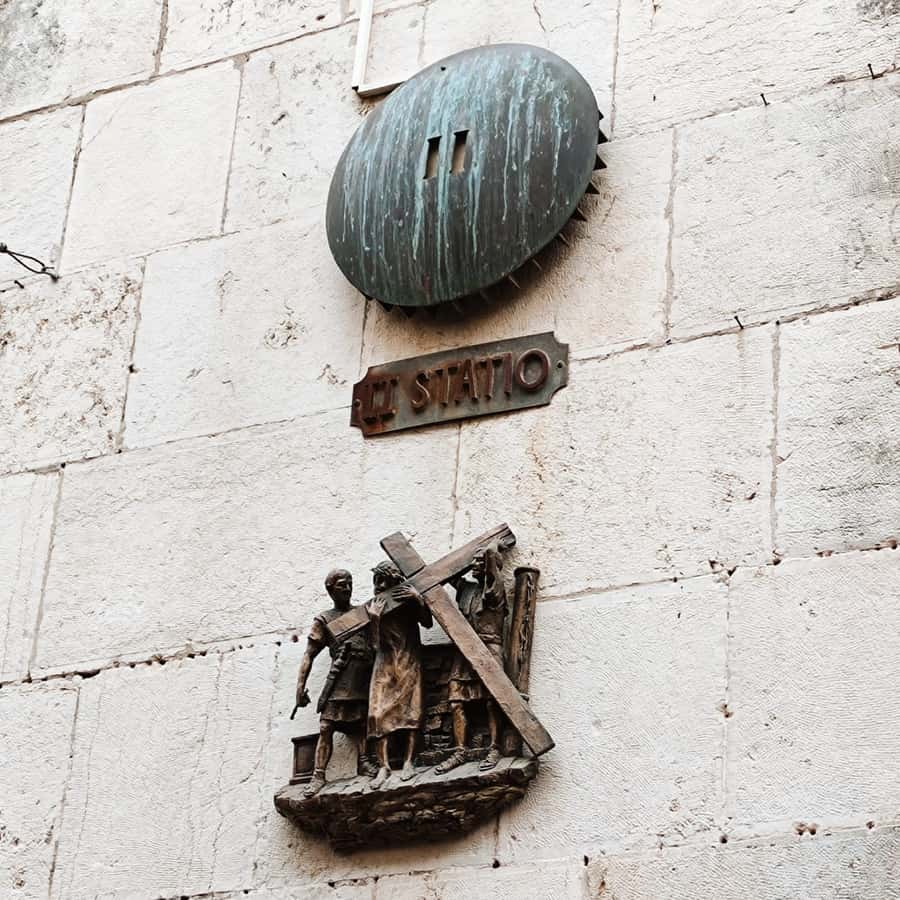
The next major section follows the Via Dolorosa, traditionally identified as the route Jesus took from condemnation toward crucifixion. The path leads through the Old City’s narrow lanes, where shops, homes, religious buildings, and pilgrims share the same confined space.
A guide is particularly useful here because the route is not simply a straight, quiet pilgrimage path. It is part of a living city. You may need help recognizing the stations and understanding their place in Christian tradition while also navigating the ordinary movement of the Old City.
This section suits visitors who want context rather than only photographs. Ask your guide how the route developed, which stations are tied to specific traditions, and how the modern street relates to the biblical account. The precise historical details can be complex, and a good guide should explain what is known, what is traditional, and what remains a matter of faith.
The route involves standing and walking, so comfortable shoes are essential. Water is also important, particularly if you are visiting in warm weather. The tour description does not provide a fixed length, but the planned route and guide feedback point to around three hours, with the final portion potentially tiring for some people.
Inside the Church of the Holy Sepulcher
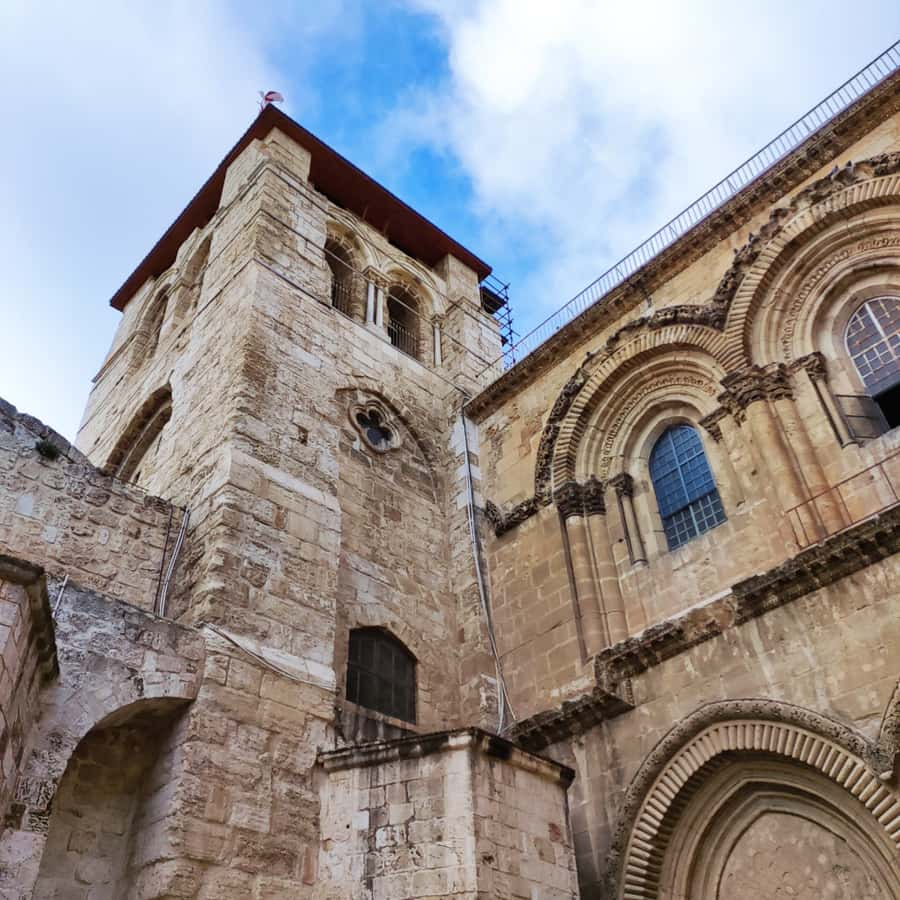
The tour ends its main religious route at the Church of the Holy Sepulcher. For Christians, this is the site associated with Jesus’ crucifixion, burial, and resurrection. It is one of the most important churches in the world, but it can also feel visually and emotionally dense, with chapels, shrines, candles, stone surfaces, and several Christian communities sharing responsibility for the building.
A private guide can help you make sense of what you are seeing. Without context, it is easy to enter, see several sacred spots, and leave without understanding how they fit together. The guide can explain the church’s role, point out significant locations, and answer questions about Christian traditions connected to the building.
The tour includes a private visit with the guide, but entrance fees are listed as not included. Ask about any current fee before booking or at the start of the tour, since the supplied details do not specify the amount or which parts require payment.
Allow yourself a little patience here. This is not a quick photo stop. The church is a place of worship, and your visit may involve waiting, quiet observation, or adapting to religious activity taking place around you. Modest clothing is required.
Reaching Jaffa Gate and continuing independently
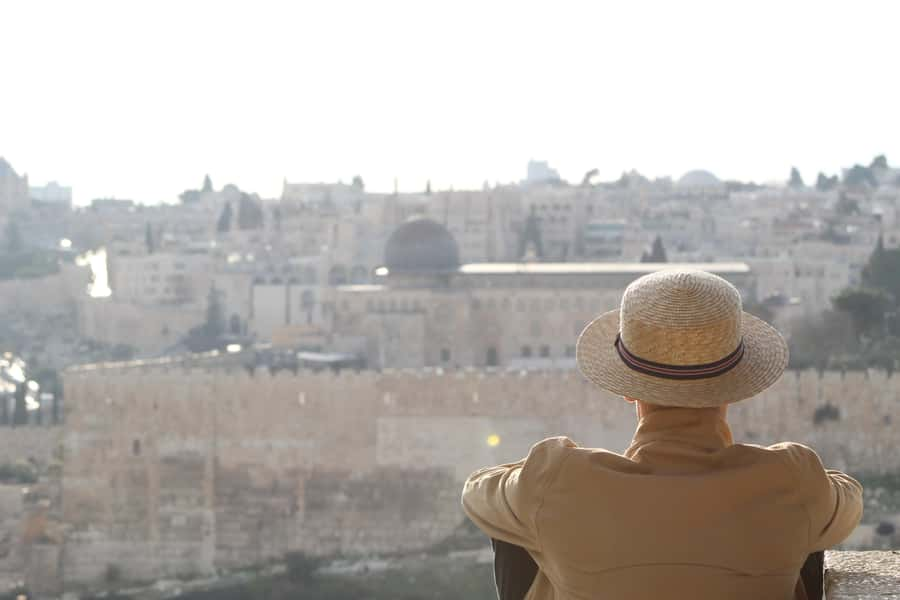
The tour finishes near Jaffa Gate. This is a useful ending point because you can continue exploring the Old City, return toward central Jerusalem, or stop for food without arranging another transfer through the tour provider.
The guide may also suggest places to eat or help you navigate local food. Mahane Yehuda Market came up as a useful add-on in guide-led experiences, with help choosing pastries and local specialties. One guide even treated a visitor to bread with zaatar, a simple local snack that added a personal touch to the day.
Food and drinks are not included, so plan to pay separately. The same applies to your return journey, since there is no drop-off service. If you want a relaxed meal after the walk, use the ending near Jaffa Gate as a natural point to make your own plan.
How the $199 price holds up
At $199 per person, this is not the economical way to see Jerusalem’s Old City. The cost makes more sense if you value a private guide, a chosen language, direct answers, and the ability to change the route as you go.
The price is easier to justify for one or two people who want close attention. It is less attractive for a larger party because the rate is charged per person rather than becoming much cheaper as the group grows. One visitor specifically felt the pricing should decrease for additional participants.
The strongest value comes from the guide, not from included extras. Taxes and handling charges are included, but food, drinks, entrance fees, and return transportation are not. You are paying for time, local interpretation, route planning, and flexibility.
The guide quality can vary by individual assignment, but several names have received especially strong praise. Moshe is described as able to answer detailed questions about history and geography, and willing to stay beyond the planned time when the group still had places to see. Izzat has been praised for adding help beyond the basic tour, including local advice about living in Israel. Alena is described as flexible and warm, while Hanna is noted for making the day both informative and pleasant. Izak has been paired with Alena on tours that included both familiar sights and less-used routes.
That does not guarantee a specific guide unless you arrange it directly, but it gives you a useful question to ask when booking: who will lead the tour, and can the route be adjusted around your interests?
Who should book this Old City walk?
I would recommend this experience to first-time visitors who want the main religious sites explained in one continuous walk. It is also a good fit if you have limited time in Jerusalem and want to connect several major landmarks without working out the route yourself.
It suits people with specific interests, too. You might ask for more Christian history, Jewish history, architecture, archaeology, food, or lesser-known religious sites. The private format gives you a better chance of shaping the day around that focus.
Families and mixed-faith groups may appreciate being able to ask sensitive questions privately. So might returning visitors who have already seen the Western Wall or Church of the Holy Sepulcher and want something beyond the usual route.
I would hesitate if you dislike walking, need a low-cost activity, or prefer to explore at your own pace without a guide. The Old City streets can be tiring, and the tour has a lot of history packed into a few hours. It is also not a good choice if your clothing will not meet the requirements at holy sites.
Practical details that matter
Wear comfortable shoes, bring water, and dress in layers that allow you to cover your arms and legs when needed. A long-sleeved shirt and long pants are specifically advised for site access.
Pickup is available on foot from centrally located hotels or central Jerusalem meeting points. There is no drop-off, so consider where you want to go after Jaffa Gate.
You can choose among many guide languages, including English, Hebrew, Arabic, French, German, Italian, Spanish, Russian, Chinese, Dutch, Greek, Indonesian, Portuguese, Romanian, and Swedish. Reserve now and pay later is available, and cancellation is allowed up to 24 hours before the tour for a full refund.
Should you book it?
Book this tour if you want Jerusalem explained by one person who can adjust the route, answer detailed questions, and add personal touches. The private format is especially useful for a first visit, a mixed-interest group, or anyone who wants more than a standard march through the Old City.
Skip it if $199 per person feels too high for a walking tour, or if you prefer to visit the sites independently. For the best value, ask about the guide’s name, confirm the expected length, explain your priorities before starting, and check any entrance fees. With those points clear, the tour offers a focused way to experience Jerusalem’s most important sacred places in a single morning or afternoon.
FAQ
Where does the tour begin?
Pickup is available on foot from a centrally located hotel or another central point in Jerusalem.
Where does the tour finish?
The tour ends near Jaffa Gate. Drop-off service is not included.
Which places are included?
The route includes Zion Gate, the Armenian Quarter, the Jewish Quarter, the Byzantine Cardo, the Western Wall, the Via Dolorosa, and the Church of the Holy Sepulcher.
Is the tour private?
Yes. The experience includes a private guide and a private tour around Jerusalem’s Old City.
How long does the tour take?
The supplied information does not give a fixed duration, but the planned route and guide feedback refer to the end of the third hour. Confirm the exact timing when booking.
Which languages are available?
Guides are available in Arabic, English, French, German, Hebrew, Italian, Russian, Spanish, Chinese, Dutch, Greek, Indonesian, Portuguese, Romanian, and Swedish.
What should I wear?
Wear comfortable clothes and shoes. At holy sites, women must cover their legs to the ankles, arms past the elbows, and the area from the neckline down. Men must cover their knees and wear a shirt with sleeves.
Are food, drinks, and entrance fees included?
No. Food and beverages are not included, and entrance fees are also listed as excluded. Taxes, handling charges, the private guide, and the Old City tour are included.
Can I cancel the booking?
Yes. You can cancel up to 24 hours in advance for a full refund. Reserve and pay later is also available.
Just added in Jerusalem
- Discover about Bethlehem, Jordan River and temptation monastery★ 5.0 · 22 reviews
- Private Day Tour: Jericho, Mount of Temptation, Hisham’s Palace and Bethlehem★ 5.0 · 28 reviews
- Private Day Tour: St. George’s Monastery, Wadi Qelt, Mar Saba, and Bethlehem★ 5.0 · 38 reviews
- Full-Day Bethlehem, Jericho, and Jordan River Tour★ 4.5 · 109 reviews
- Jericho and Bethlehem Private Tour★ 5.0 · 24 reviews
- Half Day Private Tour of Bethlehem★ 5.0 · 38 reviews
- Hebron and Bethlehem Private Tour★ 5.0 · 23 reviews
- Bethlehem & Dead Sea Day Tour from Jerusalem & Tel Aviv★ 4.5 · 40 reviews
Jerusalem & Bethlehem Tours, compared.
Masada and the Dead Sea Day Trip from Jerusalem
Read our review →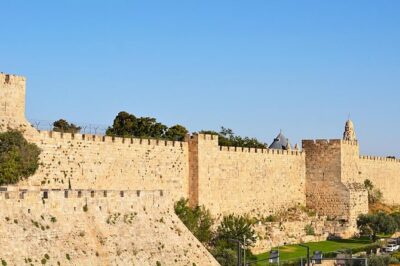
Day Tour to Jerusalem and Bethlehem from Tel Aviv
Read our review →
Browse the lists this tour appears in