

Reviewed · JERUSALEM & BETHLEHEM TOURS
Holy Jerusalem Half-Day Tour From Jerusalem
Jerusalem’s Old City is packed with sacred places, narrow lanes, and layers of history. This tour gives you a useful first look from Mount Scopus, then takes you inside the walls for the Western Wall, the Via Dolorosa, and the Church of the Holy Sepulchre.
I like the strong mix of viewpoints and walking, and I like that the route covers major Jewish and Christian sites in one morning. The guide is also a real asset here, since the meaning of each place matters as much as what you see.
The main caution is timing. The tour is sold as five hours, but one French booking reported a long wait between the 7:50 meeting request and the 9:30 start, leaving only about three hours for the actual visit. Confirm the pickup time before you go.
Key points to know before booking
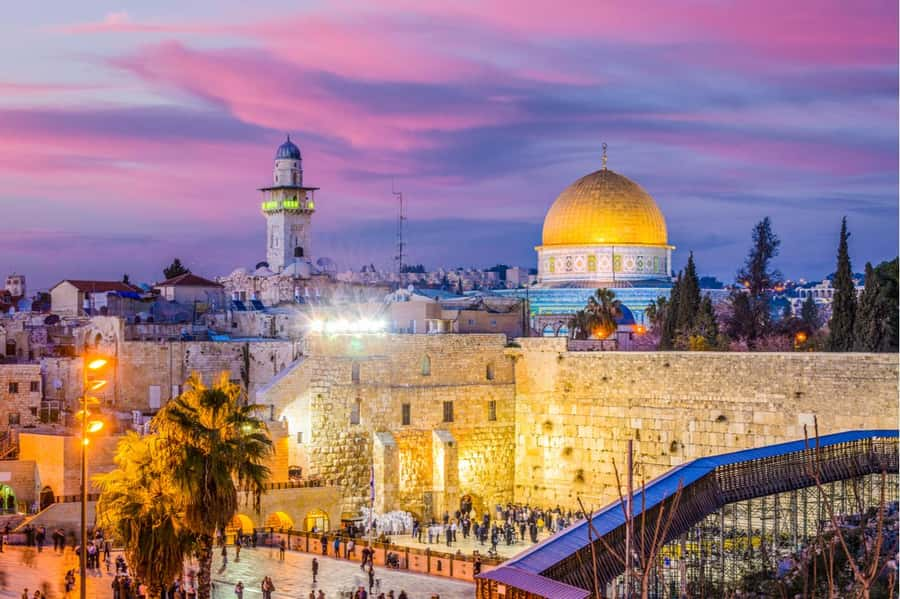
- Mount Scopus gives you the big picture: Look across the Jewish cemetery, the Old City walls, and the Dome of the Rock before entering the historic center.
- The tour covers two major faith sites: You visit the Western Wall and the Church of the Holy Sepulchre in the same morning.
- The walk moves through several quarters: The route includes the Armenian Quarter, Byzantine Cardo, Jewish Quarter, Via Dolorosa, and Old City markets.
- It ends inside the Old City: Hotel drop-off is not included, but this gives you time to continue sightseeing, shop, or find lunch.
- Modest clothing is required: Bring comfortable shoes and dress respectfully for religious places.
- The price is high for a half-day: At $385 per person, the value depends on the quality of the guide, transport, and the convenience of fitting so much into one morning.
Mount Scopus puts Jerusalem in context
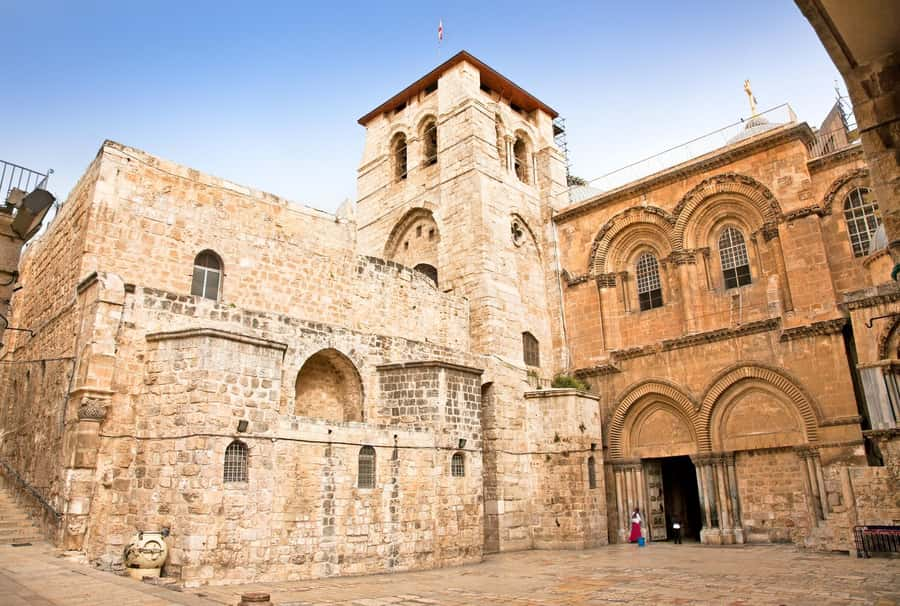
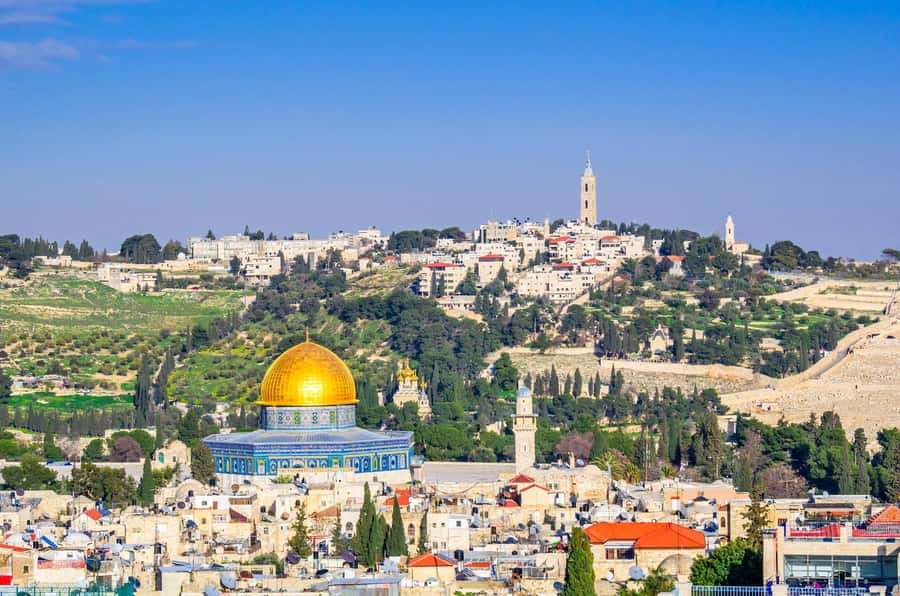
The tour begins at Mount Scopus, a high viewpoint looking toward Jerusalem. This is a smart first stop because the Old City can feel confusing once you enter its tight lanes. From above, you can see how the main sites relate to one another.
Below you is the ancient Jewish cemetery. Beyond it are the Old City walls and the Dome of the Rock on Temple Mount, its golden dome drawing your eye across the city. Your guide can use this view to explain the importance of Temple Mount and the Second Temple, which was destroyed in AD 70.
I like this opening because it gives you a mental map before the walking begins. You are not simply moving from one famous building to the next. You can look down toward the Old City and picture the former temple complex, the surrounding city, and the long religious importance of this hilltop area.
The view also helps you understand the tour’s mix of Jewish and Christian sites. The Western Wall, the Temple Mount, the Garden of Gethsemane, and the Church of the Holy Sepulchre are not isolated attractions. They sit within a small, intensely important part of Jerusalem.
More old-city days from Jerusalem:
- From Jerusalem: Masada & Dead Sea Full Day Tour with Pick Up
★ 4.5 · 815 reviews - Masada and the Dead Sea Day Trip from Jerusalem
★ 4.5 · 757 reviews - From Jerusalem: Nazareth and Sea of Galilee Tour
★ 4.5 · 588 reviews
Down through the Kidron Valley to Gethsemane
From Mount Scopus, the vehicle follows the winding road toward the Kidron Valley. The change from open viewpoint to valley is quick, and it gives you a different look at the Old City’s eastern side.
You see the Garden of Gethsemane and the Church of All Nations. The garden is associated with the final hours of Jesus before his crucifixion, while the church is known for its setting and Christian importance. This portion of the route is mainly about viewing and explanation, rather than a long stop for independent exploration.
The Kidron Valley also contains ancient burial monuments. The itinerary identifies the tombs of Absalom and Jehoshapat, Benei Hezir, and Zechariah. These stone monuments add another layer to the morning, showing that the area has long been used as a place of burial and remembrance.
You should expect a quick-moving program. Five hours is enough to sample these locations, but not enough to linger at every church, tomb, and quarter. If you want long periods for prayer, quiet reflection, or detailed photography, you may need extra time in Jerusalem after the tour.
Entering the Armenian Quarter through Zion Gate
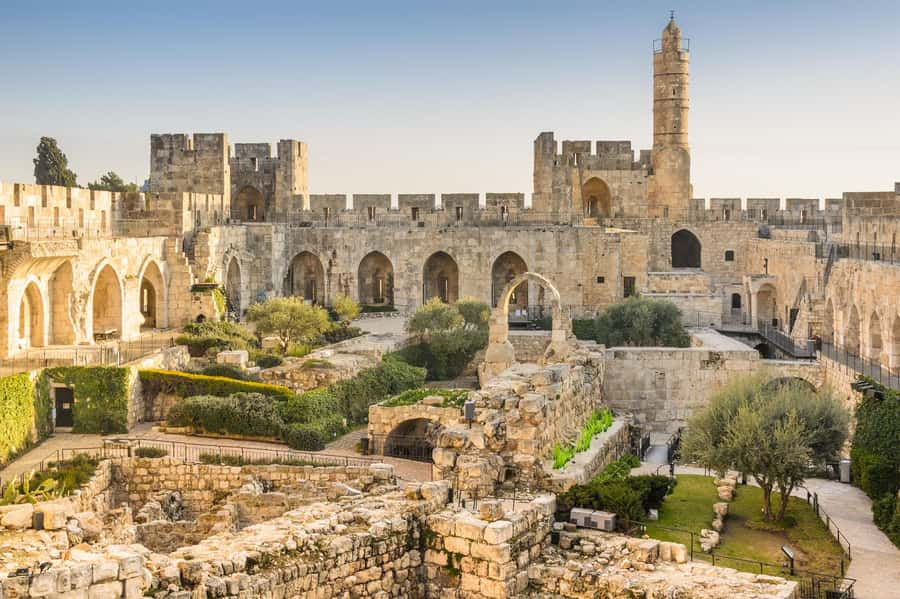
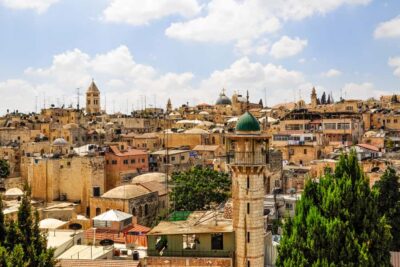
The walking section enters the Old City through Zion Gate and continues into the Armenian Quarter. This is a good entrance for a route that later reaches the Jewish Quarter and the Christian sites.
Jerusalem’s Old City is divided into quarters, but the boundaries are not always obvious when you are walking. The guide helps connect the street in front of you with the community and religious tradition associated with it. The Armenian Quarter also gives you a quieter starting point than the busiest market lanes farther inside.
The route then reaches the Byzantine Cardo. Excavations have exposed part of this ancient street, and specialty shops now operate where Crusader-era stores once stood. You get a clear example of how Jerusalem works: one period is revealed beneath another, and modern commerce takes place inside spaces shaped by older cities.
I like the Cardo because it is more than a photo stop. It helps you see the Old City as a layered place rather than a collection of single-period monuments. The remains are not presented in a separate museum setting. They are part of the street you are walking through.
The Jewish Quarter and the Western Wall
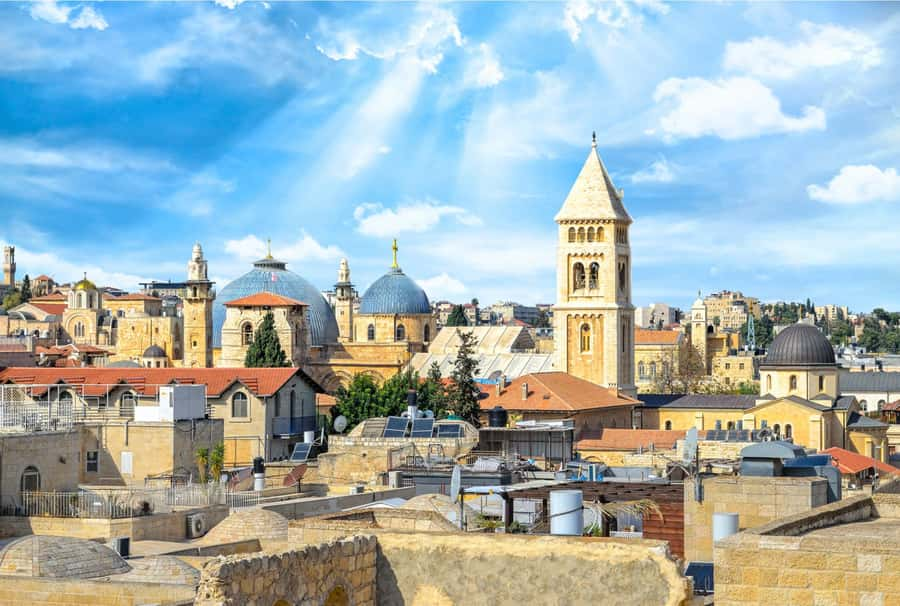
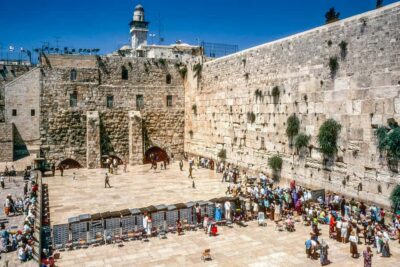
From the Cardo, the route continues through the Jewish Quarter to the Western Wall. This is the emotional center of the Jewish portion of the tour and one of the most important stops of the morning.
The wall formed part of the outer supporting walls of the Second Temple compound. After the temple was destroyed in AD 70, the remaining wall became a place of prayer and remembrance. You can see people praying and placing notes between the stones, a practice that gives the site a very personal feel.
Your guide should explain the setting and customs, but you also need to pay attention to your own behavior. Modest dress is required, and the Western Wall is an active place of worship, not simply an archaeological attraction. Move respectfully, follow posted instructions, and avoid treating people at prayer as background for casual photographs.
This stop is valuable because the wall’s meaning comes from both its age and its continuing use. You are seeing an ancient structure that remains central to Jewish religious life. The visit can be brief, especially if the group is keeping to schedule, so use the time carefully.
The Western Wall area is also near Temple Mount, but access rules and visiting arrangements for the mount itself are not part of this tour. The description promises views of the Dome of the Rock from Mount Scopus, not entry to the shrine.
Same base, a different sort of day:
- From Jerusalem: Half-Day Bethlehem Guided Tour
★ 4.7 · 568 reviews - Jerusalem/Tel Aviv: Bethlehem, Jericho and Jordan River Tour
★ 4.6 · 526 reviews - From Jerusalem/Tel Aviv: Bethlehem and Dead Sea Day Tour
★ 4.7 · 484 reviews - Nazareth and the Sea of Galilee Day Trip from Jerusalem
★ 4.5 · 446 reviews
Walking the Via Dolorosa
After the Western Wall, the tour moves toward the Via Dolorosa, also called the Way of Sorrows. This route follows the traditional path associated with Jesus carrying the cross through Jerusalem.
You pause at several Stations of the Cross along the way. The stations make the walk easier to follow, but the Old City setting can still feel crowded and irregular. You move through narrow streets where shops, religious buildings, and daily life share the same small spaces.
This is where comfortable shoes matter most. The tour involves walking through the Old City, and the surfaces may not be as smooth or straightforward as a modern city sidewalk. The supplied advice is simple but important: wear shoes you can walk in for several hours.
The Via Dolorosa is meaningful for Christian visitors, yet it is also a working urban route. You may find the atmosphere more practical and crowded than quiet or ceremonial. That contrast is part of the experience. Jerusalem’s sacred places are woven into ordinary streets rather than separated from city life.
The Church of the Holy Sepulchre
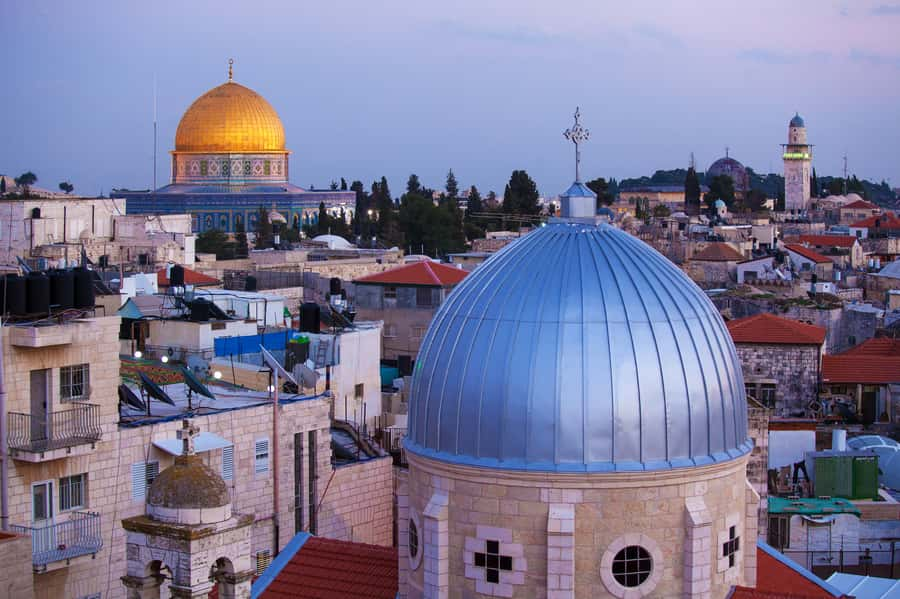
The walking route ends at the Church of the Holy Sepulchre, built on the site where Jesus is believed to have been crucified and buried. Inside the basilica, you see the traditional location of his burial tomb.
The church has been rebuilt, expanded, and renovated over the centuries. It is now a large, ornate place of worship shared by several Christian traditions. That long process of change is visible in the building itself, where different spaces and religious practices come together.
I would give this stop your full attention. The church can be visually overwhelming, and it is easy to focus only on the most famous points. Listen to the guide’s explanation of the site, then take a moment to notice the building’s scale, the devotional activity, and the way the many chapels and areas fit together.
This is also a place where a half-day tour has limits. You may not have time to explore every section at your own pace. If the Church of the Holy Sepulchre is your main reason for visiting Jerusalem, plan to return independently after the tour.
Finishing in the Old City markets

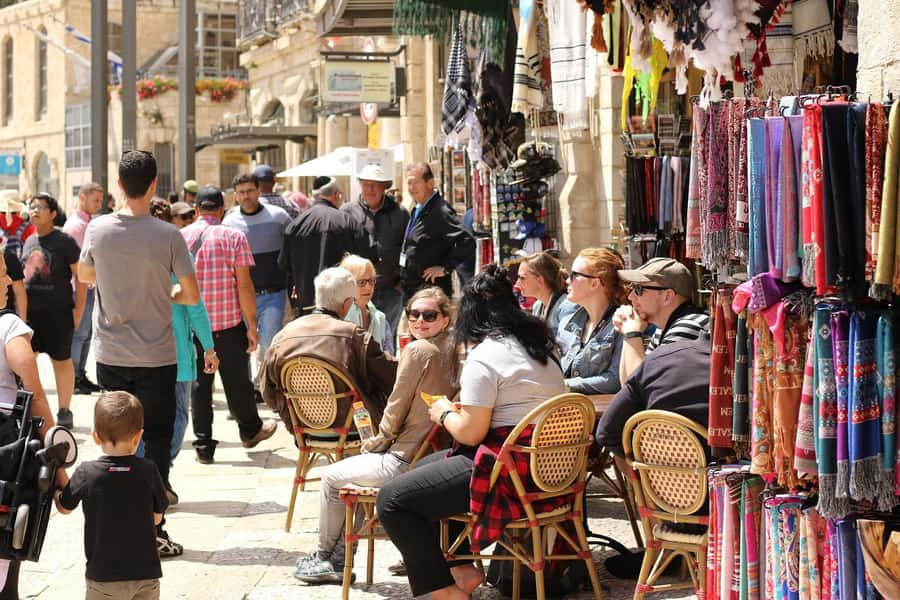
The final part of the experience takes you through the busy markets of the Old City. This is a practical ending because you can continue shopping, find food, or keep exploring after the formal tour finishes.
The markets sell souvenirs associated with Jerusalem, along with other goods found in the Old City. You might enjoy browsing for something small and distinctive, but prices and quality can vary. If you want to buy, compare items before committing and make sure you understand what you are purchasing.
The tour ends in the Old City at about 1:00 PM. Hotel drop-off is not included, so you should treat the ending as a handoff to the rest of your day rather than a return to your hotel. That is a drawback if you want a fully packaged door-to-door excursion, but it is a benefit if you want more time in Jerusalem.
You could use the afternoon for a slower return to a favorite site, more market time, or a meal. Food and drinks are not included, so plan to pay separately.
What $385 per person gets you
At $385 per person, this is an expensive half-day tour. The price may make sense if you value hotel pickup, an air-conditioned vehicle, an English-speaking professional guide, and a tightly planned route through several major sites.
The transport matters because Jerusalem’s viewpoints, valley roads, and Old City entrance are not all in the same setting. You avoid arranging separate transport to Mount Scopus and the Kidron Valley, then finding your way into the Old City on your own.
The guide is the most important part of the value. One French booking specifically praised the guide’s quality and the level of information, while another described the sites as incredible and praised the guide’s knowledge. A Portuguese booking also gave strong praise to the guide and called the experience excellent. No guide names are supplied, so you cannot request a particular person in advance based on the available information.
The price is harder to justify if you mainly want transportation or if you already know Jerusalem well. You also need to account for extra costs, since meals, drinks, insurance, and hotel drop-off are excluded.
Most important, confirm the timing. One booking described being asked to arrive at 7:50, then waiting until 9:30 for the tour to begin, with roughly three hours of sightseeing instead of five. That may have been a one-off scheduling problem, but it affects the value enough to ask about the actual pickup and start time before payment.
Who will get the most from this tour
I would consider this tour for a first visit when you want the major sights explained in one compact morning. It suits you best if you prefer a guide to provide context while you walk, rather than building a route and researching every religious and historic stop yourself.
It is also useful if your time in Jerusalem is short. The tour reaches Mount Scopus, the Kidron Valley, several Old City quarters, the Western Wall, the Via Dolorosa, the Church of the Holy Sepulchre, and the markets. You see a lot, even if some stops are brief.
You may want another option if you need a slow pace, substantial free time, or a tour focused on just one faith tradition. This route moves between Jewish and Christian sites and covers a wide area. It is a survey, not a private study visit.
Weather matters, too. One booking from February described heavy rain that made it difficult to appreciate the tour fully. Jerusalem’s outdoor viewpoints and walking streets are central to the program, so poor weather can affect the experience more than it would on an indoor museum visit.
Wear modest clothing from the start. That removes a common source of stress at religious sites. Bring comfortable shoes, and carry anything you need for several hours because food and drinks are not supplied.
Should you book the Holy Jerusalem Half-Day Tour?
Book it if you want a guided introduction to Jerusalem’s most important Jewish and Christian sites, especially if you have only one morning available. The route is well chosen: Mount Scopus gives you orientation, the Old City supplies the close-up experience, and the Western Wall and Church of the Holy Sepulchre provide the main religious focus.
I would hesitate at $385 if you expect five full hours of sightseeing, need hotel drop-off, or prefer to explore at your own pace. Before booking, confirm the precise pickup time and how much time will be spent actually visiting sites.
For a first look at Jerusalem with transport and an English-speaking guide, this can be a useful, information-heavy morning. Just approach it as an overview, then leave yourself time to return to the places that deserve a slower visit.
FAQ
How long does the tour last?
The stated duration is five hours. The tour ends in the Old City at approximately 1:00 PM.
Where does the tour meet?
The listed meeting point is the David Citadel Hotel at 7 King David Street, Jerusalem. Hotel pickup is included, so confirm the exact pickup arrangement and time when booking.
Which language is the tour conducted in?
The tour has a live English-speaking guide.
What sites are included?
The route includes Mount Scopus, the Garden of Gethsemane, the Church of All Nations, the Kidron Valley tombs, Zion Gate, the Armenian Quarter, the Byzantine Cardo, the Jewish Quarter, the Western Wall, the Via Dolorosa, the Church of the Holy Sepulchre, and the Old City markets.
What should I wear and bring?
Modest dress is required. Bring comfortable shoes for walking through the Old City.
Are meals, drinks, and hotel drop-off included?
No. Food and drinks, insurance, and hotel drop-off are not included.
Just added in Jerusalem
- Discover about Bethlehem, Jordan River and temptation monastery★ 5.0 · 22 reviews
- Private Day Tour: Jericho, Mount of Temptation, Hisham’s Palace and Bethlehem★ 5.0 · 28 reviews
- Private Day Tour: St. George’s Monastery, Wadi Qelt, Mar Saba, and Bethlehem★ 5.0 · 38 reviews
- Full-Day Bethlehem, Jericho, and Jordan River Tour★ 4.5 · 109 reviews
- Half Day Private Tour of Bethlehem★ 5.0 · 38 reviews
- Hebron and Bethlehem Private Tour★ 5.0 · 23 reviews
- Jericho and Bethlehem Private Tour★ 5.0 · 24 reviews
- Bethlehem & Dead Sea Day Tour from Jerusalem & Tel Aviv★ 4.5 · 40 reviews
Jerusalem & Bethlehem Tours, compared.
Masada and the Dead Sea Day Trip from Jerusalem
Read our review →
Day Tour to Jerusalem and Bethlehem from Tel Aviv
Read our review →
Browse the lists this tour appears in