
Reviewed · TOURS IN DOHA
From Doha: Culture & History Qatar Tour to the North & West
Al Zubarah Fort gives this day its strongest sense of purpose. You leave Doha’s modern skyline behind and reach Qatar’s old pearl-trading country, then continue through quiet coast, desert rock, abandoned buildings, and traditional architecture. I like the wide mix of places and the fact that the tour gives you a real look beyond the capital. I also like having a guide explain what you are seeing instead of simply stopping for photographs.
The main drawback is the distance. You spend a good part of the eight-hour day in the vehicle, and some stops are mainly scenic or photographic rather than long, formal visits. Still, for $63 per person, including transport, an English-speaking guide, and refreshments, this is a strong value if you want one full day devoted to Qatar’s culture and past.
Key points to know before booking
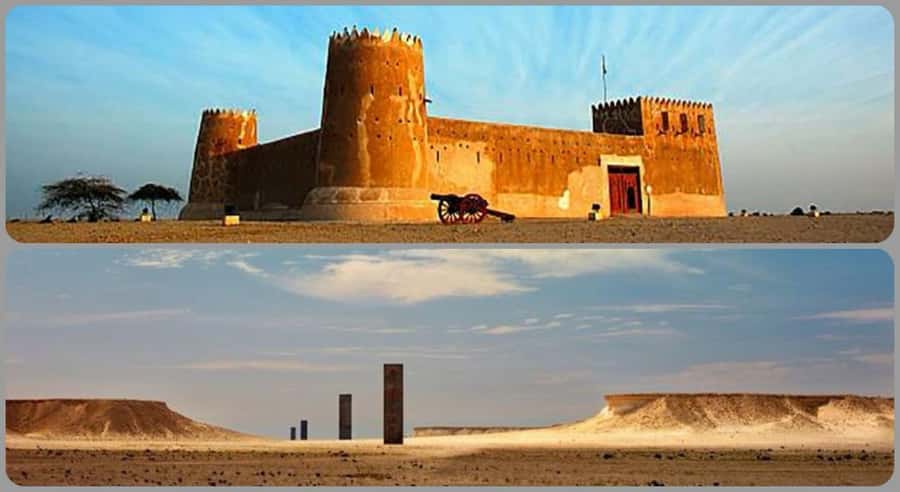
- Al Zubarah Fort is the day’s main historical stop: Visit a UNESCO World Heritage Site linked to Qatar’s pearl-trading era.
- The route covers very different scenery: Expect coast, mangroves, desert rock, an abandoned village, and open roads beyond Doha.
- Guiding makes a real difference: Guides including Hassan, Usman, Zia, Noor, and Ejaz are praised for clear explanations, patience, and flexibility.
- You get more than old buildings: The route includes Purple Island, Jumail, Zekreet, and the Al Shahaniya camel racetrack.
- The price includes the basics that matter: Pickup, drop-off, air-conditioned transport, refreshments, and an English-speaking guide are included.
- Plan for a full day out: The tour lasts eight hours, with several transfers between stops and a return to Doha at the end.
Leaving Doha for Qatar’s older side
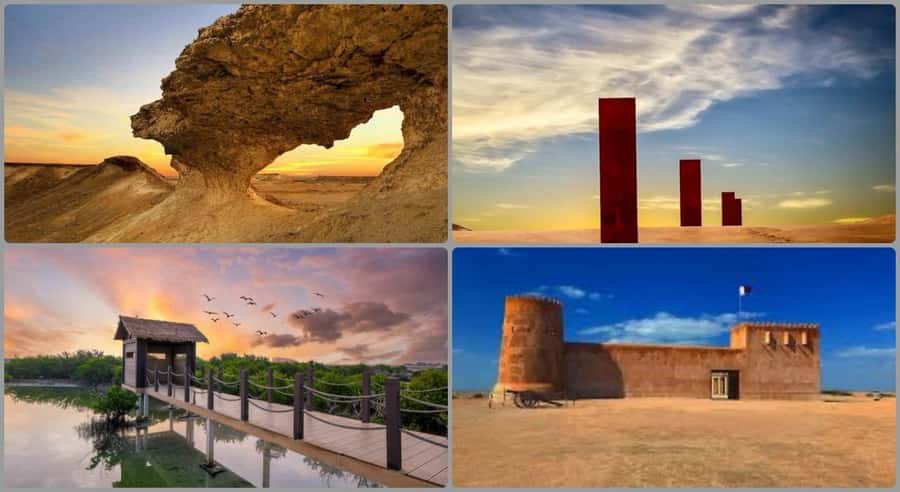
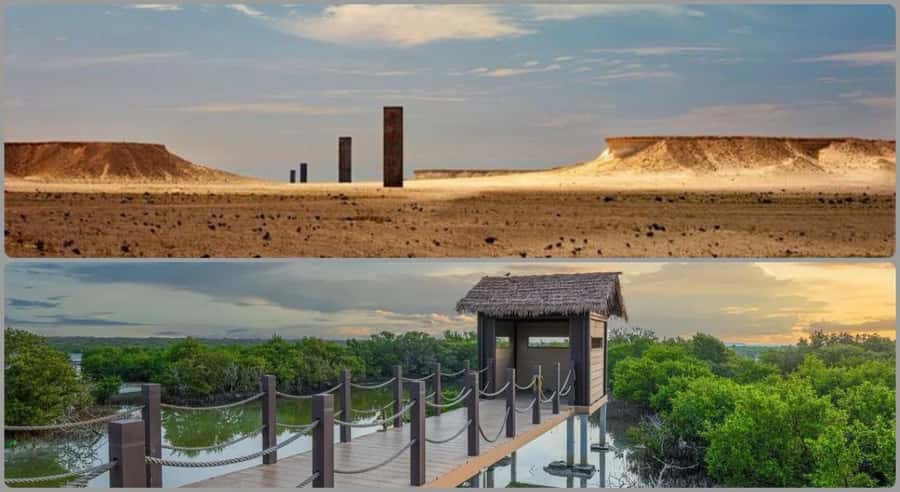
This tour works best as a first look at the country outside the capital. Doha can fill a visit with museums, towers, shopping, and polished public spaces, but the North and West route shows a quieter Qatar shaped by the sea, trade, animals, desert travel, and small settlements.
You are picked up in Doha and travel in an air-conditioned vehicle. The first transfer takes about 35 minutes, so the day begins with a comfortable ride rather than an immediate stop. Refreshments are included, but meals are not unless you add one when booking. I would bring water as well as a passport or ID card, both listed as important items for the day.
The exact rhythm depends on the guide and the group. Some stops offer a guided visit and time to walk, while others are short photo stops. This is useful to understand before booking: the tour is designed to show you many parts of Qatar in one day, not to give you several hours at one site.
A few more things to do in Doha worth a look
- Dubai Evening Heritage Safari by Vintage G Class Al Marmoom Oasis
★ 5.0 · 1,500 reviews - Dubai Camel Desert Safari, Traditional Meal & Heritage Activities
★ 5.0 · 937 reviews - Dubai: Heritage Safari in Vintage Land Rover with Dinner
★ 4.8 · 861 reviews
Purple Island and the northern coast
Purple Island is an early scenic stop, reached after the first transfer. You can expect views of the coast and surrounding natural areas, with time for photographs and sightseeing rather than a long structured activity.
The name is tied to the area’s traditional connection with purple dye production, though the supplied tour details do not promise a detailed archaeological visit there. Your guide can place the stop within Qatar’s older coastal economy and explain how the sea shaped settlement and trade.
I like beginning here because it changes your sense of Qatar quickly. Instead of seeing only the capital’s built-up setting, you get open views and a more natural setting. The drawback is simple: if you want a lengthy walk or a full nature excursion, this part may feel brief.
The itinerary then allows around 25 minutes to reach Al Zubarah Fort. That short transfer keeps the day moving and means you are not spending the morning on one isolated site.
Al Zubarah Fort and the pearl-trading past
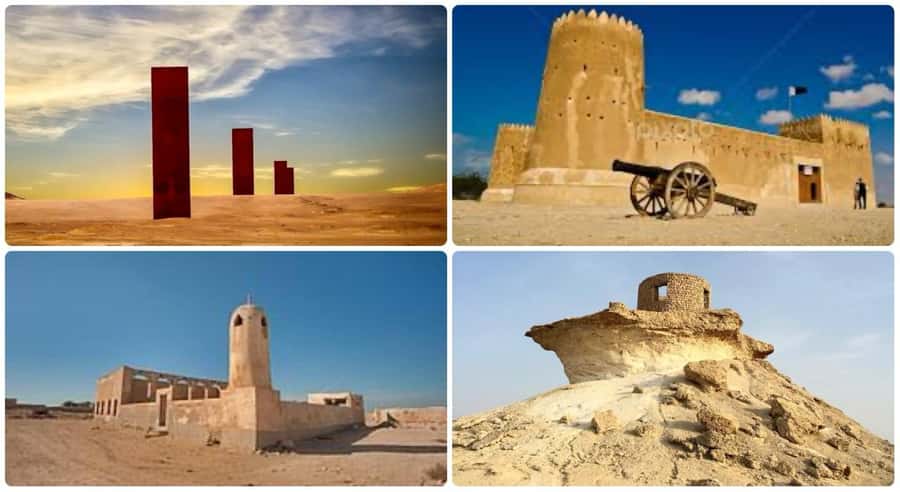
Al Zubarah Fort is the clearest historical anchor of the tour. The fort is a UNESCO World Heritage Site, and the visit includes a guided tour, sightseeing, walking, and scenic views. You also have time for photographs.
The wider Al Zubarah area recalls the period when coastal settlements depended on pearling, fishing, and trade. Qatar’s earlier economy was tied closely to the sea, and a fort in this setting helps you picture a time before Doha became the country’s dominant urban center.
I would pay close attention to the guide here. The fort itself is compact compared with a major European castle, so its value comes from the setting and the story. A good explanation turns walls and empty ground into evidence of trade routes, protection, and daily life.
Guides such as Hassan, Adil, Usman, and Noor have been singled out for bringing local history and culture into the stops. Usman, also referred to as Osman in one account, is especially praised for answering questions and allowing time for photographs. The quality of the commentary matters because the site can otherwise be appreciated in only a few minutes.
Wear comfortable shoes. The visit includes walking, and the day continues through several outdoor locations. Sun protection is also sensible, although the tour information does not specify how much shade is available at each stop.
Jumail, an abandoned village by the sea
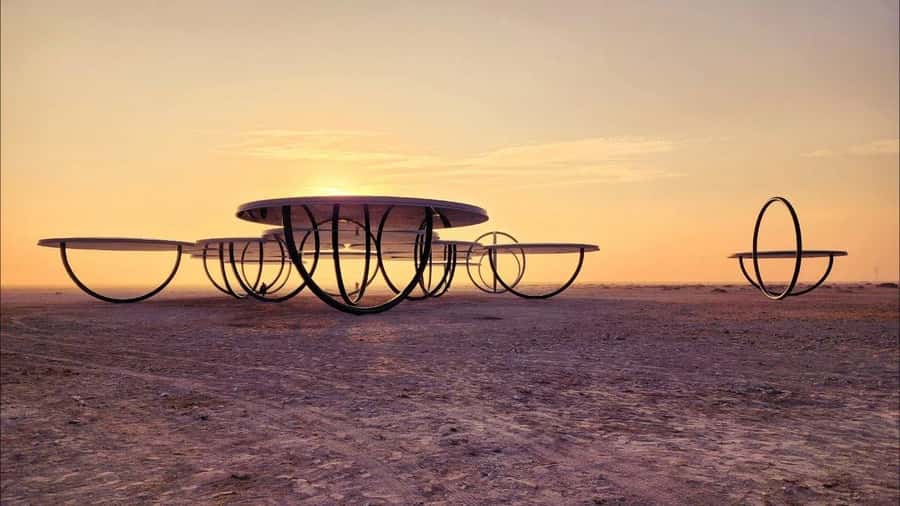
After Al Zubarah, the drive to Jumail takes about 10 minutes. That short transfer brings you to an abandoned village, where the emphasis shifts from a formal fort to the remains of everyday life.
Jumail offers a more intimate look at old Qatar. The empty structures and quiet setting can help you imagine a small coastal community before modern roads, new construction, and urban growth changed the rhythm of life. The visit includes a guided tour, free time, walking, sightseeing, and photographs.
This is one of the stops where a guide’s local knowledge is especially useful. You may see old walls, simple building remains, and the surrounding coast, but the details of why the village was used and later left are what give the stop meaning. Ask questions if you want more context, since the listed schedule allows free time as well as explanation.
The itinerary includes sunrise and sunset as possible activity labels, but it does not state that every departure takes place at either time. In practical terms, do not book this tour solely for a promised sunset at Jumail or any other stop. Treat those labels as possible viewing conditions rather than a fixed guarantee.
Same base, a different sort of day:
- Doha: Safari, ATV, Camels, Sandboarding and Inland Sea Tour
★ 4.8 · 5,291 reviews - Doha: ATV, Quad/Buggy Dune Bashing, Camel Ride, Sandboarding
★ 5.0 · 3,784 reviews - Desert safari, Dune bashing, sandboarding, camel, ATV Option
★ 5.0 · 2,826 reviews - Qatar Gold Dune Safari, Dune Bashing,Camel Ride,Sand Boarding,Inland Sea Desert
★ 5.0 · 2,807 reviews
Al Shahaniya Camel Racetrack
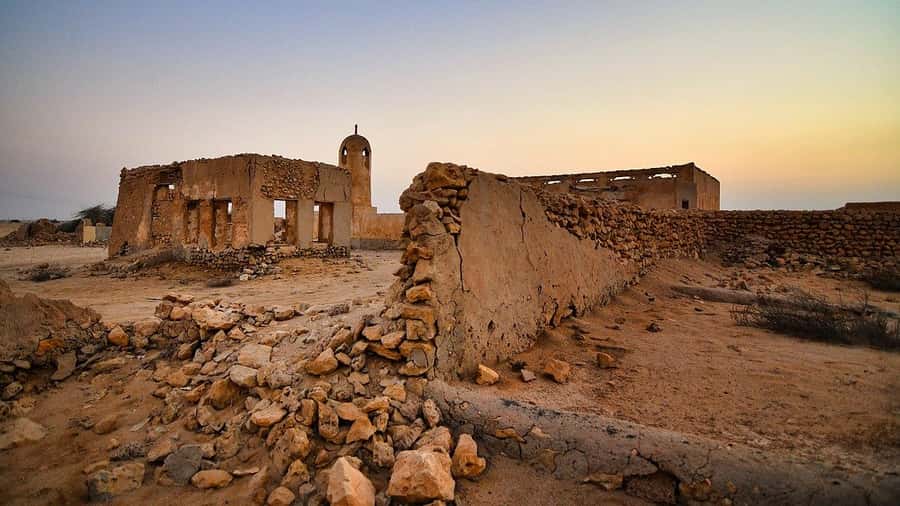
The next transfer takes about 30 minutes and brings you toward the Al Shahaniya Camel Racetrack. This stop adds a living cultural subject to a day otherwise focused on ruins, forts, and scenery.
Camel racing is linked to Gulf traditions and remains part of Qatar’s cultural identity. At Al Shahaniya, you have a photo stop and guided sightseeing, with the possibility of seeing the racetrack area as part of the route. The tour description does not guarantee a race, training session, or particular number of camels, so I would think of this as a cultural stop rather than a scheduled sporting event.
That distinction matters. If you expect a full race-day experience, you may be disappointed. If you want to understand one of the traditions that still appears in modern Qatar, the stop adds useful variety.
The day’s strongest feature is this change of subject. You move from pearling and old settlements to a sport connected with Bedouin culture. Guides can explain the tradition in a way that makes it more than another quick photograph.
Zekreet and the western desert
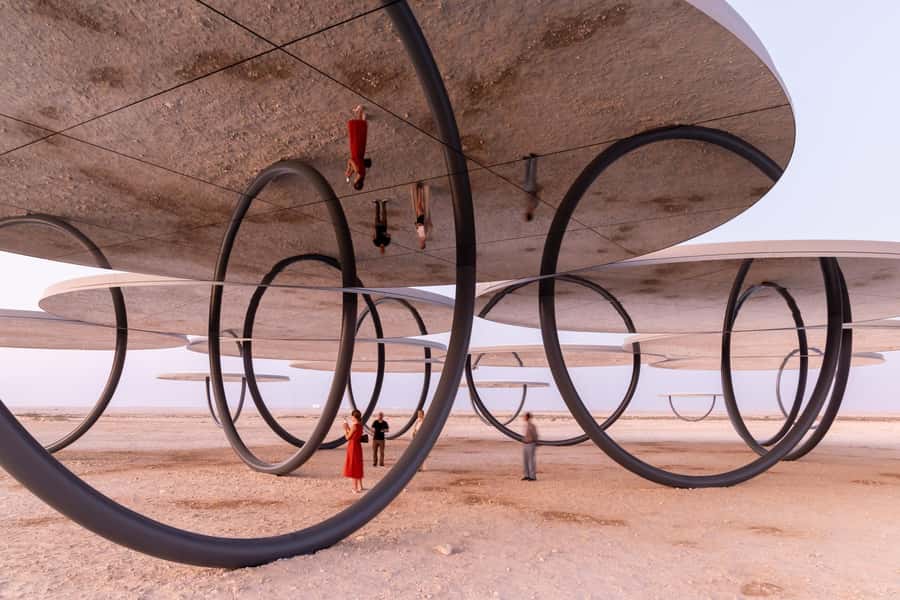
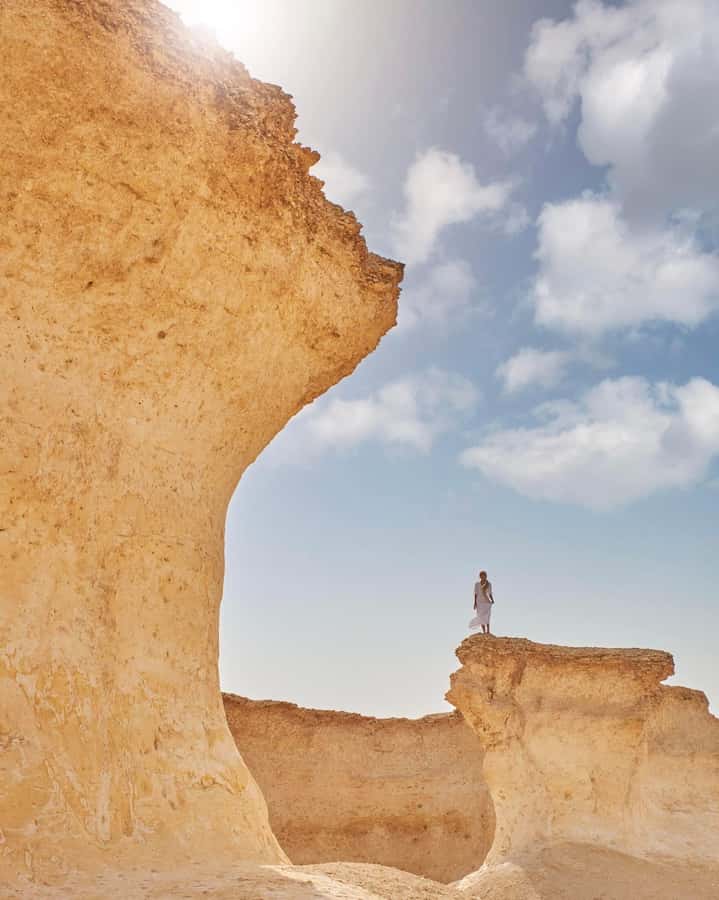
A 20-minute transfer takes you to Zekreet, one of the most visually distinctive parts of the day. Here the route turns west toward dramatic rock formations and open desert scenery.
Zekreet is listed as a stop for a break, photographs, a guided visit, walking, and sightseeing. Shopping is also included among the possible activities, and the wider stop sequence includes coffee, tea, and an arts and crafts market visit. The exact order of these activities is not spelled out, so your guide will determine how the time is arranged.
This is the place to slow down and look around. The rock formations give the western part of Qatar a more rugged feel than the northern coast, and the open setting makes a strong contrast with Doha. You can take photographs, stretch your legs, and listen to the guide without the pressure of a museum timetable.
The tour also includes a unique desert-settlement replica reflecting traditional Arabian architecture. The supplied details do not give the site a formal name or explain every building, but its purpose is to show how older architectural forms fit the desert setting. Coffee, tea, and arts and crafts make this section feel more cultural and social than the fort visit.
I would keep expectations sensible. Zekreet is not presented as a long hiking trip, and the tour does not promise a strenuous walk. It is better suited to short walks, views, photographs, and conversation with the guide.
The final cultural stops before Doha
After Zekreet, the route includes additional photo and sightseeing stops before the return journey. These may include the traditional architecture setting, coffee or tea, and an arts and crafts market. The itinerary does not name each of these later locations, so you should not book the tour expecting a particular museum, gallery, or named building.
That lack of detail is the one area where the program feels less precise. The major stops are clear, but the final sequence can be flexible. Flexibility can be helpful if you want more time for photographs, as guides such as Adil and Usman have been praised for adjusting the pace and answering questions without rushing.
The final transfer back to Doha takes about 45 minutes. After a full day outside the city, that ride gives you time to rest. The total duration is eight hours, which is long enough to cover a lot but short enough to fit into a wider Doha itinerary.
What the guide adds to the day
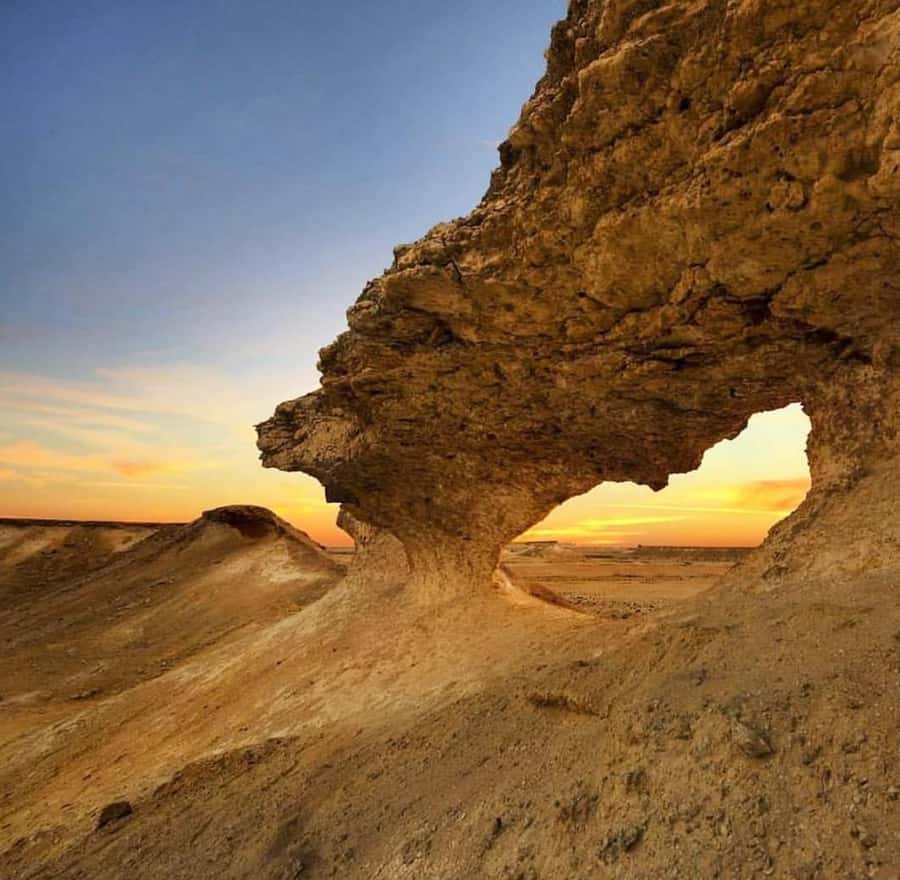
The guide is not a minor extra on this tour. Much of what you see consists of forts, ruins, rock formations, and broad views. Without context, several stops could blur together.
The experience is offered in English. Guides named in the supplied information include Hassan, Ejaz, Adil, Us Maan, Usman, Zia Khan, Osman, Zohaib, and Noor. I would not assume you can request a particular person unless the operator confirms it, but these names give you an idea of the guiding team associated with the experience.
The strongest guide qualities are practical ones: patience, local explanations, help with photographs, and a willingness to adjust the pace. Hassan is praised for bringing places to life with local stories. Ejaz is described as kind and professional, while Zia is remembered for a good music playlist as well as a pleasant day on the road. Those details suggest that the long transfers can feel relaxed rather than purely functional.
You should also ask questions. The tour covers culture, history, traditions, architecture, coastal life, and desert settings. A few well-chosen questions can turn a quick stop into a much more useful lesson.
Is $63 good value?
At $63 per person, the tour offers good value if you want transport and interpretation bundled into one day. Pickup and drop-off from Doha, an air-conditioned vehicle, an English-speaking guide, and refreshments are included. You also avoid arranging separate transport to several distant parts of Qatar.
Meals are not included unless you select the add-on. That is the main cost detail to remember. The tour information does not provide a meal schedule, so confirm the add-on if you prefer not to arrange food separately.
A private group is available, which may suit families or small parties that want more control over the pace. The standard format is still useful for people who prefer a set route and do not want to plan every transfer themselves.
The value is strongest for a first visit. You see enough of the country to understand its variety: coast, old trade, village remains, camel culture, desert rock, and traditional design. If you have already visited Al Zubarah and Zekreet separately, the day may feel less essential.
Who should book this North and West Qatar tour?
I would choose this experience if you want a broad introduction to Qatar beyond Doha. It suits first-time visitors, culture-focused families, photographers, and anyone with only one free day for the country’s northern and western sights.
It also works well if you value explanation over independent wandering. The stops are spread out, and the transport removes the need to organize a long route yourself. The day has enough variety to keep it interesting, even when one site is quieter than expected.
I would think twice if you want a slow archaeological visit, a guaranteed camel race, or a long desert hike. The schedule is full, and some locations are short photo stops. The tour gives you range rather than deep time at every place.
Should you book it?
Book it if you want to understand Qatar through places that are far less polished than the capital: a UNESCO-listed fort, a deserted village, a camel racetrack, coastal views, and Zekreet’s unusual rock formations. At $63, the included transport and guide make the route especially practical.
Before booking, decide if eight hours on the road suits your style and remember that meals are extra. If it does, this is a useful, well-priced way to see Qatar’s older and quieter side, with the guide’s stories filling in the gaps between the photographs.
FAQ
How long does the tour last?
The tour lasts eight hours, including transfers between Doha and the northern and western stops.
What is included in the price?
Pickup and drop-off by air-conditioned vehicle, an English-speaking tour guide, and refreshments are included.
Are meals included?
Meals are not included unless you select the available add-on.
What language is the tour offered in?
The live tour guide is English-speaking, and English is the listed tour language.
Is pickup and drop-off available in Doha?
Yes. The experience includes pickup from Doha and drop-off back in Doha.
What should I bring?
Bring your passport or ID card. Comfortable clothing and shoes are also sensible for the walking and outdoor sightseeing portions of the day.
Just added in Doha
- Private Full-Day Desert Tour★ 4.8 · 25 reviews
- From Doha: Inland Sea Desert Safari with All Activities★ 5.0 · 29 reviews
- From Doha: Sunrise or Sunset Safari with Sand Boarding★ 4.9 · 153 reviews
- Private Half-Day Desert Safari Tour+Camel Ride★ 4.5 · 22 reviews
- Explore Zekreet: Richard Serra Art & Mushroom Rock Wonders★ 4.9 · 55 reviews
- Doha:Sunrise or Sunset Desert Safari Tour with Sand Boarding★ 5.0 · 233 reviews
- Doha:ATV,Quad or Buggy Dune Bashing,CamelRide & Sandboarding★ 4.9 · 69 reviews
- Doha: West Coast Qatar Tour, Sculptures, Camel Racing track★ 5.0 · 111 reviews
Tours in Doha, compared.

Safari, ATV, Camels, Sandboarding and Inland Sea Tour
Read our review →
Desert safari, Dune bashing, sandboarding, camel, ATV Option
Read our review →
Qatar Gold Dune Safari, Dune Bashing,Camel Ride,Sand Boarding,Inland Sea Desert
Read our review →
Half Day Desert Safari | Camel Riding | ATV | Sand Surfing
Read our review →
Guided City Tour with Airport and Hotel Pickup
Read our review →
ATV,Quad or Buggy Dune Bashing,CamelRide & Sandboarding
Read our review →

Safari, Camel Ride, Sandboarding and Inland Sea Tour
Read our review →Browse the lists this tour appears in